Aqualume logo featuring a water droplet design with radiating lines, symbolizing sustainable water solutions and bottleless water coolers for commercial spaces.

Saving Money and Reducing Your Carbon Footprint

Energy Efficient Water Coolers California: How to Save Money and Reduce Your Carbon Footprint

Energy efficient water coolers deliver visible cost savings and measurable carbon reductions for UK workplaces by cutting electricity use, eliminating bottled logistics and improving water management. This article explains what makes a low energy water cooler efficient, how mains-fed and bottleless water dispensers reduce single-use plastic and transport emissions, and how businesses can calculate water cooler ROI UK to guide procurement. Many offices face rising energy and waste disposal costs while trying to meet Net Zero commitments; switching to eco friendly water coolers offers a practical, near-term intervention that addresses both expenses and emissions. You will get technical comparisons (direct chill vs reservoir), quantified examples for small, medium and large offices, and practical steps for monitoring and staff engagement. The guide maps key features of sustainable office water solutions UK, shows how smart water meters support savings, and highlights supplier options for installation and consultation. Read on for clear definitions, numeric examples, and decision tools to help your workplace adopt low energy consumption water dispensers that align with 2025 UK sustainability expectations.

What Are Energy Efficient Water Coolers and How Do They Save Money?

Energy efficient water coolers are office hydration solutions designed to deliver chilled and/or hot water while minimising electricity consumption through targeted technologies such as direct chill, improved insulation and eco modes. These systems reduce operational kWh by avoiding constant reheating or inefficient refrigeration, which translates directly into lower electricity bills and smaller scope 2 emissions for businesses. By selecting a low energy water cooler with efficient components—compressor, thermostat control and sensor dispensing—organisations lower ongoing costs and shorten payback periods. Understanding the technologies behind savings is the first step to estimating annual kWh reductions and expected financial return, which we will quantify in the following subsections.

Which technologies make water coolers energy efficient?

Energy-saving technologies in water dispensers include direct chill refrigeration, insulated reservoirs, low-power compressors and programmable eco or sleep modes that reduce runtime when unused. Direct chill systems cool water on demand, avoiding the standby losses of reservoir tanks, while good insulation and thermostatic control cut cycling and compressor start-ups. Sensor-activated dispensing and timed sleep modes further reduce idle energy by disabling chilling or heating during out-of-hours periods. Comparing these meronyms—filtration system, direct chill unit, reservoir tank, power-saving mode and compressor—clarifies how each component contributes to lower annual kWh consumption and operational cost.

How do energy efficient water coolers reduce electricity bills?

Energy-efficient coolers reduce bills by lowering annual kWh usage; the basic calculation is simple: annual kWh × unit electricity rate = annual cost. For example, if a conventional reservoir cooler uses 700 kWh/year and a direct chill model uses 350 kWh/year, at a UK rate of £0.30/kWh the saving is (350 kWh × £0.30) = £105/year. Small offices with light use and a direct chill bottleless dispenser may see even greater proportional savings when factoring reduced delivery vehicle emissions and waste handling. These calculations form the basis for water cooler ROI UK decisions and inform whether to prioritise upfront efficiency or ongoing operational savings.

What is the role of Energy Star certification in water coolers?

Certifications such as Energy Star (or recognised UK/EU equivalents) indicate that a water dispenser has passed independent efficiency benchmarks and performs to a validated energy standard. While Energy Star originates in the US, similar labelling and declared energy performance in specifications help procurement teams compare models objectively in the UK market. When evaluating specs, look for measured annual kWh, standby power and eco-mode features listed by manufacturers to verify advertised efficiency. Certification and clear data reduce procurement risk and make it easier to include appliance efficiency in organisational carbon accounting.

How Do Mains-Fed Water Coolers Help Reduce Your Carbon Footprint?

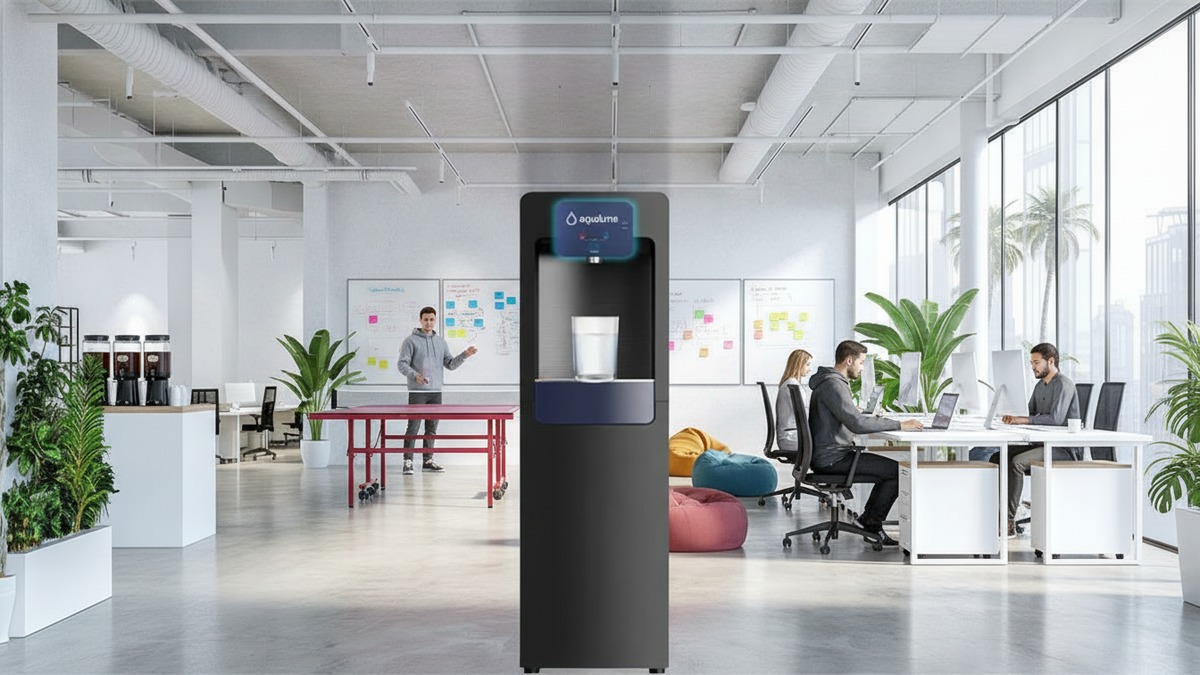
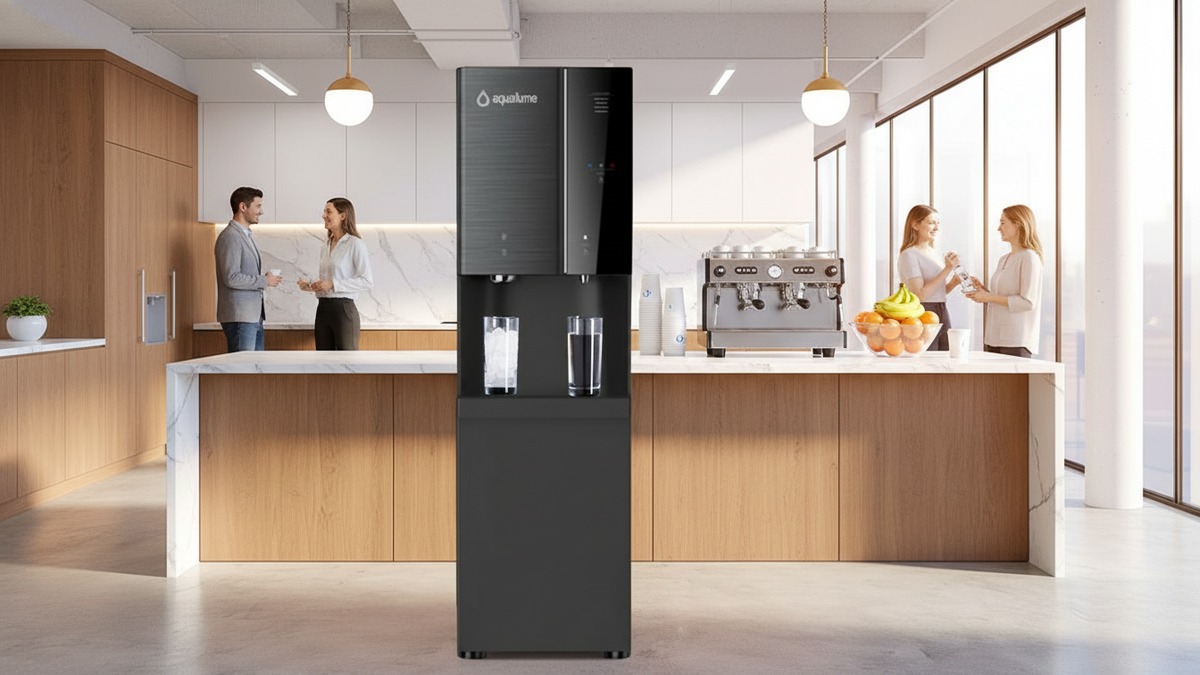
Mains-fed water cooler in an office reducing carbon footprint and single-use plastics

Mains-fed water coolers, also called bottleless water dispensers, connect directly to the building water supply and therefore remove the need for heavy, single-use water bottles and regular delivery logistics. This operational difference eliminates production of large plastic bottles, reduces delivery vehicle miles and cuts packaging waste, which together lower scope 3 emissions associated with office hydration. The lifecycle advantages include fewer manufacturing touchpoints and reduced transport emissions from supplier depot to site, which scales with office size and consumption. Next we quantify these environmental benefits and outline the UK regulatory context that encourages mains-fed adoption.

What are the environmental benefits of mains-fed water coolers?

Mains-fed systems reduce plastic waste, transport emissions and packaging impacts by supplying filtered tap water on demand without bottles or crate handling. For a small office using 1,500 litres/year, replacing bottled water can avoid hundreds of single-use plastic bottles and several delivery trips annually, reducing embodied emissions in manufacturing and logistics. The reduction in cumulative plastic and transport emissions contributes directly to a firm’s sustainability targets and supports municipal waste reduction goals. Quantifying these benefits helps procurement teams justify bottleless systems as part of wider office sustainability measures.

How do mains-fed systems eliminate single-use plastic bottles?

Mains-fed dispensers remove the supply chain stages specific to bottled systems—bottle manufacture, filling, palletised distribution and last-mile delivery—so the lifecycle emissions from those stages vanish for each litre supplied on-site. Operationally, this means no bottle storage, fewer waste collections and lower labour for handling and recycling, simplifying facilities management. Eliminating bottles also reduces the frequency of supplier deliveries, which in turn reduces vehicle kilometres travelled and associated diesel emissions in the local area. Understanding these supply-chain removals makes it easier to model annual kg CO2e reductions for business reporting.

What UK regulations support mains-fed water cooler adoption?

UK policy drivers—such as national Net Zero commitments and increased emphasis on reducing single-use plastics—create an environment where businesses are encouraged to cut scope 3 emissions and waste. Smart meter rollouts and energy reporting frameworks through the mid-2020s also encourage precise measurement of utility consumption, making the benefits of bottleless and low energy dispensers easier to demonstrate. Procurement criteria that favour lower lifecycle emissions and reduced waste management costs align with BREEAM and corporate net-zero procurement policies, which in turn influence vendor selection and investment decisions. These regulatory trends make mains-fed options a strategic, compliant choice for forward-looking businesses.

Why Choose Bottleless Water Dispensers for Eco-Friendly Office Hydration?

Bottleless water dispensers offer a plastic-free water cooler UK solution that pairs filtration with direct mains supply to deliver great-tasting water without the waste of bottled systems. Beyond reducing single-use plastics, bottleless systems often include advanced filtration—carbon, UV or multi-stage setups—that remove taste and odour issues while retaining essential minerals. The result is a sustainable office hydration solution that supports employee wellbeing and reduces the administrative burden of bottle handling. The following subsections quantify plastic avoidance, outline filtration options and connect hydration with productivity benefits.

How do bottleless dispensers reduce plastic pollution?

By replacing bottled deliveries, bottleless dispensers avoid the manufacture and disposal of large plastic containers, meaning fewer tonnes of plastic entering the waste stream and less demand on recycling systems. For example, a medium office serving 3,000 litres/year could avoid several thousand single-use bottles annually, reducing waste collection frequency and landfill pressure. This change supports circular economy objectives by cutting primary plastic demand and reducing the footprint associated with bottle production and disposal. Facilities teams can track reductions to demonstrate progress towards plastic reduction targets.

What filtration technologies ensure clean and great-tasting water?

Common filtration options include activated carbon for chlorine and taste removal, reverse osmosis for broad contaminant reduction, UV purification for microbial control, and multi-stage cartridges combining these methods for comprehensive treatment. Each technology has trade-offs: carbon is low-maintenance and preserves minerals, RO offers high purity but can waste water and remove beneficial minerals, and UV is effective against pathogens but does not remove chemicals. Maintenance intervals and filter replacement costs vary by technology and influence total cost of ownership, so procurement should match filtration choice to local water quality and taste preferences.

How do bottleless systems improve employee health and productivity?

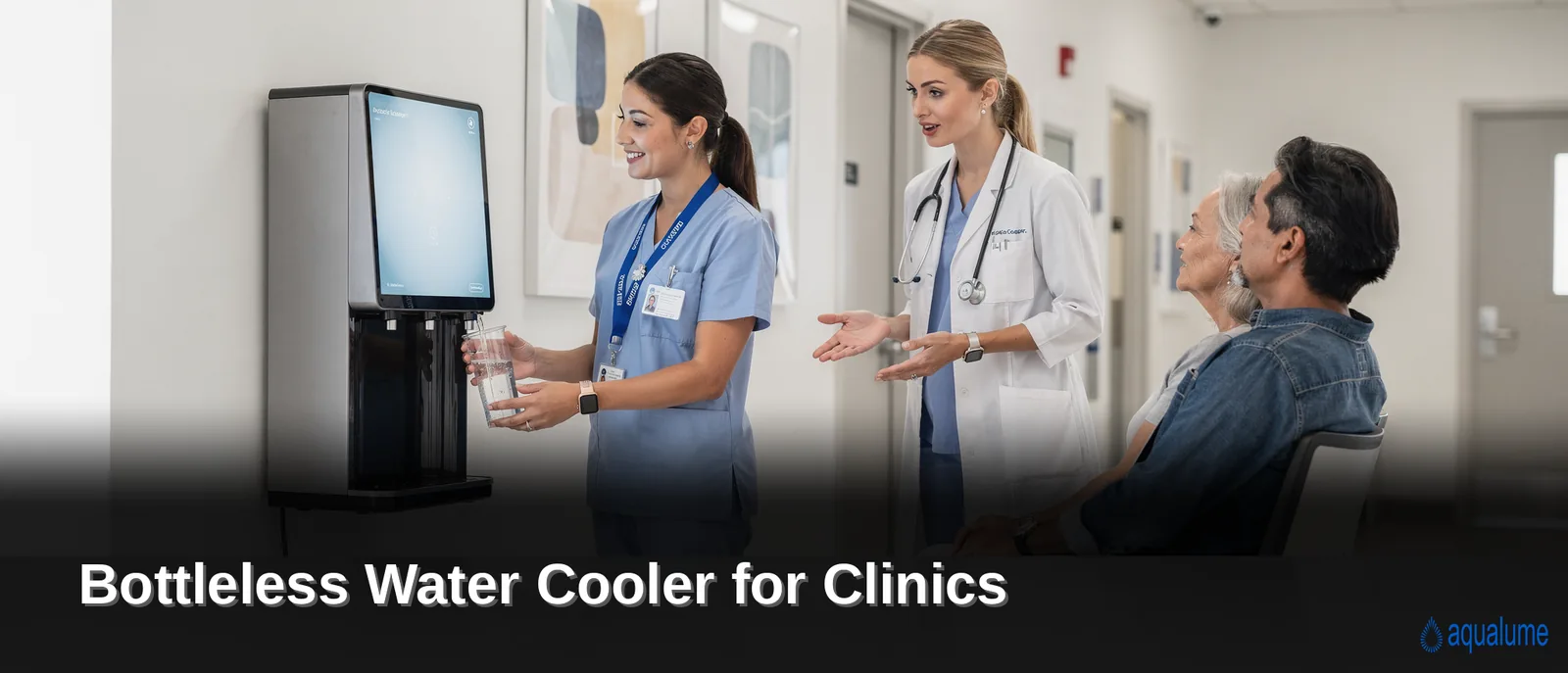
Employees using a bottleless water dispenser to enhance hydration and productivity

Easy access to filtered mains water encourages regular hydration, which supports cognitive function, concentration and short-term memory during the working day. Studies show that small improvements in hydration correlate with better alertness and fewer fatigue-related errors, translating into modest productivity gains for teams. Placing dispensers in communal areas and pairing them with simple workplace nudges—signage, cups or reusable bottles—increases uptake. Framing hydration as part of a wellbeing programme helps embed sustainable use and connect water provision to employee health objectives.

What Are the Cost Savings of Using Low Energy Water Dispensers in UK Offices?

Low energy water dispensers cut costs through reduced electricity consumption, lower water procurement and decreased waste-handling overheads compared with bottled alternatives. Calculating savings involves converting annual kWh reductions to £ using current UK unit rates, and accounting for avoided bottle purchase and delivery fees. Typical payback periods depend on model efficiency, usage profile and whether the unit is purchased or rented; a worked ROI example below illustrates common outcomes for UK offices. We also provide a practical EAV comparison to make supplier selection clearer.

Before the comparison table, here is what the table shows: annual energy and cost attributes across three dispenser types to aid procurement decisions.

Model TypeTypical Annual Energy (kWh)Estimated Annual £ Saving vs Bottled
Bottled cooler (bottle deliveries)150 – 300£0 – £50 (energy lower but delivery costs add)
Mains-fed direct chill300 – 450£60 – £150 (lower energy per litre + no delivery)
Mains-fed efficient (eco mode + direct chill)150 – 300£120 – £300 (best operational efficiency)

This entity-attribute-value comparison highlights that efficient mains-fed direct chill models typically offer the strongest combined energy and operational savings in UK offices.

How much can businesses save on water and energy bills?

Savings vary by office size and usage; a small office (10 people) might use 1,200–1,800 litres/year while a large office (100+ people) uses significantly more, so per-litre savings scale up with consumption. Using a conservative energy example, switching from a high-loss reservoir cooler to an efficient mains-fed model can save 200–350 kWh/year, equating to £60–£105 at current UK rates, plus avoided bottle delivery costs that often exceed £200 annually for medium offices. When water tariffs, reduced waste charges and lower staff time for bottle handling are included, total annual savings grow substantially. Understanding these components helps produce an accurate water cooler ROI UK.

What is the typical return on investment for energy efficient coolers?

ROI depends on upfront cost, operational savings and maintenance; a mid-range efficient mains-fed unit with modest installation may pay back in 1–3 years for medium offices when delivery and waste savings are included. The ROI formula is simple: (Annual Savings ÷ Upfront Cost) gives payback years; sensitivity to energy price or heavy usage can shorten payback considerably. Include filter replacement and service contracts in lifetime cost estimates to produce realistic total cost of ownership projections. Sensitivity analysis—varying energy price and usage—helps procurement choose between higher-efficiency purchase or a rental model that spreads costs.

Should you rent or purchase an energy efficient water cooler?

Choosing rent versus purchase depends on cashflow, service needs and lifecycle planning: renting spreads upfront cost, often includes maintenance and filter changes, and suits businesses wanting low operational hassle. Purchasing can be more economical long-term if the business has the budget and maintenance capability, and it allows full control over lifecycle emissions accounting. Consider a decision checklist weighing upfront cost, included services, warranty terms and projected ROI to choose the best procurement route for your organisation. Some suppliers offer flexible rental and purchase packages that can be matched to the business case you build.

How Can Businesses Further Reduce Water Consumption and Carbon Footprint?

Beyond swapping dispensers, businesses can deploy complementary water-saving devices, monitor usage with smart water meters and engage staff to reduce unnecessary consumption. Combining low-flow fittings, aerators and efficient sanitary fixtures with bottleless dispensers multiplies savings and lowers the organisation’s water-related carbon footprint. Smart metering provides data to detect leaks and profile usage, enabling targeted interventions that reduce both water and associated energy use. The next subsections outline device options, smart monitoring benefits and employee engagement tactics that together create a robust water conservation programme.

What water-saving devices complement water coolers in offices?

Devices such as low-flow taps, aerators, automatic sensors, efficient toilets and point-of-use hot water systems reduce baseline water consumption and improve fixture efficiency. Installing aerators on kitchen taps can halve flow rates while maintaining user experience, and timed or sensor taps limit unnecessary run-on. Each device yields estimated savings (e.g., aerators save litres per minute per tap) that aggregate across buildings to material reductions in water and heating energy. Integration considerations include plumbing compatibility and maintenance requirements, which facilities teams should plan for during rollout.

How can smart water meters help monitor and reduce usage?

Smart water meters deliver near-real-time data on flow, anomalous spikes and cumulative consumption, enabling early leak detection and behavioural interventions. Alerts for sudden changes can prevent long-running leaks, and consumption dashboards help identify high-use zones or times for focused action. Meter data integrates with energy reporting to quantify combined water-energy-carbon savings from interventions like efficient coolers and fixtures. Using meter insights to set targets and measure progress creates a feedback loop that sustains improvements across the organisation.

How to engage employees in sustainable water use?

Employee engagement relies on clear communication, visible nudges and simple incentives to shift behaviour toward responsible water use and uptake of bottleless systems. Practical tactics include signage explaining environmental benefits, wellbeing campaigns linking hydration to productivity, and champions who model sustainable choices. Measure engagement impact through before-and-after usage data and short surveys to refine approaches. Aligning water initiatives with corporate sustainability goals and wellbeing programmes increases buy-in and helps make changes permanent.

What Are the Key Features of Eco-Friendly Water Coolers for UK Businesses?

Eco-friendly water coolers combine energy-efficiency features, effective filtration and design choices that suit office sustainability goals while minimising lifecycle impacts. Key features to evaluate include direct chill technology, sleep/eco modes, efficient compressors, sensor dispensing and low-waste filtration cartridges. Mapping each feature to environmental and cost impacts helps procurement teams compare models quantitatively and select units aligned to corporate net-zero pathways. The feature-to-impact table below clarifies how specific attributes influence energy use, waste and maintenance.

The table below maps common eco features to their primary impact and typical value for UK buyers.

FeatureImpactTypical Value
Direct chillLowers standby losses20–50% energy reduction vs reservoir
Eco/sleep modeReduces out-of-hours power10–30% energy saving
High-efficiency compressorImproves cooling COP5–15% runtime reduction
Sensor dispensingReduces unnecessary flowLowers waste and spillages
Carbon/UV filtrationImproves taste and safetyReduces bottled water demand

Which energy efficiency features lower environmental impact?

Features such as programmable sleep modes, direct chill refrigeration and efficient compressors reduce operating hours and cycle frequency, directly decreasing energy consumption and associated emissions. Sensor-activated dispensing cuts waste from accidental run-on and encourages measured use, while good insulation reduces heat exchange losses in any small reservoir present. Quantitatively, combining direct chill with an eco mode can reduce annual consumption by 20–50% depending on baseline usage, showing how feature selection drives environmental outcomes. These trade-offs and maintenance needs should inform procurement choices.

How do water coolers contribute to carbon footprint reduction?

Water coolers reduce operational (scope 2) emissions by lowering electricity demand and cut supply-chain (scope 3) emissions when bottleless models eliminate manufactured bottles and delivery miles. Illustrative savings for a medium office switching to an efficient mains-fed dispenser might equate to hundreds of kg CO2e saved annually when bottle production and transport are included. Reporting these savings within corporate carbon inventories requires clear boundaries—operational electricity vs avoided upstream emissions—and consistent measurement. Transparent metrics help demonstrate contribution to organisational Net Zero commitments.

What models and designs best suit office sustainability goals?

Model choice depends on office size, space and sustainability priorities: freestanding units suit high-capacity communal areas, countertop models work for small kitchens or breakout areas, and undercounter taps integrate with existing plumbing for a discreet solution. Consider serviceability, filter change intervals and the availability of eco modes when matching models to usage patterns. Lifecycle expectations—durability, parts availability and energy specs—should influence selection to ensure long-term sustainability benefits. Facilities managers should match the model type with both space constraints and carbon-reduction goals.

How Does Switching to Energy Efficient Water Coolers Align with UK Sustainability Goals?

Switching to energy efficient and mains-fed water coolers supports UK sustainability goals by reducing operational energy and supply-chain emissions at the business level, contributing to broader Net Zero pathways. Procurement of efficient appliances, paired with smart meters and reporting, enables measurable reductions that aggregate across sectors to meaningful national impacts. Recent policy emphasis on measuring and reducing scope 3 emissions and phasing down single-use plastics reinforces the business case for bottleless, low energy dispensers. The following subsection summarises relevant targets and practical business actions that align with these objectives.

What is the UK water industry's net zero emissions target?

The UK water industry and government set progressive Net Zero targets across regions with interim milestones through the 2020s and 2030s to reduce operational and supply-chain emissions; businesses play a supporting role by reducing demand and choosing lower-carbon equipment. These targets influence suppliers to decarbonise logistics and production, and they create incentives for purchasers to prefer mains-fed and efficient equipment. Aligning procurement with these timelines helps businesses demonstrate contribution to sectoral decarbonisation and prepares them for tightening reporting expectations. Making appliance-level choices today helps firms meet evolving regulatory and stakeholder standards.

How can businesses support the UK’s carbon reduction commitments?

Businesses can support national commitments by integrating energy-efficient water dispensers into procurement policies, installing smart water meters to measure impact, and reporting reductions in corporate sustainability disclosures. Practical steps include setting supplier criteria for lifecycle emissions, tracking annual kWh and kg CO2e savings from equipment changes, and engaging employees to sustain lower consumption. These actions create measurable evidence that contributes to company-level targets and to the broader UK effort to reduce water-related emissions. Procurement that favours low energy consumption and bottleless designs aligns operations with national goals.

What recent UK statistics highlight the impact of water use on emissions?

Recent analyses show that water supply and wastewater treatment contribute a measurable share of national emissions, and that reductions in demand and transport can deliver significant kg CO2e savings when scaled across organisations. For businesses, shifting from bottled to mains-fed hydration and improving appliance efficiency are high-leverage interventions because they cut both direct energy use and upstream emissions from bottle manufacture and delivery. Tracking these statistics alongside company-level data enables robust reporting and supports strategic investment in sustainable office infrastructure. As suppliers and customers increasingly prioritise low-carbon options, choosing efficient water coolers becomes both an operational and reputational advantage.

Aqualume and other specialist suppliers can provide model specifications, rental or purchase options and ROI assessments to support UK businesses seeking to install energy-efficient, bottleless mains-fed systems; requesting a technical quote and an estimated ROI assessment from an expert supplier is a practical next step for procurement teams preparing a business case.

Share this :

Understanding the Average Monthly Cost of Bottleless Water Cooler Services for Your Business

Understanding the Average Monthly Cost of Bottleless Water Cooler Services for Your Business Clean, readily available water matters for employee health and productivity. Bottleless water cooler services remove the hassle of heavy bottles and deliver filtered, great-tasting water straight from your building’s supply. Below we explain typical monthly costs, the factors that drive pricing, and the practical benefits for businesses — so you can weigh options and choose what’s right for your workplace. We cover

Read More »
Generated image

Best Water Cooler for Office in Orange County: The Strategic B2B Guide

The Strategic Imperative: Optimal Hydration as a Catalyst for Orange County Business Success In the high-stakes, competitive business landscape of Southern California, operational efficiency is paramount. Every element of the office environment, from ergonomic seating to lighting, is scrutinized for its impact on employee performance. However, one critical utility often escapes this strategic review: the office water supply. Finding the Best Water Cooler for Office in Orange County is not merely about providing a beverage;

Read More »