Discover the Benefits of Water Cooler Rental for Your Office

Renting office water coolers in California means partnering with a provider to bring clean, refreshing drinking water right to your workplace. Whether you choose a plumbed, bottleless system or a traditional bottled cooler, you’ll be meeting your team’s hydration needs affordably and legally. This guide dives into your options, how pricing works, your duties under California Labor Code Section 2441, and the health and environmental perks. Many California businesses juggle the need for great drinking water, eco-friendly practices, and steady budgets. Rental plans are a smart way to cut upfront costs, guarantee top-notch maintenance, and simplify legal compliance. We’ll walk you through the best rental choices for offices, break down typical costs and what to look for in quotes, outline how to pick a provider and what service to expect, and summarize your legal obligations. You’ll find helpful checklists, comparison charts, and clear advice on choosing between bottleless and bottled coolers, plus insights into reverse osmosis (RO) and UV filtration for your office.
Top Water Cooler Rental Choices for California Businesses
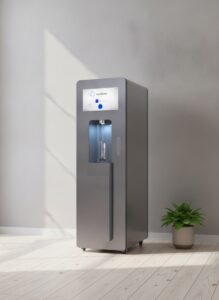
The best rental option ensures your team always has access to fresh, filtered water, with reliable servicing and minimal hassle. Bottleless (point-of-use) coolers connect directly to your water line, using filters or RO membranes to deliver purified hot and cold water—a great choice for reducing plastic waste and ensuring a constant supply. Bottled coolers use delivered water jugs, requiring storage and regular swaps, but they bypass plumbing needs. Whether you prefer a compact countertop unit or a full-sized freestanding dispenser, we’ll help you decide. Below, you’ll find a quick comparison of common cooler types to guide your vendor discussions. Following this, we’ll explore availability, environmental impacts, and filtration technologies.
What Kinds of Water Coolers Can You Rent for Your Office?

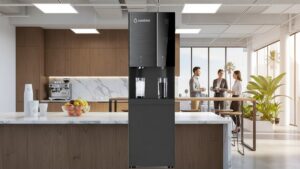
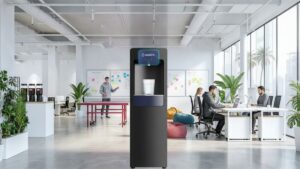
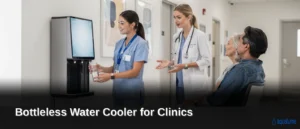
Office water cooler rentals include bottleless point-of-use dispensers, larger bottled water stations, compact countertop units, and sleek freestanding models offering both hot and cold water. Bottleless systems typically feature advanced filters, carbon filters, or reverse osmosis membranes, ideal for offices with existing plumbing. Bottled systems use convenient, replaceable water jugs, perfect for locations without easy plumbing access or with fluctuating water needs. Countertop models are excellent for smaller offices or breakout areas, while freestanding units are designed for larger teams and higher daily water consumption. Consider your office size, typical water usage, and plumbing availability to pinpoint the best cooler type for your operational needs and service logistics.
A quick look at different cooler types and their features:
| Cooler Type | Filtration / Water Source | Key Features |
|---|---|---|
| Bottleless (Point-of-use) | Filtered, RO, or UV from building supply | Hot/cold options, touchless dispensing, countertop or freestanding styles |
| Bottled Cooler | Delivered water in large jugs | Simple setup, reservoir system, requires space for bottle storage |
| Countertop Dispenser | Cartridge or compact RO | Space-saving design, ideal for smaller teams |
| Freestanding Dispenser | Cartridge/RO or bottled water | Higher capacity, hot/cold taps, robust construction |
This chart helps clarify the categories so you can match features to your office’s space, budget, and sustainability goals. Next, we’ll dive into a direct comparison of bottleless versus bottled systems.
Bottleless Water Coolers vs. Bottled Water Coolers: What's the Difference?
Bottleless systems significantly cut down on single-use plastic by eliminating water jugs. Once the initial setup and filter replacements are factored in, they often offer lower per-liter costs, making them a smart choice for medium to large offices. Bottled systems avoid plumbing modifications and provide a simple swap-and-go solution that some smaller offices prefer. However, they generate more plastic waste and involve ongoing delivery charges. In terms of water quality, well-maintained bottleless RO or multi-stage carbon+UV systems can rival or surpass bottled water quality. For bottled water, quality depends heavily on the source and handling. When weighing lifecycle costs and environmental impact, ask rental providers for service logs and filter/RO membrane replacement schedules to ensure their claims hold up.
What's the Price Tag on Commercial Water Dispenser Rentals in California?
Commercial rental pricing typically bundles equipment, delivery, and maintenance in several straightforward ways to suit different usage patterns and budgets. A flat monthly rental fee covers the dispenser and regular maintenance, offering predictable invoicing. For bottled systems, pricing is often per bottle, scaling with your team’s consumption. Flat-Rate Plans combine rental, consumables, and priority service for a single monthly payment. Key cost factors include the cooler type (RO and hot/cold features add to the price), how often service is performed, the complexity of the filtration, and your distance from the provider’s service hubs. Below, we outline common pricing models and provide a table with typical monthly ranges and what’s usually included, to help you compare quotes effectively.
Understanding common rental pricing models before looking at sample costs:
- Flat Monthly Rental: A consistent monthly fee covering the equipment and scheduled maintenance, perfect for predictable budgeting.
- Per-Bottle (Consumption-Based): You pay for each water bottle delivered; ideal for small offices with low or variable water usage.
- Flat-Rate Service: A comprehensive monthly package that includes bottles or filter supplies, parts, and emergency repair services.
- Lease-to-Own Options: Monthly payments that build equity, with the option to own the equipment at the end of the lease term, beneficial for long-term financial planning.
In short: Your choice of pricing model depends on whether you prefer fixed costs, flexible pay-as-you-go options, or the simplicity of a full-service plan. The next section provides sample pricing and guidance on what to request in detailed quotes.
| Pricing Model | Typical Monthly Cost | What’s Included |
|---|---|---|
| Flat Monthly Rental | $30–$120 | Equipment rental, scheduled filter changes, standard service |
| Per-Bottle Pricing | $0.50–$3.00 per bottle | Bottle delivery and replacement, optional cooler rental fee |
| Flat-Rate Plan | $80–$200 | Equipment, consumables, priority service, parts coverage |
| Lease-to-Own | $40–$150 | Monthly payments towards ownership, potential for service add-ons |
This pricing table offers a starting point for your budget planning. It also highlights why requesting itemized quotes—detailing installation, filter replacements, and emergency service fees—is crucial before committing to any rental plan.
What Pricing Structures Are Common for Water Cooler Rentals?
Pricing structures are designed to align with vendor operations and customer preferences, primarily differing in how consumables and maintenance are billed. Flat rental plans offer expense stability and typically include routine filter changes, simplifying administrative tasks for facilities teams. Per-bottle models tie costs directly to usage, which can be economical for smaller teams. Flat-Rate Plans maximize operational uptime and minimize unexpected expenses by bundling parts and expedited repairs. It’s wise to ask rental providers if installation, filter cartridges, RO membrane replacements, and sanitization are included or billed separately. Request sample contracts that clearly list any excluded charges. Understanding these details prevents unforeseen operational costs and allows for a true comparison of total ownership expenses.
How Do Cooler Type and Features Affect Rental Costs?
Advanced features like reverse osmosis filtration, hot-and-cold dispensing, touchless sensors, or built-in ice makers will generally increase the rental rate due to higher equipment costs and more complex servicing requirements. Bottleless RO systems might have higher initial rental or installation fees but offer lower ongoing per-liter costs and reduced environmental impact. Bottled systems shift costs to recurring bottle deliveries and the logistics of storage. Service frequency—whether it’s monthly cartridge swaps or quarterly visits—also influences the price, as does your geographic location, where longer travel times for technicians can lead to higher service charges. When reviewing quotes, ask for a breakdown of costs for premium features and inquire about clear Service Level Agreements (SLAs) for repair response times to avoid any surprises.
Who Are the Top Water Cooler Rental Providers Serving California Businesses?
When vetting rental providers, focus on confirming their service area, understanding their maintenance Service Level Agreements (SLAs), reviewing filter and filtration certifications, and checking references from similar California businesses. A dependable provider will confirm coverage for your specific zip code, clearly state response times for repairs, provide detailed filter specifications or RO performance data, and offer references that attest to their consistent maintenance practices. Asking the right questions during the procurement process helps you compare vendors based on uptime guarantees and sanitation protocols, not just price. The checklist below outlines essential questions to ask and documents to request when evaluating potential providers.
Your checklist for vetting rental providers:
- Confirm their service area and typical response times for your location.
- Request their maintenance schedules, filter replacement logs, and RO/filtration test results.
- Verify contract terms: duration, termination clauses, liability for equipment damage, and ownership details.
- Ask for references from California offices of similar size and proof of their employee safety protocols.
In summary: Use this checklist to prioritize providers that offer comprehensive coverage, proven filtration performance, and transparent contract terms. The next section will detail how maintenance expectations influence your agreements and overall costs.
What Key Factors Should Businesses Consider When Selecting a Rental Provider?
Businesses should look for prospective vendors who provide clear filter specifications, documented maintenance schedules, and straightforward contract language regarding responsibility for repairs and sanitation. Confirming certifications or third-party test results for filtration components and requesting recent maintenance logs helps validate hygiene claims. Carefully review contract terms for automatic renewals, early termination fees, and the ability to transfer service to new locations. Seek out providers who include scheduled preventative maintenance within their base pricing. Prioritizing these elements minimizes operational risks and helps ensure you meet workplace water quality expectations.
How Do Service and Maintenance Affect Rental Agreements?
Service and maintenance clauses are critical for ensuring dispenser uptime and hygiene. Regular preventive maintenance helps prevent biofilm buildup and maintains optimal filtration performance, while prompt repair clauses minimize operational disruptions. Typical maintenance includes filter cartridge changes every 3–12 months, RO membrane servicing according to manufacturer guidelines, and periodic sanitization. Emergency service terms and repair timelines can vary significantly between providers and impact pricing. Ensure your contracts clearly state who is responsible for the cost of repairs due to vandalism or misuse. Request SLAs with defined response windows and remedies for missed service commitments. Clear maintenance expectations lead to predictable operating costs and consistent water quality for your employees.
What Are California Employers' Obligations for Providing Drinking Water?
California employers are legally required to provide employees with fresh, pure drinking water at no cost, ensuring it’s readily accessible and delivered hygienically. This mandate is detailed in California Labor Code Section 2441 and related workplace health guidelines. The goal is to safeguard worker health by promoting hydration and reducing risks associated with heat and physical exertion. Employers fulfill this duty by supplying potable water through dispensers or bottled water stations that are easily accessible to staff. Practical compliance involves selecting appropriate dispenser types, maintaining records of filtration and sanitation, and strategically placing units for convenient employee access. The following section summarizes the statute, followed by actionable steps for ensuring ongoing compliance.
What Does California Labor Code Section 2441 Mandate?
California Labor Code Section 2441 mandates that employers furnish employees with an adequate supply of fresh, pure drinking water and make it available at no charge during working hours. Employers must ensure the water is clean, sanitary, and conveniently accessible. This requirement can be met through plumbed dispensers or properly maintained potable bottled water stations. Failure to comply can result in administrative or legal penalties, underscoring the importance of treating water provision as a fundamental occupational health responsibility. Understanding these core requirements sets the stage for practical compliance measures.
How Can Businesses Guarantee Compliance with Water Provision Laws?
To ensure compliance, businesses should strategically place water dispensers near work areas, maintain meticulous sanitation and filter-replacement logs, and post clear signage indicating water access points. Recommended practices include scheduling regular preventive maintenance with your rental provider, conducting periodic water quality checks, or requesting vendor test certificates, and diligently documenting all service visits to demonstrate due diligence. Keep thorough records of contracts, maintenance dates, and any corrective actions taken in response to water quality concerns. These records serve as the foundation for a robust compliance program and clearly show regulators that the employer has met their obligations.
What Are the Environmental and Health Perks of Renting Filtered Water Coolers?
Renting filtered coolers, particularly bottleless RO or multi-stage systems, significantly reduces single-use plastic waste and lowers transportation emissions compared to frequent bottled water deliveries. They also provide superior contaminant reduction, enhancing water taste and overall quality. For California businesses committed to sustainability, switching to bottleless systems offers measurable reductions in plastic consumption and can boost employee satisfaction with their beverage options. Filtered and RO systems effectively reduce common contaminants, and when paired with UV disinfection, they add an extra layer of protection against microbes. The table below quantifies common benefit categories to help you assess the environmental and health advantages when comparing rental options.
Summarizing the environmental and health benefits:
| Benefit Category | Metric or Mechanism | Typical Outcome |
|---|---|---|
| Plastic Waste Reduction | Eliminates need for single-use bottles | Substantial decrease in office plastic waste over a year |
| Contaminant Removal | RO, carbon, and UV filtration processes | Reduced levels of particulates, chlorine, and certain dissolved solids |
| Employee Wellness | Improved taste and accessibility encourage hydration | Higher reported satisfaction and increased hydration rates |
This concise table clarifies why many employers prefer bottleless, filtered solutions and leads into the specific ways plastic reduction and health advantages are achieved.
How Do bottleless water coolers Minimize Plastic Waste in Offices?
Bottleless systems drastically cut down on plastic waste by eliminating the need for disposable water jugs and the frequent deliveries associated with them. The ongoing waste is limited to disposable filter cartridges and their packaging, which represent a far smaller volume than traditional water bottles. A simple lifecycle calculation for a mid-sized office reveals that hundreds of single-use bottles can be avoided each month after making the switch, directly supporting corporate waste-reduction goals and potentially enhancing sustainability reporting. Businesses should inquire about vendor recycling programs for used filters and consider providers who track and report estimated plastic reductions to quantify their positive impact. Understanding this waste reduction mechanism naturally leads to exploring the direct health advantages of advanced filtration.
What Health Advantages Do Filtered and RO Water Coolers Provide?
Filtered and RO coolers effectively reduce contaminants like chlorine, particulates, and various dissolved substances, leading to better taste and minimizing potential exposure to certain chemical or microbial risks when systems are properly maintained. RO systems are capable of removing a wider spectrum of dissolved solids and trace contaminants, while carbon filtration enhances palatability and odor. Combining RO with UV disinfection offers comprehensive protection against both chemical and microbial threats. Businesses should always verify vendor-provided test results or certifications and consider remineralization options if RO use removes minerals crucial for taste, thereby balancing effective contaminant removal with optimal employee enjoyment.
- Always request itemized quotes and detailed SLAs from rental providers to accurately compare costs and service commitments.
- Prioritize bottleless RO or multi-stage filtration systems for maximum sustainability and contaminant reduction, provided plumbing access is available.
- Thoroughly vet maintenance practices and documentation procedures during procurement to ensure compliance with California Labor Code Section 2441 and consistent, high-quality water for your team.
These next steps will guide procurement teams from evaluation to action. We encourage you to request quotes from local rental providers today to secure compliant, cost-effective, and sustainable office hydration solutions.
Frequently Asked Questions
What are the main benefits of using bottleless water coolers in the workplace?
Bottleless water coolers offer significant advantages for workplaces, including a substantial reduction in plastic waste, lower long-term operational costs, and consistently improved water quality. By eliminating the need for disposable water bottles, businesses can dramatically decrease their environmental footprint. Furthermore, bottleless systems provide an uninterrupted supply of filtered water, which can boost employee hydration and overall satisfaction. These systems often prove more cost-effective over time, typically featuring lower per-liter costs compared to bottled water, especially for larger organizations.
How can businesses evaluate the water quality provided by rental companies?
To assess water quality from rental providers, businesses should request detailed water quality test results and certifications for their filtration systems. It’s crucial to verify that the provider adheres to all health and safety standards, including rigorous regular maintenance and sanitation protocols. Additionally, businesses can opt for periodic water quality checks or request third-party testing to confirm ongoing compliance with health regulations. Maintaining comprehensive records of water quality assessments is also an excellent way to demonstrate due diligence in providing safe drinking water for employees.
What factors should businesses consider when installing water coolers?
When planning water cooler installation, businesses should carefully consider plumbing access requirements, available space, and the specific type of cooler that best suits their operational needs. Bottleless systems necessitate plumbing connections, whereas bottled coolers require adequate space for storing water jugs. It’s also vital to select a location for the cooler that ensures easy and convenient access for all employees. Businesses should also discuss installation costs and projected timelines with their rental providers to avoid unexpected expenses and ensure a seamless setup process.
Are there specific maintenance requirements for water coolers?
Yes, water coolers require consistent maintenance to guarantee optimal performance and hygiene. This typically involves routine filter changes, thorough sanitization of the cooler unit, and regular checks for any leaks or potential malfunctions. The frequency of maintenance can vary depending on the cooler type and usage intensity, but scheduling maintenance every 3 to 12 months is generally recommended. Businesses should confirm the exact maintenance schedule with their rental provider and keep detailed records to ensure compliance with health regulations.
How can businesses encourage employees to stay hydrated at work?
To promote employee hydration, businesses can strategically place water coolers in easily accessible locations throughout the office, encouraging frequent use. Sharing information about the health benefits of adequate hydration can also motivate employees to drink more water. Making hydration more appealing by offering flavored water options or fruit-infused water can further enhance engagement. Cultivating a workplace culture that prioritizes wellness, perhaps through hydration challenges or regular reminders, can significantly boost employee participation in available water resources.
What are the environmental consequences of using bottled water coolers?
Bottled water coolers can have a considerable environmental impact, primarily stemming from the production and disposal of plastic bottles. The manufacturing process for plastic bottles consumes significant energy and resources, contributing to greenhouse gas emissions. Furthermore, the transportation of bottled water adds to carbon emissions through fuel consumption. By transitioning to bottleless systems, businesses can substantially reduce their plastic waste and lower their overall environmental footprint, aligning with crucial sustainability goals and corporate responsibility initiatives.
What are the legal ramifications of not complying with water provision laws in California?
Non-compliance with California’s water provision laws, specifically California Labor Code Section 2441, can expose employers to significant legal consequences. These may include substantial fines, administrative penalties, and potential liability for health-related issues that arise from inadequate access to drinking water. Employers are legally obligated to provide clean and accessible drinking water at no cost to employees, and failure to do so can result in legal action from employees or regulatory bodies. Maintaining meticulous documentation and adhering to compliance best practices are essential steps to mitigate these risks.
Conclusion
Selecting the right office water cooler rental in California is a key step toward enhancing workplace hydration while ensuring full compliance with state regulations. By choosing bottleless systems, businesses can effectively reduce plastic waste and lower operational expenses, all while providing their employees with superior quality drinking water. A clear understanding of the diverse rental options and pricing models empowers managers to make informed decisions that align perfectly with their sustainability objectives. Explore our comprehensive range of water cooler solutions today to discover the ideal fit for your office’s unique needs.