Ensuring Top-Notch Water Quality in Your Medical Office: Essential Medical Office Water Filtration Systems and Safety Standards Guide
By Ron Davies, Aqualume
Water quality in medical offices directly affects patient safety and clinical operations: contaminated water can cause infections and other serious outcomes, so clinics need reliable filtration and clear safety procedures. This guide summarises suitable filtration technologies, relevant federal and local regulations, and practical monitoring and testing steps to help your practice select, install and maintain appropriate water-treatment solutions for patients and staff.
Key Takeaways
- Medical offices must implement advanced water filtration systems to ensure safe, contaminant-free water for patients and staff.
- Reverse osmosis, UV light, and activated carbon filtration each target specific contaminants to improve water quality effectively.
- Combining filtration technologies enhances contaminant removal efficiency and supports compliance with medical water safety standards.
- Regular water testing and monitoring are essential for detecting contaminants and maintaining compliance with health regulations.
- Key water contaminants in medical settings include microbial pathogens, chemical residues, and heavy metals like lead and mercury.
- Medical-grade filtration systems help healthcare facilities meet EPA and local water quality regulations efficiently.
- IoT-based real-time water quality monitoring provides immediate alerts, improving safety and regulatory compliance in medical offices.
- Adhering to federal and state water safety standards protects patient health and reduces legal risks for medical facilities.
- Effective water management programs are critical to preventing pathogen proliferation in healthcare facility water systems.
Essential Water Filtration Systems
Choosing and installing the right filtration systems keeps medical-office water safe for patients and procedures. Different technologies address different contaminants; selecting the right combination ensures water is fit for clinical use.
How Do Reverse Osmosis, UV, and Activated Carbon Filtration Technologies Work?
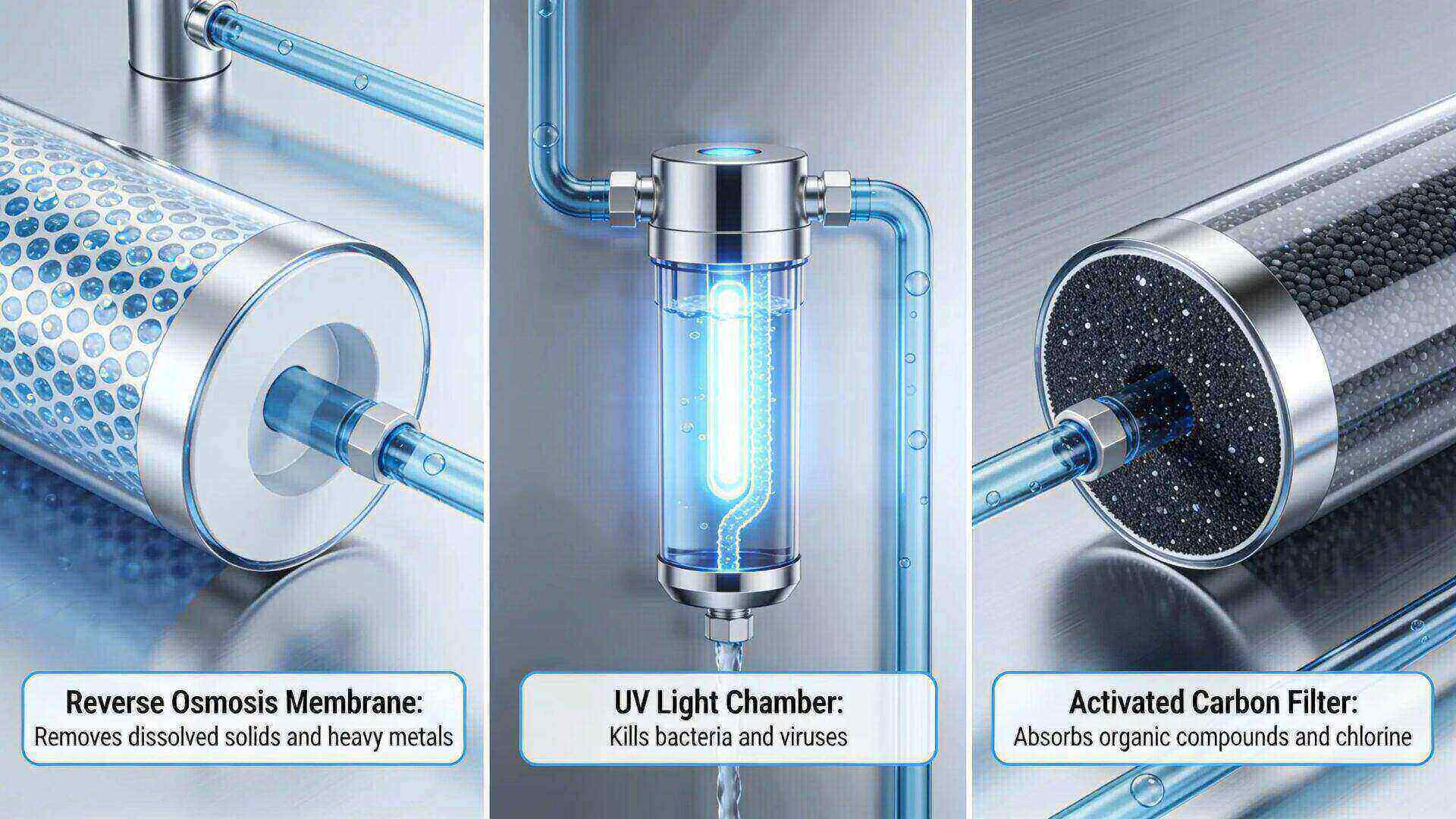
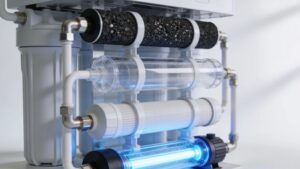
Reverse osmosis (RO) pushes water through a semipermeable membrane to remove bacteria, viruses and dissolved solids, producing water suitable for patient care. For detailed product options and specifications, consider exploring water filtration systems. UV systems inactivate microbes by disrupting DNA, while activated carbon adsorbs organic chemicals and chlorine; together these methods form the core of a medical-grade water-management strategy.
What Are the Comparative Benefits of Different Filtration Solutions for Clinics?
When comparing filtration solutions for medical offices, weigh contaminant removal effectiveness, lifecycle cost and maintenance needs.
- Efficiency in Contaminant Removal: RO systems remove a broad spectrum of contaminants; UV targets microbial pathogens.
- Cost Considerations: Activated carbon filters are often cheaper but may need frequent replacement; RO has higher initial cost but can be economical over time.
- Maintenance Requirements: All systems need routine care; UV units typically have fewer filter replacements than carbon systems.
Multi-stage systems that combine technologies usually deliver the most reliable water quality for clinical use.
Safety Standards
Healthcare water standards are strict; understanding and documenting applicable regulations is essential for safe practice and legal compliance.
Best Practices
Prioritise regular maintenance, timely equipment upgrades and structured monitoring to sustain water quality and meet regulatory requirements.
Regulatory Compliance
Follow federal and local water rules to protect patients and reduce legal risk. Maintain documented procedures and records to demonstrate due diligence.
What Are the Key Water Contaminants Affecting Medical Office Water Quality?
Medical-office water can be affected by microbial pathogens, chemical residues and heavy metals. Identifying present contaminants guides system selection and monitoring priorities.
- Microbial Contaminants: Bacteria and viruses can lead to serious infections if water is not adequately treated.
- Chemical Contaminants: Chemicals from industrial runoff or aging infrastructure can pose health risks.
- Heavy Metals: Contaminants such as lead and mercury are harmful and pose serious risks to health.
Knowing likely contaminants helps target treatment and lower the risk of waterborne illness in your facility.
Which Microbial and Chemical Contaminants Pose Risks in Healthcare Settings?
In healthcare environments, several microbial and chemical contaminants pose significant risks:
- E. coli: This bacterium can cause severe gastrointestinal distress and often indicates fecal contamination.
- Chlorine Residuals: While needed for disinfection, high levels can cause gastrointestinal and respiratory issues.
- Lead: From old pipes; lead exposure can cause severe developmental issues, particularly in children.
Recognising these hazards enables timely testing and corrective action to protect patients and staff.
How Does Contaminant Presence Impact Patient and Staff Safety?
Contaminants increase infection risk and can cause long-term health effects. Regular testing and prompt remediation keep water safe and help maintain regulatory compliance.
Which Medical-Grade Water Filtration Systems Best Ensure Compliance and Safety?
Choose medical-grade systems that match your contaminant profile. RO combined with UV often provides broad chemical and microbial protection and is a common clinical choice.
How Do Filtration Systems Help Meet Regulatory Requirements Effectively?
Effective filtration reduces contaminants to meet local and EPA standards and creates records auditors require. Schedule periodic performance checks to verify continued compliance.
How Should Medical Offices Conduct Water Quality Testing and Ongoing Monitoring?
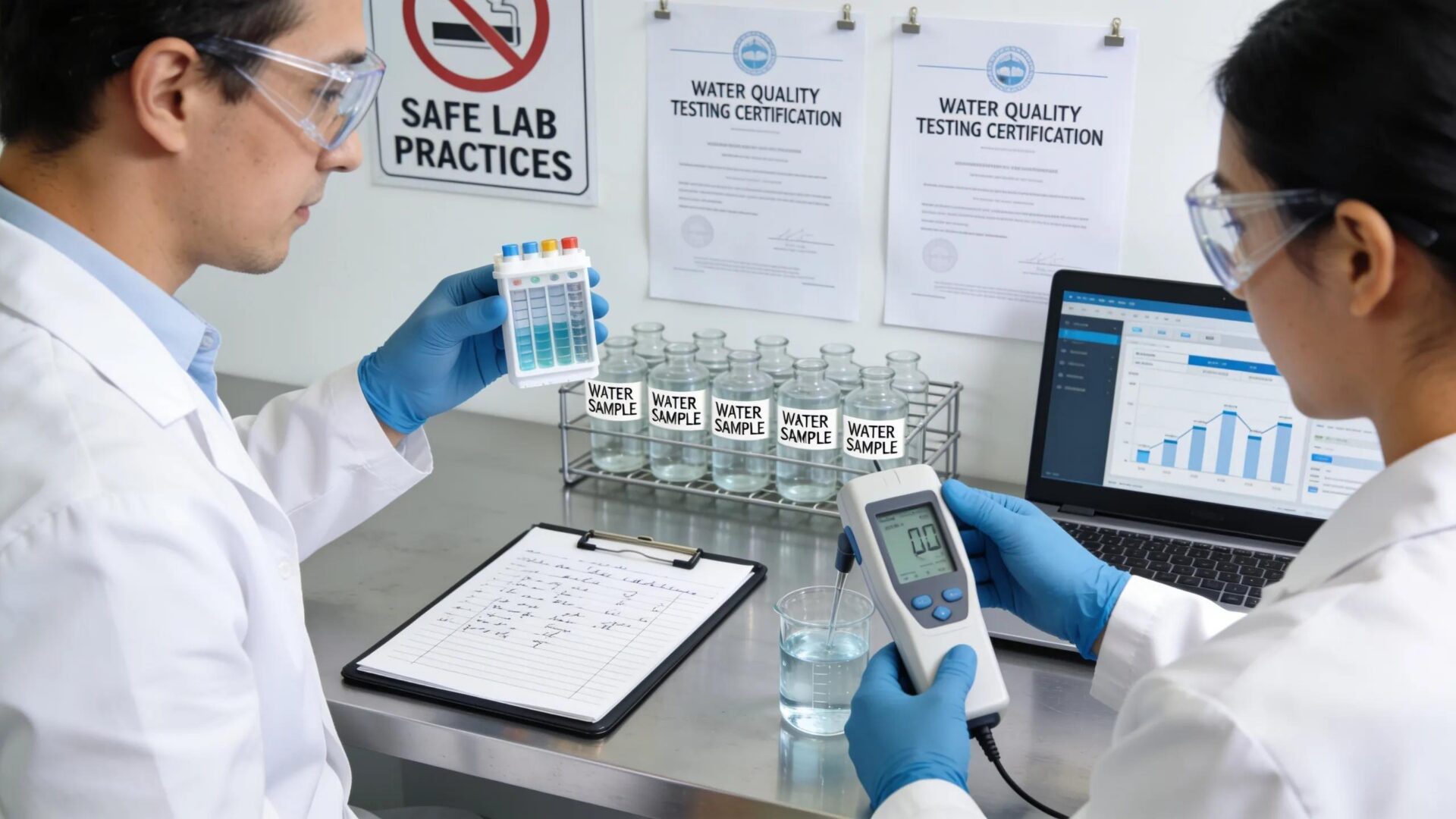
Integrate routine water testing into operational protocols to detect issues early and document safety.
What Are Recommended Testing Procedures and Protocols for Medical Facility Water?
Maintain compliance by following a testing protocol that includes:
- Testing at least quarterly for contaminants including bacteria, lead, and chemical residues.
- Using certified labs for accurate results.
- Documenting findings to track compliance over time.
A research team evaluated point-of-use systems to inform practical decisions on clinic-level treatment options.
Evaluating Water Treatment Systems for Medical Clinics
A Seattle University senior engineering design team evaluated a point-of-use microfiltration–ultraviolet (MF–UV) drinking water treatment system and an ultrafiltration (UF) unit. The MF–UV system reduced turbidity by 70% and inactivated 100% of E. coli in model water. The UF system removed 100% of turbidity and bacteria. The combined MF–UF–UV treatment system can provide up to 33,120 liters of water per day and meet basic human water needs at an annual cost of approximately US$0.80 per capita.
Evaluation of Water Treatment Systems for Medical Clinics, PL Thompson, 2012
How Can Real-Time Monitoring and IoT-Based Alerts Enhance Water Safety?
Real-time IoT monitoring detects anomalies immediately and issues alerts to staff, allowing faster response and simplifying regulatory reporting.
What Are the Critical Medical Facility Water Safety Standards and Regulations in Southern California?
In Southern California, facilities must comply with both federal and state water standards; staying current with both sets of rules is essential for compliance.
Which EPA and Local Health Codes Govern Water Quality in Medical Offices?
EPA guidance and local health codes set contaminant limits and testing expectations. Keep policies and testing schedules aligned with these standards.
Adopting comprehensive water-management guidelines helps facilities meet regulatory obligations and reduce pathogen risk.
CMS Water Management Guidelines for Healthcare Institutions
Water management programs (WMPs) are crucial for mitigating the proliferation and dissemination of opportunistic pathogens within healthcare facility water systems. Effective in 2017, the Centers for Medicare & Medicaid Services (CMS) mandated that certified hospitals in the United States implement water management policies and procedures. Concurrently, the National Healthcare Safety Network (NHSN) Annual Hospital Survey incorporated new, voluntary inquiries concerning water management and monitoring practices. Among the 4,929 hospitals surveyed in 2017, 3,821 (77.5%) indicated the presence of a WMP. Water management and monitoring practices in hospitals—United States, 2018, MJ Stuckey, 2018
How Do Filtration Systems Help Meet Regulatory Requirements Effectively?
Installing and regularly assessing filtration systems is a core strategy for meeting health codes. Verify performance and update installations as regulations change.
Frequently Asked Questions
What factors should medical offices consider when choosing a water filtration system?
Assess your water’s contaminant profile, daily demand, maintenance capacity and total cost of ownership. Also consider space constraints and local regulatory requirements. A pre-selection water analysis improves decision-making.
How often should water quality testing be conducted in medical offices?
Test at least quarterly, or more often if local rules require it or previous results indicate problems. Typical parameters include microbial counts, heavy metals and chemical residues. Regular testing supports timely corrective action.
What are the advantages of combining different filtration technologies?
Combining technologies uses each method’s strengths: RO removes dissolved solids, UV inactivates microbes, and activated carbon targets organic chemicals. A multi-stage approach provides broader protection and supports regulatory compliance.
What role does IoT play in water management for medical facilities?
IoT enables continuous monitoring of pH, turbidity and key contaminants and sends alerts when parameters deviate. This reduces response time, aids record-keeping and helps maintain compliance.
What are common misconceptions about water filtration in healthcare settings?
A common misconception is that one system treats all contaminants equally. Different pollutants need different treatments. Another is treating water management as a one-time task; it requires ongoing testing and maintenance.
How do federal regulations influence water quality management in medical offices?
Federal rules, including EPA standards, define acceptable contaminant levels, testing frequencies and safety protocols. Compliance protects patients and reduces legal exposure, so keep policies aligned with current regulations.
What maintenance practices are essential for ensuring water filtration systems work effectively?
Routine inspections, timely filter and component replacement, and cleaning per manufacturer guidance are essential. Maintain detailed service logs and test records, and schedule maintenance to minimise disruption.
Conclusion
Maintaining high water quality protects patients and supports regulatory compliance. Implement advanced filtration, routine testing and real-time monitoring to reduce risks. Review your water-management programme regularly and upgrade systems as needed. Learn more about our comprehensive solutions for sustaining safe water in your practice.