Discover bottleless water cooler Cost vs. Traditional Units
Maximizing ROI: Financial and Long-Term Benefits of Bottleless Coolers
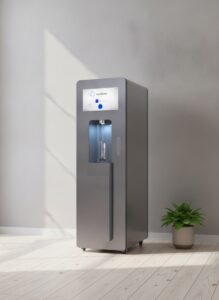
Bottleless water coolers are special dispensers. They connect directly to your building’s water supply. They filter tap water right when you want to drink it.
These coolers give you hot, cold, or room-temperature water. You don’t have to buy expensive bottled water anymore.
This article will show you how bottleless water coolers work and how they save money. We’ll explain why they can lower your water costs and overall spending. For a detailed comparison of costs, discover bottleless water cooler cost vs. traditional units.
We’ll also look at how they offer long-term benefits and help with sustainability for businesses in Los Angeles and Southern California. Many offices spend too much on bottled water due to buying, delivery, and storage costs.
Switching to a plumbed-in system can cut these expenses. It also gives everyone better access to filtered water.
You’ll learn about direct money savings and see a comparison with bottled water coolers. We’ll also cover hidden benefits like better productivity and safety, plus environmental savings.
The guide offers tips on how to get the best value. It includes examples for small, medium, and large offices, cost tables, and checklists. These will help you get accurate quotes from suppliers.
We use terms like “bottleless water cooler cost” and “mains-fed water dispenser running costs.” This helps buyers in Los Angeles and Southern California understand the savings and total cost of owning these systems.
Experience the Difference: Start Your 7-Day Free Trial Today!
See how easy and affordable a bottleless water cooler can be. There’s no commitment.
Enjoy fresh, filtered water for a full week, absolutely free!
What Are the Direct Financial Savings of Using Bottleless Water Coolers in Los Angeles and Southern California?
Bottleless water coolers save you money directly. They replace expensive bottled water with filtered tap water.
This cuts down the cost per litre and removes regular delivery fees. It’s a simple idea: a cooler connected to your water line filters tap water as you use it.
Businesses then pay for new filters and occasional maintenance. This is much cheaper than frequent bottled water orders and delivery costs.
The main benefit is a lower cost for each litre of water. You also have fewer ongoing operational costs. Together, these create predictable annual savings.
Below, we’ll show you how these savings happen. We’ll also give a simple example for a small office to make it clear.
Switching to bottleless systems usually lowers the cost of drinking water. It also gets rid of many extra fees that come with bottled water deliveries. We’ll explain these savings in the next sections.
The next part will show how not buying bottled water saves money per employee and per litre.
How Does Eliminating Bottled Water Purchases Cut Costs?

Not buying bottled water directly lowers your spending. You replace costly single-use bottles with filtered tap water from a bottleless cooler.
This greatly reduces the cost per litre. Mains-fed dispensers have a small ongoing cost, mainly for filter changes and occasional service.
But this cost is spread across a lot of water. So, the cost for each litre becomes very low.
For example, if your workplace pays a lot for bottled water, switching can cut the cost to just a few cents per litre. This depends on your filter choice and how much water is used.
This saving per litre grows with more staff and higher water use. It leads to clear annual savings for offices of all sizes.
Understanding these per-litre savings helps you build a simple plan to see your return on investment (ROI). This leads us to the next section, which looks at how delivery and extra charges are reduced.
How Much Can You Save by Cutting Delivery Fees and Surcharges?
Getting rid of bottled water deliveries means no more regular delivery fees. You also avoid extra charges for urgent or small orders.
These fees can add up to hundreds of dollars each year for many workplaces. Delivery fees are often fixed or charged per drop, plus handling fees.
They can even go up during busy times or for small, frequent orders. Bottleless coolers, however, don’t need deliveries, except for occasional filter shipments.
This means you get rid of changing logistics costs. Staff also spend less time ordering and checking deliveries. Removing these fees creates steady savings and makes invoices simpler for your finance team.
Less reliance on deliveries also makes your supply chain smoother and reduces storage needs. The next section will explore these savings related to logistics and space.
What Are the Savings from Reduced Storage and Logistics Expenses?
A bottleless water cooler cuts down on storage and handling costs. You no longer need to store bulky bottles or manage inventory.
This saves money on space and reduces the need for staff to move heavy bottles. The process is simple: you can use the freed-up storage space for other things or even reduce your office size.
Staff won’t spend time moving heavy bottles or dealing with deliveries. This cuts down on indirect labor costs and lowers the risk of injuries from lifting.
For small to medium businesses, this can mean measurable hourly savings and lower hidden costs. For larger companies, it simplifies how suppliers are managed and delivery times.
The space and staff time saved by switching create extra annual value, on top of the direct per-litre savings.
Fewer storage needs also lead to better health and safety, which we’ll discuss later. They also make the buying process easier for facilities teams.
How Do Bottleless Water Coolers Compare to Bottled Water Coolers in Price and Running Costs?
When you compare them directly, bottleless water coolers might cost more upfront for plumbing or setup. But they have much lower ongoing running and delivery costs than bottled water coolers.
Bottleless systems have costs for installation, filters, and occasional maintenance. Bottled systems, however, have repeated costs for buying bottles, delivery, and storage fees.
Overall, mains-fed dispensers usually cost less to own over several years. We’ll show a comparison table below.
Then, we’ll talk about purchase prices, whether to rent or buy, and maintenance costs. This will help you understand the running costs and how much each litre of water costs.
This section also gives example cost ranges and service situations. This helps buying teams get accurate quotes and check what services are included.
The table below compares typical features of bottleless (mains-fed) and bottled water coolers. It focuses on initial and ongoing costs.
| System type | Typical upfront cost | Typical ongoing annual cost |
|---|---|---|
| Bottleless water cooler (mains-fed) | Unit plus installation: medium to high range depending on features and plumbing | Filters, service visits: modest recurring cost; no delivery fees |
| Bottled water cooler | Unit often lower or included with bottle supply; initial bottle deposit possible | Bottle purchases, delivery fees, storage and handling: higher recurring costs |
| Hybrid/portable bottled dispenser | Low upfront cost | Frequent bottle replacements and delivery surcharges increase annual spend |
This comparison shows that bottleless units might need more planning at first. But their ongoing costs are usually lower, leading to savings over time.
The next sections explain the detailed factors that affect upfront and running costs.
What Is the Average Purchase Price of Mains-Fed Bottleless Water Coolers in Los Angeles and Southern California?
The price of a mains-fed bottleless water cooler changes based on its size, features, and how well it filters water. Installation costs are added if plumbing changes are needed.
The price depends on the features. Models that offer hot and cold water, internal tanks, or UV sterilisation usually cost more.
Smaller tabletop dispensers that connect to your water line are generally cheaper. When estimating initial spending, buyers should plan for possible plumbing work and optional extras.
These extras could include touchless controls or advanced filters. Knowing the different price levels helps you choose the right model for your office needs.
It also sets realistic expectations for how quickly you’ll get your money back and for buying discussions.
Choosing the right level of features prevents you from spending too much on things you won’t use. It also helps with the rental-versus-purchase decision, which we’ll discuss next.
Should You Rent or Buy a Bottleless Water Cooler for Maximum Savings?
Renting a bottleless water cooler means you pay less money upfront. Rental agreements often include service, too.
Buying, however, can lead to lower total costs over time if you use it for several years and keep it well-maintained. The choice is simple: renting spreads the cost monthly and might include filter changes and repairs.
This gives you predictable spending. Buying means you pay more at the start, but your monthly costs are lower in the long run. It can be cheaper after you’ve saved enough to cover the initial cost.
You usually break even within 1 to 3 years. This depends on rental prices, how much you use the cooler, and what services are included.
So, businesses should ask for quotes that clearly list what’s included to compare the total cost of ownership (TCO). Ask suppliers for a clear 3–5 year TCO to find the most cost-effective way to get a cooler.
Comparing what’s included in rentals and what maintenance to expect is very important. This leads to the next section, which focuses on typical maintenance and filter replacement costs.
What Are Typical Maintenance and Filter Replacement Costs?
Maintaining bottleless coolers usually involves yearly or twice-yearly service visits. You also need to replace filters regularly.
These two things make up the main ongoing cost for mains-fed systems. How long filters last depends on their type and your local water quality.
Common multi-stage filters might need changing every 6 to 12 months. More advanced filters or UV parts cost more but last longer between services.
Typical annual maintenance costs vary based on usage and service levels. But they are often much lower than the combined cost of buying and delivering bottled water.
Planning filter schedules and getting service agreements that include filters will help avoid unexpected running costs. For peace of mind, look for suppliers who offer continuous support and minimal downtime.
Having a clear maintenance plan and filter schedule also helps you accurately predict your return on investment (ROI). We’ll cover this in the investment section below.
What Are the Indirect Financial Benefits of Bottleless Water Coolers for Offices?
Bottleless water coolers offer hidden financial benefits. These come from better productivity, fewer health and safety risks, and possibly more energy efficiency than older bottled systems.
Here’s how it works: easier access to water and better hydration help people focus. Fewer tasks involving heavy lifting mean fewer injury-related costs.
Also, modern dispensers with energy-saving modes can lower your electricity use. These hidden gains are harder to measure directly.
But they often show up as less time off work, fewer small injuries, and slightly lower bills. In the next sections, we’ll explain how better hydration leads to more productivity.
We’ll also look at health and safety improvements and potential energy savings for workplaces.
These indirect benefits often add to your direct savings. You should include them when comparing options for the total cost of ownership.
How Does Improved Office Hydration Boost Employee Productivity?
When filtered water is easily available, employees drink more. This helps their brains work better and keeps them focused, which can increase productivity and reduce tiredness.
Studies show that even slight dehydration can affect mood and how well people think. Offering easy access to water encourages regular drinking.
In money terms, even small increases in productivity per employee add up across a team. This creates real value for businesses, especially in jobs that require a lot of thinking.
Offices that make hydration a priority can see a hidden return on their water cooler investment through these small but steady productivity gains.
Connecting good hydration to fewer sick days and better morale makes the business case stronger. This links to the health and safety improvements we’ll cover next.
How Do Bottleless Coolers Reduce Health and Safety Risks?
Bottleless systems lower the risk of injuries from lifting. You don’t need to lift heavy bottles, which reduces muscle strains.
They can also improve cleanliness with touchless dispensing and regular cleaning. This works by removing repeated heavy lifting tasks.
You can also ask for special cleaning visits in your service agreement, which helps prevent germs. Fewer injuries mean lower costs for workers’ compensation and less time lost from work.
Better hygiene means fewer minor infections or complaints. A strong service agreement that includes cleaning visits turns these health and safety improvements into ongoing benefits for facilities managers.
Reducing heavy lifting also means less time spent refilling and storing bottles. This adds to the operational savings we talked about earlier and connects to utility costs next.
Can Energy Efficiency Lower Your Utility Bills?
Many modern bottleless dispensers use energy-saving parts. These include efficient compressors, timers, and insulated tanks.
They use less electricity than older bottled hot-water systems, which constantly heat large tanks. This is because of better temperature control and smarter electronics.
These features reduce power use when the cooler is not active, but still provide instant hot and cold water. For businesses watching their energy budget, choosing models with energy-saving features can lead to small but steady annual savings on utility bills.
Energy savings also help meet sustainability goals. They can be a factor when choosing new equipment to favor products with lower energy use over their lifetime.
Energy efficiency works with filter choice and maintenance planning. Together, these affect both running costs and environmental impact, which we’ll explore next.
How Do Bottleless Water Coolers Help Reduce Environmental Costs and Improve Sustainability?

Bottleless water coolers cut environmental costs in several ways. They get rid of single-use plastic bottles. They also reduce pollution from delivery trucks.
And they lessen the burden of waste disposal for businesses. Here’s how: filtered tap water, dispensed where you use it, replaces bottled water that needs to be made and transported.
This directly cuts down on plastic waste and carbon emissions. The benefit is twofold: lower disposal costs and clear gains in sustainability.
These gains can help with corporate social responsibility (CSR) reports and buying decisions. Below, we’ll show how many bottles are saved and how much CO2 is reduced.
We’ll also explain how these environmental benefits can be turned into financial or reputation value.
The table below summarizes the environmental benefits and their estimated impact for typical office sizes.
This table shows the estimated number of bottles avoided each year, approximate CO2 emissions saved, and a rough money value for waste handling or sustainability reporting. This is for comparison only.
| Environmental metric | Typical annual value (SME example) | Estimated business impact |
|---|---|---|
| Bottles saved | 1,500–5,000 bottles per year (depending on size) | Reduced procurement and disposal volume |
| CO2e avoided | Several hundred kg CO2e per year | Lower scope 3 transport emissions |
| Monetary equivalent | $50–$300 per year (waste handling/reporting value) | Lower waste disposal and positive CSR reporting |
This shows how environmental improvements lead to small direct money savings. They also create greater value for a company’s reputation, especially for businesses focused on sustainability.
The next sections will break down these numbers further for bottles, carbon, and how they translate into money.
How Much Plastic Waste Can Be Eliminated by Switching to Bottleless Coolers?
Switching to bottleless coolers drastically cuts down on single-use plastic. You can avoid hundreds to thousands of bottles each year.
This depends on your office size and how much water is consumed. For example, a small office can avoid thousands of bottles annually by switching from bottled deliveries.
Getting rid of this many bottles lowers waste collection costs. It also reduces the need to store empty bottles and makes recycling simpler.
If you apply these savings across many locations, both the cost and environmental benefits multiply for companies with multiple offices.
Less plastic waste also makes your company look better to others. It supports buying policies that favor suppliers who produce less waste. This connects environmental benefits to business advantages, which we’ll discuss later.
What Is the Impact on Your Carbon Footprint?
The carbon impact mainly comes from not producing bottles and not having delivery trucks. A mains-fed dispenser replaces these activities.
This reduces “scope 3” emissions, which are indirect emissions from a company’s value chain. It works by removing repeated visits from heavy delivery vehicles and emissions from making plastic.
Together, these make up a significant part of bottled water’s total carbon footprint. The exact reductions depend on distance, how often deliveries happen, and packaging.
But even careful estimates show big year-on-year reductions for most offices. Lowering your carbon footprint helps you meet sustainability goals.
You can also report these reductions in your company’s carbon records to show progress.
These carbon savings can also affect buying decisions and supplier choices. This can lead to hidden financial benefits through compliance or better scores in tenders.
How Do Environmental Benefits Translate into Financial Savings?
Environmental benefits turn into money savings in a few ways. You pay less for waste disposal and spend less on buying bottles.
There’s also potential value in sustainability reports, which can help you win bids or improve relationships with stakeholders. This works through direct savings on waste and buying costs.
Plus, there are softer benefits like a better brand image and more influence in buying decisions due to your green efforts. For some companies, measuring these benefits helps justify investing in bottleless systems.
It adds value from waste avoidance and reputation to the direct cost savings. Combining environmental and financial numbers creates a more complete picture of total cost of ownership. This appeals to both finance and sustainability teams.
Next, we’ll look at the initial investment and how to calculate long-term return on investment. We’ll combine these environmental and operational savings into financial plans.
What Are the Upfront Investment and Long-Term ROI of Bottleless Water Coolers?
The long-term return on investment (ROI) for bottleless water coolers depends on a few things. These include the initial installation and unit cost, ongoing filter and maintenance expenses, and how much you save by not buying bottled water and paying delivery fees.
Calculating the total cost of ownership (TCO) is straightforward. Add the purchase and installation costs, plus annual maintenance and filter costs. Then, subtract the annual savings from not buying bottled water and paying logistics fees.
This will show you your net savings and how long it takes to get your money back. Buyers should compare the TCO for buying versus renting over 3–5 years to find the most economical option.
Below, we’ve included a cost table. It shows installation, filter, lifespan, and 3–5 year TCO comparisons for both buying and renting scenarios.
This table shows typical installation and ongoing costs for purchased versus rented mains-fed dispensers. It helps you think about total costs over several years.
| Investment item | Purchase (example values) | Rental (example values) |
|---|---|---|
| Installation cost | One-off plumbing/install fee | Often included in rental |
| Filter replacement per year | $100–$300 depending on type | Usually included or charged separately |
| Expected lifespan / contract | 5–10 years (owned) | 1–5 years (rental term) |
| Estimated 3-year TCO | Purchase: higher upfront, lower annual thereafter | Rental: predictable monthly cost, potentially higher 3-year total |
This comparison makes it clear that buying usually becomes cheaper over several years. Renting, however, lowers your initial cash outlay and can include service.
Businesses should ask for detailed quotes from suppliers to accurately compare these options.
What Are Typical Installation and Initial Purchase Costs in Los Angeles and Southern California?
The typical installation and purchase costs for bottleless coolers vary. It depends on the model, if plumbing work is needed, and if you want extras like UV sterilisation or hot-water features.
The cost is driven by how ready your site is. Simple installations, where the cooler connects to an existing water line, need minimal plumbing.
But locations that need new connections or separate lines might have higher fees. Buyers should ask for detailed quotes that list the unit price, installation labor, and any electrical or plumbing adjustments separately.
This helps you compare offers fairly. Clear planning upfront reduces unexpected costs and helps you see your return on investment faster.
Including possible installation surprises in your budget prevents problems. It also helps with accurate total cost of ownership (TCO) modeling, which we’ll cover next.
How Does Long-Term ROI Compare Between Bottleless and Bottled Water Coolers?
Over 3 to 5 years, bottleless water coolers usually cost less overall than bottled systems. This is because you eliminate bottle purchases and delivery fees.
This is true even with higher initial installation or equipment costs. The savings add up over time: ongoing savings from not buying bottles and paying for logistics grow year after year.
This leads to a point where you break even, and then you start seeing net savings that increase over time. Simple ROI calculations—just subtracting the total costs of each option—usually show you’ll get your money back within a few years if your office uses a moderate to high amount of water.
When you’re figuring out ROI, remember to include hidden benefits. These include better productivity and less waste disposal, for a more complete picture.
We’ll show examples and hypothetical situations next to demonstrate this math in action.
What Case Studies Demonstrate Actual Savings for Businesses in Los Angeles and Southern California?
Hypothetical examples in Los Angeles and Southern California show typical savings. A small office (10–20 staff) switching to a bottleless dispenser can get back its installation and filter costs within 1–2 years.
This is thanks to not buying bottles and avoiding delivery fees. A larger office (100+ staff) will see even faster payback and much bigger total savings.
These examples combine lower cost per litre, no delivery fees, and less labor for storage and handling. This results in annual savings that justify buying or renting.
Even with careful estimates, these situations show significant multi-year savings and better sustainability. This supports buying decisions.
Real-world results can vary. So, businesses should use their own quotes and water usage data to get exact outcomes.
What Are the Common Questions About Bottleless Water Cooler Costs and Savings?
This section answers common questions in a simple way. It helps buyers make decisions and find quick answers about savings, whether it’s worth investing, how often to change filters, and any hidden costs. For a comprehensive look at the financial benefits, compare bottleless water cooler costs with traditional units.
We provide short, direct answers that summarize information. We also point you to the ROI modeling sections where you can do your own calculations.
The answers below are designed to be quick and helpful for buying and facilities teams looking for fast information.
These clear answers also prepare readers for the final checklist on how to save the most money.
How Much Money Can a Business Save with a Bottleless Water Cooler?
A business can typically save between 20–60% on drinking water costs. This happens by switching from bottled to bottleless solutions.
The exact savings depend on staff numbers, how much you currently spend on bottles, and delivery fees. Small offices often save a few hundred dollars per year, while larger offices can save several thousand.
These savings come from reducing the high cost per litre of bottled water and removing delivery and handling fees. For example, a 25-person office spending $2,000/year on bottles might cut that to $700–$1,200/year after switching.
This would result in net annual savings of hundreds of dollars. Use a simple total cost of ownership (TCO) worksheet with your local quotes to figure out exact savings for your site.
This percentage range helps set expectations. The decision checklist that follows clarifies when a bottleless cooler makes financial sense.
Are Bottleless Water Coolers Worth the Investment?
Bottleless water coolers are a good investment if your workplace uses water regularly, has limited space for bottles, or aims to reduce plastic and transport emissions.
It’s about matching your water use and company goals with the financial benefits. If water consumption is steady, the lower cost per litre and eliminated logistics usually justify buying or renting within a few years.
Things to consider include staff numbers, current bottled water spending, access to plumbing, and whether you prefer a large upfront cost or predictable monthly payments.
Facilities teams should ask for 3–5 year total cost of ownership (TCO) estimates. This will help them decide whether to rent or buy for their specific situation.
This checklist approach naturally leads to the next question about filter maintenance costs.
How Often Do You Need to Change Filters and What Does It Cost?
How often you need to change filters depends on the filter type and how much water is used. For multi-stage filters, it’s usually every 6 months to annually.
Higher-capacity or advanced filters can last longer but cost more upfront. Filter life is based on how much water passes through and your local water quality.
Heavy use or water with many particles will shorten a filter’s life. Typical annual filter costs vary by filter type and how much water your site uses.
But they are generally a small part of your total water spending and less than the ongoing cost of buying bottles. Including filter replacements in a service agreement or getting a bundle price reduces cost variations and simplifies budgeting.
Keeping a record of filter changes and tracking usage helps facilities teams find the best times to replace filters and manage costs.
What Are the Disadvantages or Hidden Costs of Bottleless Water Coolers?
Possible downsides include initial plumbing challenges, the need for filter replacements and service, and reliance on your tap water quality. If your tap water isn’t great, you might need more advanced filters.
These hidden costs come from differences at each site. Difficult plumbing access or poor tap water quality can increase installation or filter expenses. Also, if your contract doesn’t include cleaning visits, it could lead to long-term hygiene risks.
Businesses should deal with these risks by testing their water, getting detailed quotes, and securing service agreements. These agreements should specify filter types, replacement times, and cleaning visits.
Clear buying specifications and comparing what’s included in different services reduce the chance of unexpected costs.
Addressing these hidden costs upfront helps with the buying advice in the final section on how to save the most money.
How Can You Maximise Savings When Choosing a Bottleless Water Cooler?
To save the most money, you need to pick the right model for your needs. Choose filters that last a long time and features that save energy.
Also, negotiate service agreements that include essential maintenance and filter replacements. This means combining the right size, features, and clear contract terms.
This helps reduce costs over the cooler’s lifetime and avoids expensive emergency repairs. Below, we provide checklists for features, sizing guidelines, and service agreement clauses to ask for when getting quotes from suppliers.
This helps facilities teams compare offers fairly and get the best value.
Using these buying strategies ensures you get both direct and indirect savings throughout the cooler’s life.
Here’s a list of features that help reduce costs, which you should prioritize when looking at different models.
- Long-life filters: Choose filters that can handle more water to reduce how often you need to replace them and lower the cost per litre.
- Energy-saving modes: Look for timers or eco modes that cut down on energy use when the cooler is not active.
- Service-friendly design: Pick models with easy-to-access filters and parts that can be swapped out. This lowers service time and cost.
Focusing on these features reduces the total cost over the cooler’s life and makes servicing easier. The next list gives sizing advice.
Sizing guidance for common office sizes:
- 10–25 staff: Small, point-of-use units or tabletop mains-fed dispensers are enough and offer the lowest total cost.
- 25–75 staff: Freestanding bottleless coolers with larger water tanks or two taps reduce waiting times and support moderate water use.
- 75+ staff or multiple sites: Consider several point-of-use units or larger freestanding units to balance usage and ensure water is always available.
This sizing rule helps match the cooler’s capacity to your needs. It also prevents you from overspending on expensive features you won’t fully use. Finally, ask for the following clauses in your service agreement to protect your total cost of ownership.
Service agreement checklist (ask suppliers for these items):
- Filter inclusions and replacement intervals: Clearly state which filters are included, how long they are expected to last, and the cost per unit if not included.
- Sanitation and call-out terms: Include scheduled cleaning visits and clear response times for service calls.
- Transparent pricing: Demand a detailed price breakdown for installation, spare parts, and any optional extras to compare quotes fairly.
- Guaranteed Reliability and Support: Make sure the agreement covers product Reliability and offers quick customer support.
Negotiating these clauses turns your buying activity into predictable operating costs. It also helps you save the most money in the long run.
This article explained how bottleless water coolers save money. We compared different options and gave practical advice for buyers in Los Angeles and Southern California. This helps you calculate the return on investment, running costs, and total cost of ownership for mains-fed water dispensers.
When making a buying decision, get quotes from suppliers. Make sure they include detailed costs for installation, filter replacement, and service. Then, use the simple ROI checklist above to find the best value option.
Contact us to discuss your specific needs and get tailored advice.
Environmental Assessment: Mains-Fed Versus Bottled Water Coolers
ENVIRONMENTAL ASSESSMENT OF PRODUCTS: CARBON FOOTPRINT BASED COMPARISON OF TWO WATER COOLING SYSTEMS, 2014