Top 5 Benefits of Ice Dispensers for Enhancing Medical Office Efficiency and Patient Care
By Ron Davies, Aqualume
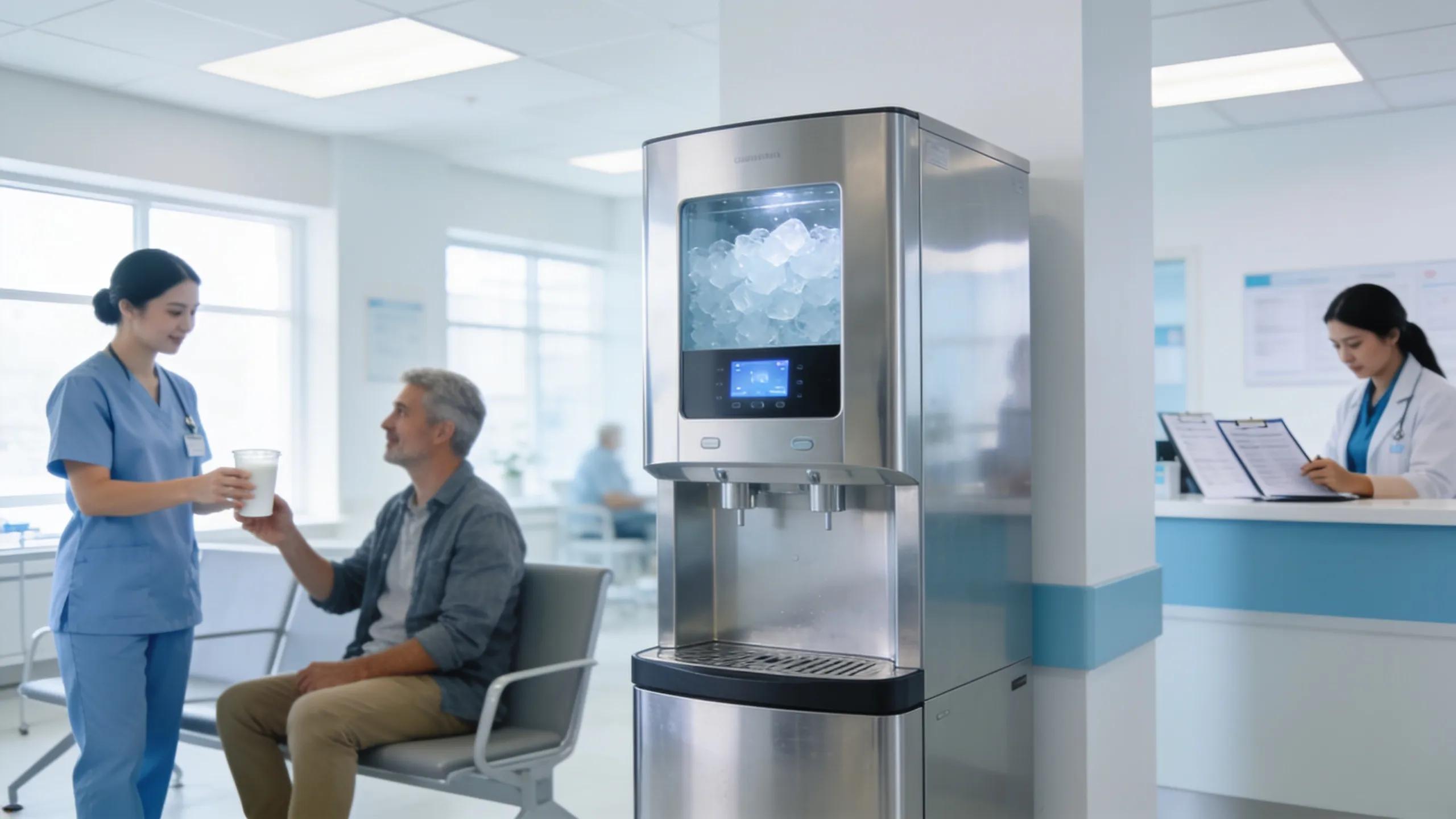
Timely, efficient patient care depends on reliable systems. Ice dispensers remove logistical barriers by supplying on-demand ice, reducing manual tasks and improving patient comfort. This article outlines the top five benefits of ice dispensers for medical offices and shows how they support operational efficiency, hygiene, clinical workflows and better care outcomes.
Key Takeaways
- Ice dispensers enhance medical office efficiency by automating ice delivery and reducing manual labor for staff.
- Automated ice dispensing improves workflow and patient throughput by providing on-demand ice access quickly.
- Immediate ice availability increases patient comfort and supports timely care for pain and swelling management.
- Modern ice dispensers maintain high hygiene standards with sealed storage and self-cleaning features to prevent contamination.
- Properly maintained ice dispensers reduce infection risks by minimizing pathogen transmission in healthcare settings.
- Automated systems lower operational costs by reducing labor needs and minimizing ice wastage in medical offices.
- Energy-efficient commercial-grade ice dispensers offer long-term savings with reduced maintenance requirements.
- Ice dispensers contribute to better patient care outcomes by streamlining logistics and supporting clinical procedures effectively.
Operational Efficiency
Efficiency in clinical settings means faster care and lower costs. Ice dispensers streamline the supply of ice so staff spend less time on routine tasks and more time with patients. That reliability is especially valuable in busy practices and high-demand situations.
Automated Ice Dispensing to Reduce Staff Workload
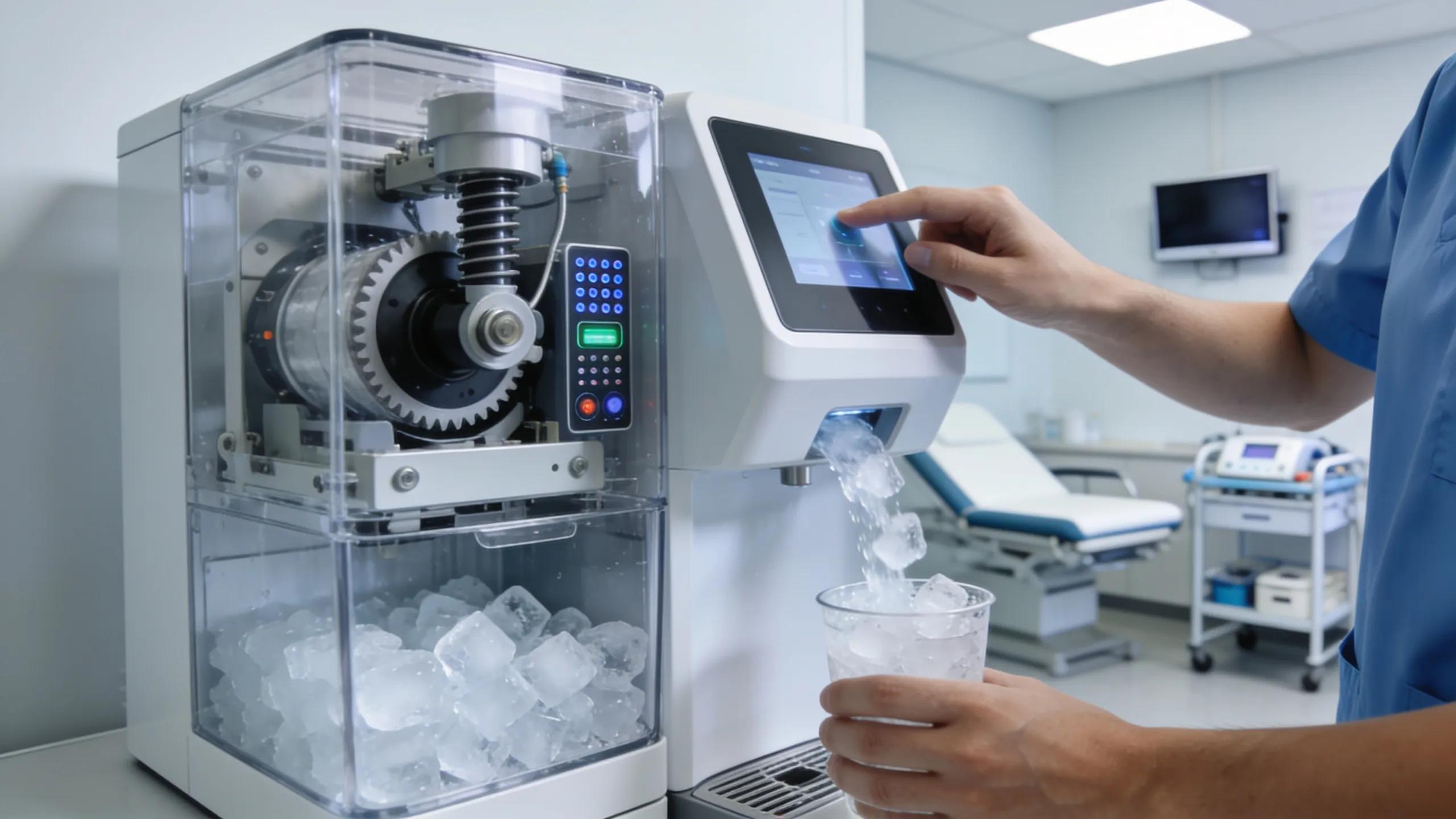
Automated dispensers remove manual handling. With a button press, staff get measured, hygienic portions of ice, so they no longer need to scoop, store or transport ice. That saves time and reduces the chance of handling errors.
Impact on Workflow and Patient Throughput
On-demand ice reduces delays for treatments that require cooling, such as swelling control or minor procedures. Faster access shortens care episodes and helps clinics keep to schedules, improving throughput and patient flow metrics.
Patient Comfort
Patient comfort affects satisfaction and recovery. Immediate access to ice helps manage pain and swelling quickly, which patients notice and appreciate.
In What Ways Do Ice Dispensers Enhance Patient Care and Comfort?
Easy access to ice supports symptom relief at the point of care. Quick cooling options reduce discomfort and signal that the clinic is equipped to respond promptly to patient needs.
Reducing Patient Wait Times with On-Demand Ice Access
On-demand dispensing cuts the time patients wait for cooling relief. That reduces frustration, improves satisfaction scores and keeps staff workflows uninterrupted.
Hygiene and Safety
Hygiene in patient areas is essential. Ice used for care must be protected from contamination and handled in ways that reduce infection risk.
Maintaining Hygienic Ice Supply for Patient Safety
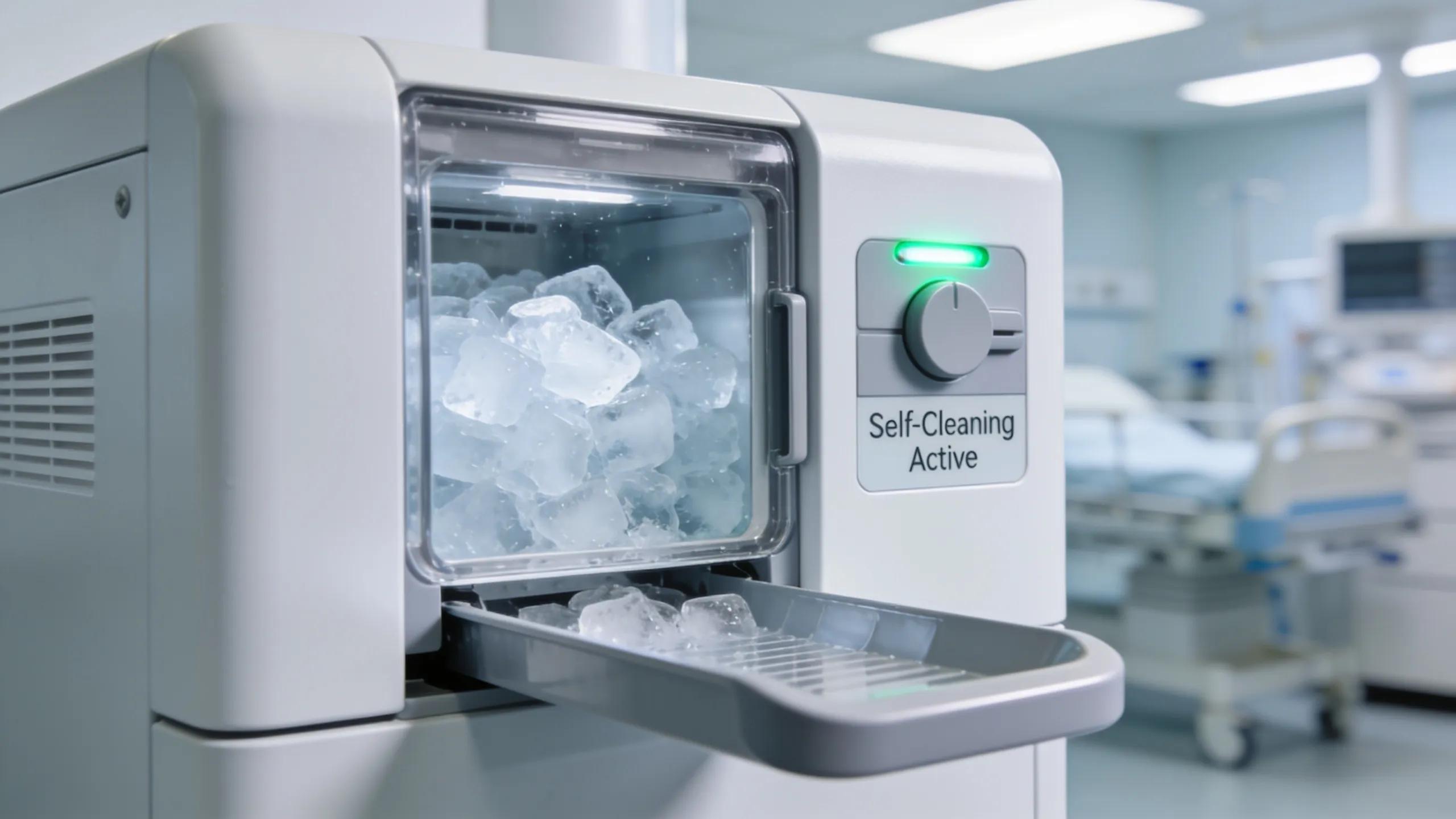
Modern machines use enclosed storage and automated release to limit exposure. These design choices reduce contamination routes compared with open scoops or buckets, keeping the ice supply safer for patient use.
Automatic Dispensing Technology to Prevent Contamination
Key sanitation features include sealed hoppers, touch-minimised dispensing and built-in cleaning cycles. Together, these features help meet hygiene protocols and lower the risk of pathogen transfer in clinical settings.
Research highlights the
in ice machines, as they have been identified as potential sources for disseminating pathogens within healthcare facilities if not properly maintained.
Contaminated Ice Machines in Healthcare Facilities: A Source of Pathogen Dissemination
BACKGROUND: Contaminated ice machines have been linked to pathogen transmission in healthcare settings. OBJECTIVE: This multicentre study assessed contamination locations and potential dispersal mechanisms in ice machines across 5 hospitals and 2 nursing homes in northeastern Ohio. METHODS: Multiple sites on each machine were cultured; usage observations and fluorescent tracer simulations explored dispersal. RESULTS: Samples from 64 ice machines were cultured. Gram-negative bacilli and/or Candida species were found in 100% of drain pans, 52% of ice and/or water chutes, and 72% of drain-pan grilles.
Hiding in plain sight: Contaminated ice machines are a potential source for dissemination of Gram-negative bacteria and Candida species in healthcare facilities, A Kanwar, 2018
Better Patient Care Outcomes
Systems that reduce delays and infection risk improve clinical outcomes. Ice dispensers support this by providing ready access to cooling therapies and simplifying logistics that otherwise slow care delivery.
How Do Ice Dispensers Contribute to Cost and Resource Savings in Clinics?
Automation cuts labour tied to ice management and reduces waste through precise dispensing. That lowers operational spending and allows clinics to reallocate staff time and budget to direct patient care.
Energy Efficiency and Reduced Maintenance Requirements
AquaLume offers specialised commercial-grade ice dispensers built for efficiency and lower upkeep compared with older methods. Investing in modern units can reduce energy use and maintenance time while maintaining reliable ice production. For detailed information on commercial-grade units, consider exploring AquaLume specialized commercial-grade ice dispensers.
Lower Operational Costs Compared to Manual Ice Handling
Switching to automated dispensing reduces dependence on staff for ice tasks and limits overproduction and waste. That yields measurable cost savings and helps clinics manage resources without compromising care. For further reading, see advanced ice dispensing solutions.
Frequently Asked Questions
1. What features should a medical office look for in an ice dispenser?
Prioritise automated dispensing, sealed storage and self-cleaning cycles. Also consider energy efficiency and fast-access designs so staff can retrieve ice quickly during busy periods.
2. How do ice dispensers help with infection control?
Automated dispensers reduce direct contact with ice and use sealed systems plus cleaning routines to limit contamination. These features lower the risk of pathogen transfer compared with manual handling.
3. Can ice dispensers improve patient wait times?
Yes. On-demand dispensing provides immediate cooling relief, cutting delays associated with manual ice retrieval and allowing staff to serve more patients efficiently.
4. What maintenance is required for ice dispensers?
Routine maintenance includes cleaning the dispensing area, sanitising water lines and verifying self-clean cycles. Monthly inspections for ice build-up and component wear help maintain performance and hygiene.
5. Are there energy-efficient options for ice dispensers?
Many commercial models are engineered for lower power use while keeping high production rates. Choosing energy-efficient units can reduce utility costs and total operating expenses over time.
6. What impact do ice dispensers have on patient satisfaction?
Immediate access to ice eases discomfort and shortens waits, both of which improve patient satisfaction. Visible, reliable amenities also reflect a practice’s commitment to quality care.
7. How can ice dispensers affect staff workload?
By automating ice retrieval, dispensers free staff from routine tasks and let them focus on clinical priorities, boosting productivity and reducing interruptions.
Conclusion
Integrating ice dispensers into medical offices enhances efficiency, supports hygiene and improves patient comfort. These systems cut staff workload, reduce contamination risk and speed care processes. To learn how modern dispensers can fit your practice, explore the available models and specifications today.