Top Water Cooler Los Angeles: 10 Features for Modern Homes
Modern Water Coolers for Los Angeles Homes – The "Home ROI & Wellness" Revolution
For decades, the water cooler was the gathering spot of the corporate world. It was a utilitarian gray box humming in the corner of a breakroom. However, a significant shift has occurred. The advanced technology once reserved for high-end corporate offices is now entering the domestic sphere.
Los Angeles residents are increasingly prioritizing health, sustainability, and home aesthetics. As a result, finding the Top Water Cooler Los Angeles has to offer is no longer just a business concern—it is a top priority for discerning homeowners. This shift represents a move away from passive consumption toward active wellness management.
While traditional units hold 5-gallon jugs, modern systems are sophisticated appliances. They offer purification levels that rival bottling plants and convenience features that fit seamlessly into a smart home ecosystem. We are witnessing the "Home ROI & Wellness" revolution.
This guide explores the essential features of these advanced machines. We will interpret high-grade office capabilities through a residential lens, demonstrating why a commercial-grade cooler is the ultimate upgrade for your family’s health and your home’s value.
Defining the New Standard
- Hygiene: Hospital-grade sanitization in your kitchen.
- Convenience: Instant temperature control for every beverage.
- Sustainability: Eliminating the plastic waste of bottled water.
Investing in a modern water cooler for your Los Angeles home isn’t just about convenience; it’s a strategic decision. It delivers significant returns on health, finances, and overall quality of life. Let’s dive into the 10 features that define the best systems on the market.
Understanding the "Home ROI & Wellness" Advantage for LA Residents
When we discuss Return on Investment (ROI) regarding home appliances, we often think of energy savings. However, with water coolers, the ROI is multi-dimensional. For an LA household, the financial savings are immediate and tangible.
Consider the cost of premium bottled water or the frequent replacement of pitcher filters. These costs accumulate silently over months. A dedicated point-of-use cooler replaces these variable costs with a fixed, long-term asset. This is financial health in action.
Beyond finances, there is the metric of family wellness. Dehydration affects cognitive function, mood, and energy levels. By providing a Top Water Cooler Los Angeles families actually want to use, you naturally increase water consumption without nagging or effort.
The Convenience Factor
Time is the ultimate luxury in a bustling city like Los Angeles. Waiting for a kettle to boil or a pitcher to filter is a micro-friction in your day. Instant access streamlines your morning routine and evening relaxation.
Furthermore, the environmental impact aligns with California’s progressive values. Reducing reliance on single-use plastics is a major lifestyle upgrade for the eco-conscious Angeleno. It creates a home environment that reflects your personal ethics.
Ultimately, this advantage is about elevating daily living. It transforms a basic biological necessity—drinking water—into a premium experience. It is a daily reminder of a commitment to quality and health.
Feature 1: State-of-the-Art Multi-Stage Filtration Systems
The heart of any premium water cooler is its filtration engine. In the past, a simple carbon filter was sufficient. Today, the standard for the Top Water Cooler Los Angeles market involves multi-stage purification protocols designed to tackle complex water chemistry.
Understanding these stages is crucial for making an informed purchase. The first line of defense is typically a Sediment Filter. This captures physical particles like rust, dust, and sand, which protects the more delicate filters downstream.
Next comes the Activated Carbon Block. This stage is essential for removing chlorine and chloramines, which are commonly used in municipal water treatment but result in unpleasant tastes and odors. It also targets volatile organic compounds (VOCs).
The Power of Reverse Osmosis (RO)
For the purest water, Reverse Osmosis is the gold standard. This process forces water through a semi-permeable membrane with microscopic pores (approx. 0.0001 microns). It effectively strips out dissolved solids, heavy metals like lead, and fluoride.
Los Angeles Water Reality Check
LA tap water travels hundreds of miles through aqueducts and aging pipes. While safe, it often carries high mineral content (hardness) and residual disinfection byproducts. A multi-stage system doesn’t just filter; it re-engineers your water for purity.
Finally, premium systems often include a Remineralization Stage. Since RO removes everything, including healthy minerals, this stage adds back calcium and magnesium to balance pH and enhance taste. This results in "alkaline" water that tastes crisp and refreshing.
Feature 2: Instant Hot, Cold, and Sparkling Water
The days of a water cooler only dispensing "cool" water are over. The modern home beverage station is a powerhouse of thermal versatility. This feature fundamentally changes how you use your kitchen.
Instant Hot Water is a game-changer. Typically maintained at 185°F – 198°F, it is perfect for tea, French press coffee, and instant oatmeal. For parents, it simplifies sterilizing pacifiers or preparing warm bottles in the middle of the night.
Ice Cold Water is delivered via efficient compressor cooling systems, similar to your refrigerator but dedicated solely to water. This ensures a consistent, crisp temperature that thermoelectric coolers simply cannot match during a Los Angeles heatwave.
The Sparkling Water Upgrade
Perhaps the most coveted feature in high-end units is Sparkling Water on demand. This utilizes a CO2 canister integrated into the machine to carbonate chilled water instantly. It allows you to adjust carbonation levels to your preference.
- Healthy Soda Alternative: Mix with fresh fruit for sugar-free sodas.
- Entertaining: Create instant mocktails or spritzers for guests.
- Cost Savings: Eliminate the purchase of expensive sparkling water cases.
This "tri-temp" capability transforms the cooler from a hydration point into a full-service beverage hub. It caters to every family member’s preference, from the tea drinker to the sparkling water enthusiast.
Feature 3: Advanced Hygiene, Child Safety & Touchless Dispensing
In a post-pandemic world, hygiene is paramount. A communal appliance in the home must be designed to prevent cross-contamination. This is where advanced office-grade technology provides immense value to residential users.
Touchless Dispensing utilizes infrared sensors or foot pedals. This allows you to fill a glass without your hands ever contacting the machine. It significantly reduces the spread of germs, especially during flu season or when cooking with raw ingredients.
Internal hygiene is equally critical. Premium coolers feature UV-C Sterilization. This technology uses ultraviolet light to automatically clean the holding tank and the dispensing nozzle periodically, neutralizing bacteria and viruses without chemicals.
Safety for the Little Ones
With instant hot water comes the need for rigorous safety. Modern units for the Top Water Cooler Los Angeles market are equipped with dual-step safety locks. These prevent accidental dispensing by curious toddlers.
Furthermore, Bio-Cote or Antimicrobial Surfaces are often applied to touchpoints. This silver-ion technology inhibits the growth of microbes on the buttons and levers themselves. It provides an extra layer of defense for your family’s health.
These features offer peace of mind. You know that the water is clean, the contact surfaces are sanitary, and the hot water is secure from accidental spills. It is safety by design.
Feature 4: Smart Features, Connectivity & User-Friendly Interfaces
The modern home is a connected home. Your thermostat, doorbell, and fridge are smart; your water cooler should be too. IoT (Internet of Things) integration is redefining how we interact with hydration appliances.
Wi-Fi Connectivity allows the cooler to communicate with a dedicated app on your smartphone. This isn’t just a gimmick; it provides actionable data. You can track daily water intake, which is excellent for meeting health goals.
More importantly, it enables Proactive Maintenance. The system monitors filter life based on actual gallon usage, not just time. It sends an alert to your phone when a filter change is needed, ensuring you never drink unfiltered water.
Intelligent Diagnostics
Smart coolers can perform self-diagnostics. If a leak is detected or a component malfunctions, the unit can shut off the water supply automatically and notify you via the app. This prevents potential water damage to your home.
User interfaces have also evolved. Replaced are the clunky plastic levers. In their place are sleek LED Touchscreens or capacitive touch panels. These allow for precise control over temperature settings and volume dispensing.
For the tech-savvy Angeleno, integration with voice assistants like Alexa or Google Home is becoming a reality. Imagine asking your kitchen to "dispense 8 ounces of hot water" while your hands are full with food prep. This is the future of the smart kitchen.
Feature 5: Energy Efficiency, Eco-Friendly Design & Reduced Waste
Living in Los Angeles means being acutely aware of environmental impact. Energy efficiency is not just about lower bills; it’s about reducing strain on the grid. Modern coolers are engineered to exceed Energy Star requirements.
Smart Sleep Modes are a key feature. Using light sensors or usage patterns, the cooler learns when the house is asleep. It powers down the heating and cooling elements during the night, reducing energy consumption by up to 30%.
Beyond electricity, the reduction of physical waste is the most significant eco-benefit. A single bottleless water cooler can eliminate the need for thousands of single-use plastic bottles annually per household.
Sustainable Materials
Manufacturers are increasingly using BPA-Free Materials and recycled components in the construction of the units. This ensures that no harmful chemicals leach into your water, and the unit itself has a lower carbon footprint.
For those considering a Bottleless Water Cooler LA offers a compelling case. The transportation emissions associated with delivering heavy 5-gallon jugs are eliminated. Your water is sourced locally (your pipe) and purified on-site.
This aligns with the "Zero Waste" lifestyle many Angelenos strive for. It is a tangible contribution to a greener California, executed effortlessly from your kitchen.
Feature 6: Space-Saving Design, Aesthetic Integration & Quiet Operation
Real estate in Los Angeles is premium. Whether you live in a sprawling Hollywood Hills home or a compact Downtown loft, floor space is valuable. Modern water coolers are designed with this spatial economy in mind.
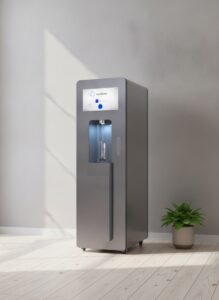
Countertop Models pack full filtration and temperature power into a footprint smaller than a microwave. They utilize vertical space efficiently, leaving your floor open. For those who prefer freestanding units, slim-profile designs fit into tight corners.
Aesthetic Integration is critical for B2C products. These are no longer industrial white boxes. Finishes in brushed stainless steel, matte black, or even custom panel-ready fronts allow the cooler to blend with your kitchen cabinetry.
The Sound of Silence
Old compressors were noisy, vibrating intermittently throughout the day. High-end modern units utilize Inverter Compressor Technology. This runs at variable speeds, maintaining temperature with minimal noise.
Some units utilize thermoelectric cooling for absolute silence, though compressor models are superior for LA’s warmer climate. With advanced insulation, even compressor models now operate at a whisper-quiet decibel level.
This attention to design ensures the appliance adds to the ambiance of your home rather than detracting from it. It respects your space both visually and acoustically.
Feature 7: Durability, High Capacity & Low Maintenance
A residential appliance must withstand the rigors of daily life. "Office-grade" implies a build quality designed for high traffic, which translates to exceptional durability in a home setting. These are machines built to last.
Stainless Steel Reservoirs are standard in top-tier models. Unlike plastic tanks, steel is resistant to biofilm buildup and does not retain flavors. It is more durable and ensures the water tastes pure every time.
High Capacity Output is essential for families or entertaining. A standard home fridge dispenser often trickles water and runs out of cold water after two glasses. A dedicated cooler can dispense gallons of chilled water per hour.
Hassle-Free Ownership
Low maintenance is a key selling point. Automated Self-Cleaning Cycles circulate hot water or ozone through the internal pipes. This removes the need for manual scrubbing of internal components.
Quick-change filter mechanisms allow homeowners to replace cartridges in seconds, similar to changing a lightbulb. No tools or plumber are required. This empowers the user and reduces service costs.
When you buy a cooler with these features, you are investing in longevity. You are purchasing a decade of reliable service, not a disposable plastic gadget.
Feature 8: The Tangible Impact: Data-Driven Benefits
Let’s look at the hard numbers. Making the switch to a bottleless system is an investment, but the amortization period is surprisingly short. Below is a breakdown of the cost and environmental impact over a 5-year period for a family of four.
The chart below illustrates the cumulative cost of hydration strategies. Note how the initial investment of a cooler plateaus, while bottled water costs continue to climb linearly.
5-Year Cost Comparison: Family of 4
Single-Use Bottles
Jug Delivery
Modern Cooler
*Includes hardware cost, filter changes, and average water utility rates.
Real-World Scenarios
The "Eco-Conscious Family in Santa Monica": By switching to a bottleless unit, they saved an estimated 2,000 plastic bottles from entering the recycling stream in one year. Their "Home ROI" includes a reduced carbon footprint aligned with their values.
The "Busy Professionals in Downtown LA": Before the switch, they spent $40/week on sparkling water. The cooler paid for itself in sparkling water savings alone within 14 months, not counting the convenience of not hauling cases from the grocery store.
Feature 9: Choosing Wisely – Expert Buying Guide & Comparison
Navigating the market for the Top Water Cooler Los Angeles has to offer can be overwhelming. To simplify your decision, we must compare the three primary hydration solutions available to homeowners: the Standard Pitcher, the Bottled Cooler, and the Modern Bottleless Cooler.
| Feature | Pitcher Filter | Bottled Cooler | Bottleless Cooler |
|---|---|---|---|
| Filtration Quality | Basic Carbon (Taste/Odor) | Factory Filtered (Stored in Plastic) | Advanced (RO, UV, multi-stage) |
| Convenience | Low (Must refill manually) | Medium (Heavy lifting required) | High (Automatic refill) |
| Temperature | Cold Only | Hot & Cold | Hot, Cold & Sparkling |
| Plastic Waste | Medium (Filter cartridges) | High (Transport & caps) | Zero (Eco-friendly) |
| Long-Term Cost | Medium | High | Low |
Expert Advice for LA Shoppers
When shopping, ask about installation. A Bottleless Water Cooler LA specific installation usually involves connecting to a cold water line, often under a sink or behind a fridge. Ensure the company offers professional installation to avoid leaks.
Check for certifications. Look for NSF/ANSI standards (42, 53, 58) which verify that the filtration claims are tested and proven. This is your guarantee that the unit actually removes the contaminants it claims to.
Feature 10: Seamless Installation & Local LA Support
The final feature isn’t hardware; it’s service. The best water cooler experience includes professional support. In Los Angeles, where plumbing configurations in older homes can be tricky, expert installation is invaluable.
Professional Installation: A qualified technician ensures the unit is connected to your water line safely, with discreet tubing that doesn’t ruin your kitchen’s aesthetic. They also handle the initial flush of the filters.
Local Maintenance: Dealing with a local LA vendor means you have support nearby. If your unit needs a repair or you need help changing a filter, you aren’t calling a generic 1-800 number; you are dealing with local experts who know the area.
Why Local Matters
Local providers understand local water conditions. They might recommend a specific pre-filter for the sediment found in Valley plumbing or a different membrane for the mineral content in Coastal areas. This tailored approach maximizes the lifespan of your unit.
Furthermore, many local services offer rental or lease options. This allows you to have the latest technology with full maintenance included for a low monthly fee, removing the risk of ownership entirely.
Choosing a provider with strong local roots ensures that your investment is protected and your hydration needs are consistently met with speed and expertise.
Frequently Asked Questions for LA Water Cooler Shoppers
Q: Is LA tap water safe enough to use with these coolers?
Yes. In fact, these coolers are designed specifically to transform municipal tap water. While LA tap water meets federal safety standards, it often has taste and hardness issues. A multi-stage cooler removes these, providing water that often exceeds the quality of bottled brands.
Q: How difficult is the installation for a bottleless unit?
It is generally straightforward. A technician connects a thin, food-grade tube to an existing cold water line (usually under your kitchen sink). The tube can be run behind cabinets or baseboards to the cooler location. No major plumbing work is typically required.
Q: How often do I need to change the filters?
This depends on usage and water quality, but typically every 6 to 12 months. Smart coolers will alert you when it’s time. In areas with very hard water, you might change the sediment filter more frequently.
Conclusion: Elevating Your Los Angeles Home with a Modern Water Cooler
We have moved far beyond the era of the office breakroom bubbler. The modern water cooler is a sophisticated health appliance that offers a high "Home ROI." It safeguards your family against contaminants, provides unmatched convenience with instant temperature options, and supports a sustainable lifestyle.
From the financial savings of ditching bottled water to the wellness benefits of increased hydration, the advantages are clear. Features like RO filtration, UV sanitation, and smart connectivity make these units a centerpiece of the modern kitchen.
If you are ready to transform your home’s hydration habits, the time to act is now. Don’t settle for pitcher filters or plastic waste. Search for the Top Water Cooler Los Angeles has to offer and invest in a solution that brings health, luxury, and sustainability to your glass, every single day.
Related Resources
Planning an upgrade? Compare the countertop Jetstream water and sparkling water dispenser — every install starts with a 7-day free trial.