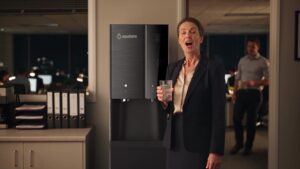
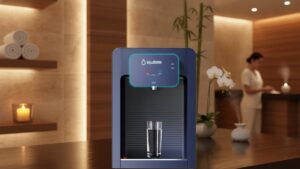
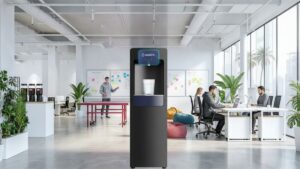
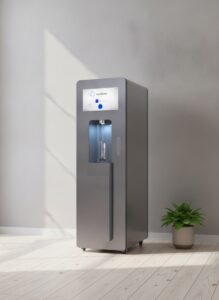
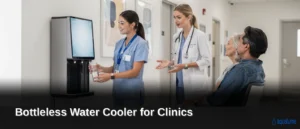
Office bottleless water cooler guide Cost Per Month – Get Quote | CA
Water is the lifeblood of our homes in Long Beach. From the morning coffee in Belmont Shore to the evening bath in Bixby Knolls, we rely on our taps constantly. Yet, confusion surrounds the actual quality of the water flowing through our pipes. Many residents rely on bottled delivery services, often comparing their household expenses to an office water cooler cost per month, wondering if there is a better way.
This guide is your comprehensive resource. We are moving beyond generic reports to provide actionable, specific data for Long Beach homeowners. We will decode the jargon, expose the contaminants, and offer real-world solutions that protect your plumbing and your health.
Whether you are concerned about hardness ruining your appliances or potential toxins affecting your family, this article empowers you to take control. You will learn why relying on simple filters might not be enough and how investigating your water quality is a smarter investment than worrying about an office water cooler cost per month.

1. Unlocking the Secrets of Your Long Beach Tap Water
Understanding your water quality is not just about taste; it is about safety and asset protection. Long Beach has a unique water profile that differs significantly from neighboring Los Angeles communities. Ignoring these details can lead to premature appliance failure and health concerns.
Most public discussions revolve around drought and conservation. While vital, these conversations often overshadow the topic of water purity. Homeowners assume that if the water is legal, it is optimal. This is a dangerous misconception. Legal limits often lag behind current health research.
We believe every resident deserves transparency. You shouldn’t need a degree in chemistry to understand what you are drinking. Our mission is to translate complex municipal data into clear, actionable steps for your household.
The Critical Importance of Understanding Your Home’s Water Quality
Your home’s plumbing is a major investment. Hard water, prevalent in our region, scales up pipes and destroys water heaters. Understanding the mineral content helps you choose the right softener or conditioner, potentially saving thousands in repairs.
Health is the other side of the coin. Certain contaminants, even at legal levels, can affect sensitive individuals. Knowing what is in your water allows you to make informed decisions about filtration, ensuring the safety of infants, the elderly, and pets.
Why Long Beach Residents Need a Home-Specific Guide
Generic “SoCal Water” articles don’t cut it. Long Beach blends groundwater with imported water, creating a specific chemical signature. A solution that works in Santa Monica might be ineffective here. You need localized intelligence.
- Local Infrastructure: Age of pipes varies by neighborhood.
- Source Blending: The ratio of well water to imported water changes.
- Specific Contaminants: Local industrial history impacts groundwater.
By focusing on Long Beach specifically, we can address the exact pollutants and hardness levels you face daily. This isn’t about fear-mongering; it is about precision.

Understanding Your Long Beach Water Source and Treatment
To understand quality, you must understand the source. Long Beach is unique because it is not 100% reliant on imported water. The Long Beach Water Department (LBWD) manages a complex portfolio of water sources that blend together before reaching your tap.
Approximately 60% of our water comes from local groundwater wells. These are situated within the Central Groundwater Basin. This water is pumped from deep underground, treated, and then distributed. This local sourcing is a buffer against drought but introduces specific mineral challenges.
The remaining 40% is imported. This water travels hundreds of miles to get here. It is purchased from the Metropolitan Water District of Southern California (MWD). This blend means your water quality can fluctuate depending on the season and supply availability.
The Diverse Sources Supplying Long Beach Homes
Local Groundwater: Our local wells tap into aquifers that have been replenished over decades. While generally high quality, groundwater naturally picks up minerals from rock formations. This is the primary source of the “hardness” residents notice.
Imported Water: This comes from two main arteries: the Colorado River Aqueduct and the State Water Project (California Aqueduct). Colorado River water is notoriously hard and salty. State Water Project water, from the north, is generally softer but carries higher organic matter, which can react with disinfectants.
📊 Quick Fact: The Source Blend
Did you know? During dry years, Long Beach may rely more heavily on imported water, which can change the taste and hardness of your tap water almost overnight. This variability is why a consistent home filtration system is essential.
How Water is Collected, Treated, and Delivered
Raw water is sent to the Groundwater Treatment Plant. Here, it undergoes a rigorous process. Nanofiltration is used to remove color and some dissolved solids. Then, disinfection occurs, usually involving chlorine and chloramines, to kill bacteria and viruses.
After treatment, the water enters the distribution grid. This is a vast network of pipes beneath our streets. It is here that the final variable enters the equation: the condition of the pipes themselves. Old infrastructure can sometimes re-introduce contaminants like lead or copper.

3. Decoding the Contaminants: What Could Be in Your Long Beach Water?
No water is chemically pure H2O. It is a universal solvent, picking up everything it touches. In Long Beach, the primary concerns fall into a few distinct categories: minerals, disinfectants, and industrial byproducts.
The term “contaminant” sounds scary, but it simply refers to any substance other than water molecules. Some, like calcium, are harmless to health but bad for pipes. Others, like arsenic or volatile organic compounds (VOCs), pose genuine health risks if consumed over long periods.
We have analyzed recent data to identify the most prevalent issues. While the LBWD does an excellent job meeting federal standards, “meeting standards” is not always the same as “ideal for health.” Here is what you need to watch out for.
Common Contaminants Found in Municipal Water Supplies
Hardness Minerals: Calcium and Magnesium are the culprits here. Long Beach water is classified as “moderately hard” to “hard.” While safe to drink, they wreak havoc on skin, hair, and appliances.
Chlorine and Chloramines: Used to kill bacteria, these chemicals are necessary for public safety. However, they give water a bleach-like taste and odor. Chloramines, specifically, are harder to remove than simple chlorine and can be toxic to fish and kidney dialysis patients.
Disinfection Byproducts (DBPs): When chlorine reacts with organic matter in the water, it forms DBPs like Trihalomethanes (THMs). Long-term exposure to high levels of THMs has been linked to increased cancer risks.
Real Long Beach Data: Specific Concerns
Below is a comparison of typical Long Beach water parameters against health guidelines. Note the difference between the legal limit (MCL) and the health goal (PHG).
| Contaminant | Potential Source | Typical L.B. Level | Health Goal (PHG) |
|---|---|---|---|
| Arsenic | Natural deposits, runoff | 2-3 ppb | 0.004 ppb |
| Chromium-6 | Industrial discharge | 0.1 – 0.5 ppb | 0.02 ppb |
| Hardness | Geological erosion | 110-140 ppm | N/A (Aesthetic) |
| TTHMs | Disinfection byproduct | 20-40 ppb | Below 0.8 ppb |

Understanding Your Long Beach Water Source and Treatment
Every year, by July 1st, the LBWD releases its Consumer Confidence Report (CCR). It is a document filled with tables, footnotes, and chemical names. Most homeowners toss it in the recycling bin. This is a mistake.
The CCR is your primary window into the municipal supply. However, it is designed to show compliance, not necessarily perfect safety. It shows averages, which can mask spikes in contamination that might have occurred during specific days or weeks.
Reading this report requires a bit of translation. You need to look past the “Violations: None” summary and look at the “Range of Detections.” This column reveals the highest levels recorded, which is often more relevant to your risk than the annual average.
Step-by-Step Guide to Reading Your Report
1. Locate the Definitions: Find the key for MCL (Maximum Contaminant Level) and MCLG (Maximum Contaminant Level Goal). The gap between these two numbers is where health concerns often lie.
2. Check the Detects: Scan the rows for any substance where the “Level Detected” is greater than zero. Even if it is below the legal limit, its presence is worth noting, especially for vulnerable family members.
3. Identify the Source: The report usually lists the likely source of contamination. “Erosion of natural deposits” usually means it’s coming from the ground. “Industrial runoff” suggests human-made pollution.
The Limitations of Public Reports
The CCR tells you what left the treatment plant. It does not tell you what is coming out of your kitchen faucet. It cannot account for the pipes in your street, the service line to your house, or the plumbing inside your walls.
Lead, for example, rarely comes from the plant. It leaches from old soldering and fixtures in your own home. The CCR will almost always show “Lead: Non-Detected” because they test at the source, not inside your specific living room.
This gap in information is why relying solely on the city’s report offers a false sense of security. It is a baseline, not a guarantee for your specific tap.

5. The Real-World Impact: How Water Quality Affects Your Home and Health
Water quality isn’t just data on a page; it’s the dry skin you feel after a shower. It’s the weird metallic taste in your morning tea. It’s the crusty white residue on your expensive coffee maker. The impacts are tangible and daily.
For families, the stakes are higher. Children consume more water per pound of body weight than adults, making them more susceptible to contaminants. Long-term exposure to trace chemicals can have cumulative effects that aren’t immediately obvious.
Beyond health, water quality is a financial issue. Hard water shortens the lifespan of every water-using appliance you own. From dishwashers to tankless water heaters, minerals accumulate and destroy heating elements, leading to costly replacements.
Health Concerns for Families
Vulnerable Populations: If you have infants mixing formula, the elderly, or anyone with a compromised immune system, “legal” limits might be too high. For example, nitrates and certain microbes pose higher risks to these groups.
Skin and Hair: Chlorine strips natural oils from skin and hair, leading to dryness, irritation, and exacerbating conditions like eczema. Hard water makes it difficult to rinse off soap, leaving a residue that clogs pores.
Household Implications
Plumbing Corrosion: While we worry about scale, water that is too aggressive can corrode copper pipes, leading to pinhole leaks. This is a common and expensive plague in many Southern California homes.
Aesthetics: High Total Dissolved Solids (TDS) can make ice cubes cloudy and tea taste flat. If you are a foodie or a coffee aficionado, the water chemistry directly impacts the flavor profile of your creations.

6. Taking Control: How to Test Your Home’s Water Quality in Long Beach
Since the CCR doesn’t cover your specific home plumbing, private testing is the only way to be sure. This is the first step in diagnosing issues accurately. Guessing leads to buying the wrong equipment.
Many homeowners skip this step, assuming a simple pitcher filter is a cure-all. Without data, you are flying blind. You might be filtering for chlorine when your real problem is lead or chloramines. Testing saves money in the long run.
There are two main paths: DIY strips and professional lab analysis. The difference in accuracy is massive. Understanding which one you need depends on your goals.
When Should You Consider Testing?
New Home Purchase: Before you move in, test the water. It reveals hidden plumbing issues like corroded pipes or lead solder that a standard home inspection will miss.
Sensory Changes: If your water suddenly smells like rotten eggs (sulfur), tastes metallic, or looks cloudy, test immediately. These are signs of a shift in the supply or a breach in your lines.
DIY Home Test Kits vs. Professional Lab Testing
- DIY Strips: Cheap and fast. Good for basic hardness and pH. Terrible for detecting trace toxins like arsenic, lead, or PFAS. Use these for a quick check of basic parameters.
- Lab Testing: You fill bottles and mail them to a certified lab. This provides a legal-grade analysis of hundreds of contaminants. It is more expensive but provides the definitive truth about your water safety.
For Long Beach residents, we strongly recommend a mail-in lab test at least once. It serves as a baseline for any future filtration decisions.

7. Solutions for Your Home: Beating the Office Water Cooler Cost Per Month
Once you have your test results, it is time to look for solutions. Many homeowners hesitate, fearing the upfront investment. They often default to bottled water delivery, assuming it is the easiest fix. They find themselves comparing filtration systems to an office water cooler cost per month.
This comparison is flawed. While an office water cooler cost per month might seem low initially—perhaps $30 to $50—it only provides drinking water. It does nothing for the water you bathe in, cook with, or run through your expensive appliances.
A whole-home or comprehensive under-sink system protects your entire lifestyle. When you amortize the cost of a filtration system over five years, it is drastically cheaper than paying a perpetual office water cooler cost per month for limited gallons.
Point-of-Use (POU) vs. Point-of-Entry (POE)
Point-of-Use (Under-Sink): These systems, like Reverse Osmosis (RO), provide bottled-quality water at the kitchen tap. They are perfect for drinking and cooking. They remove virtually all contaminants, including fluoride and sodium.
Point-of-Entry (Whole House): These are installed where the water line enters your home. They filter every drop. A carbon tank removes chlorine and chemicals, protecting your skin and lungs. A softener removes hardness, protecting your pipes.
Cost Analysis: Filtration vs. Delivery
Let’s look at the numbers. A high-end under-sink RO system might cost $400 plus $50/year in filters. Over 5 years, that is roughly $11/month. Compare that to a standard bottled delivery service.
Stop paying an office water cooler cost per month for your home. Invest in a system that gives you unlimited pure water for pennies on the gallon.
8. Long Beach Specific Concerns & Expert Insights for Homeowners
Long Beach has its own set of urban legends regarding water. Some say the groundwater is tainted by oil drilling; others claim the imported water is full of medication. Sorting fact from fiction requires expert input.
Local water specialists often point to the “chloramine surprise.” Many residents buy carbon filters designed for chlorine, not realizing Long Beach uses chloramines. Standard carbon filters are ineffective against chloramines, leading to frustration when the taste doesn’t improve.
Another specific issue is the “sewer smell” in the morning. This is rarely the water supply. It is usually bacteria growing in the P-trap of the sink drain or the water heater anode rod decaying. Knowing the difference saves on unnecessary plumber visits.
Expert Analysis: Advice from Local Specialists
“The most common mistake I see in Long Beach,” says a local water treatment technician, “is people buying water softeners that are not calibrated for our specific hardness swings. They set it and forget it, but our water source changes. You need a system with metered valves that adapt to usage.”
Experts also warn against “salt-free” softeners for this area. While eco-friendly, they do not remove the minerals. In Long Beach’s hard water, they often fail to prevent scale buildup on high-heat appliances like tankless heaters.
Local Homeowner Stories
Family A in Naples: Plagued by spotted glassware and dry skin, they installed a whole-house conditioner. “It felt like a hotel shower every day,” they reported. The investment paid off when their new dishwasher stayed pristine for years.
Homeowner B in Belmont Shore: Concerned about old pipes, they chose a Reverse Osmosis system. “I stopped buying bottled water immediately. The taste is cleaner than anything I bought at the store.”

9. Community & Advocacy: Protecting Long Beach’s Water Resources Together
Water quality is a community effort. The LBWD actively manages the groundwater basin to prevent seawater intrusion—a constant threat for a coastal city. By injecting fresh water into the ground, they create a barrier against the ocean.
Residents play a role, too. Proper disposal of chemicals and pharmaceuticals is crucial. Flushing meds down the toilet introduces compounds into the wastewater that are difficult for treatment plants to remove, potentially affecting the recycled water loop.
Getting involved means staying informed. Attend local water board meetings or participate in community cleanup events. Protecting our aquifers ensures that future generations of Long Beach residents have access to clean, affordable local water.
How Homeowners Can Contribute
Conserve: Reducing waste lowers the strain on treatment facilities and energy consumption. Fix leaks promptly.
Pollution Prevention: Never dump oil, paint, or chemicals into storm drains. These flow directly to our local waterways and eventually impact the groundwater quality.
Report Issues: If you see a hydrant leaking or notice a strange taste in the municipal supply, report it to LBWD immediately. You are the eyes and ears of the grid.
10. Conclusion: Empowering Your Home’s Water Future in Long Beach
We have traveled from the aquifers beneath our feet to the faucet in your kitchen. You now understand that Long Beach water is a complex blend of local and imported sources, bringing with it specific challenges like hardness and chloramines.
Ignorance is not bliss when it comes to water. It is a recipe for corroded pipes, dry skin, and potential health risks. By testing your water and reading the annual reports with a critical eye, you move from a passive consumer to an informed guardian of your home.
The solutions are within reach. Whether it is a simple under-sink filter or a whole-house treatment plant, the technology exists to give you pristine water. And remember, investing in your own system is far more economical than paying an office water cooler cost per month for the rest of your life.
Your Next Steps
- Order a Test Kit: Don’t guess. Know exactly what is in your pipes.
- Review Your Usage: Determine if you need whole-house protection or just drinking water purification.
- Consult a Local Expert: Find a provider who understands Long Beach water chemistry specifically.
Take control today. Your health, your home, and your wallet will thank you.
Related Resources
- Start Your Free 7-Day Trial
- How Bottleless Water Coolers Save You Money
- Jetstream Compact Water & Sparkling
- Frequently Asked Questions
Want to go deeper? See water service plans for SoCal hotels or check Santa Monica water dispenser service to get started.