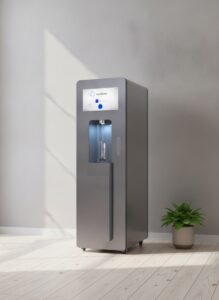
Gym bottleless water cooler guide Features: The Profit-Centric Hydration Hub
In the highly competitive fitness industry, member retention is often decided by the smallest details. While state-of-the-art squat racks and cardio machines draw people in, it is the fundamental amenities that keep them coming back. Among these, the Gym Water Cooler is frequently overlooked, relegated to a utilitarian corner near the locker rooms. However, forward-thinking facility managers are realizing that hydration stations are not just plumbing fixtures; they are strategic assets.
Imagine a member finishing a grueling HIIT session. They are exhausted, dehydrated, and reaching for their bottle. If they are met with a lukewarm, dribbling stream from an antiquated porcelain fountain, their experience dips. Conversely, if they encounter a sleek, rapid-fill station dispensing chilled, purified water, their perception of the gym’s value skyrockets. This is the difference between a utility and an amenity.
For B2B gym owners, selecting the right hydration solution is about more than plumbing; it is about profitability. A premium Gym Water Cooler acts as a “Profit-Centric Hydration Hub,” reducing overhead, eliminating plastic waste, and serving as a tangible symbol of your brand’s commitment to health. This guide explores the essential features that transform a simple dispenser into a powerhouse for business growth.

Beyond Basic Hydration: Defining the Profit-Centric Hydration Hub
The concept of a “Hydration Hub” moves beyond the traditional definition of a water fountain. In the past, a gym’s responsibility ended at providing potable water. Today, the expectation has shifted. Members view their gym as a sanctuary for wellness, and they expect every touchpoint to reflect that, including the water they drink.
A Profit-Centric Hydration Hub is defined by its ability to add value to the business model. It is not a cost center; it is a retention tool. By upgrading to a system that offers premium filtration and bottleless technology, you signal to your members that you care about what they put into their bodies. This builds trust, which is the currency of member loyalty.
Furthermore, a modern hub integrates seamlessly into the facility’s operations. It reduces the labor hours required to manage 5-gallon jugs or clean up spills from antiquated fountains. It aligns with the operational efficiency that successful gym franchises demand. When you stop viewing the Gym Water Cooler as a hardware expense and start viewing it as a member service interface, your criteria for selection changes dramatically.
We are seeing a trend where high-end facilities in areas like Santa Monica and Orange County water cooler rental are using their hydration stations as marketing points. They explicitly list “Purified Hydration Stations” on their tour scripts. This shift proves that water is no longer just a commodity; it is a feature that can tip the scales during a membership sale.
Advanced Filtration & Water Quality: The Foundation of Member Trust and Health
At the core of any premium hydration experience is the quality of the water itself. Gym-goers are health-conscious individuals. They read nutrition labels, track macros, and are increasingly aware of contaminants in municipal tap water. If your facility provides water that tastes like chlorine or has a metallic tang, it undermines the health goals your members are striving for.
Advanced filtration is non-negotiable. A simple sediment filter is not enough. You need systems that employ multi-stage filtration, typically involving activated carbon and, in some cases, Reverse Osmosis (RO). These systems remove sediments, chlorine, lead, and even microplastics, delivering water that tastes crisp and clean.
Consider the psychological impact. When a member fills their shaker bottle with crystal-clear, great-tasting water, they associate that purity with your brand. It subtly reinforces the idea that your gym is a clean, healthy environment. On the flip side, visible limescale or a strange odor from a water cooler can trigger fears about general facility hygiene.
For facilities located in urban centers where pipe infrastructure might be older, ensuring water quality is also a liability safeguard. Providing the highest standard of purified water protects your business and your members. For more insights on how location impacts filtration needs, you might look at our guide on LA’s Best Business Water Coolers, which discusses urban water challenges in detail.
Below is a comparison of standard versus premium filtration outcomes:
| Feature | Standard Public Fountain | Premium Gym Hydration Hub |
|---|---|---|
| Filtration Method | None or Basic Screen | Multi-Stage Carbon / RO |
| Taste Profile | Metallic / Chlorine | Crisp / Neutral |
| Sediment Removal | Minimal | 99.9% Removal |
| Contaminant Protection | Low | High (Lead, Cysts, Bacteria) |
Temperature Control & Dispensing Flexibility: Catering to Peak Performance Needs
Gym members have diverse needs depending on their workout intensity and supplementation routine. A one-size-fits-all temperature setting often fails to satisfy the entire user base. This is where temperature control becomes a critical feature of a superior Gym Water Cooler.
The Need for Chill: During high-intensity cardio or HIIT classes, the body’s core temperature rises significantly. Members crave ice-cold water to help regulate their temperature and feel refreshed. A high-capacity cooling compressor is essential to ensure that the 50th person in line gets water just as cold as the first person did.
The Case for Ambient: Conversely, serious weightlifters and bodybuilders often prefer ambient (room temperature) water. Consuming extremely cold water can sometimes cause cramping or stomach discomfort during heavy lifts. Offering an ambient option demonstrates that you understand the physiological needs of different athletes.
Dispensing Clearance: It is not just about the water; it is about the vessel. Modern gym-goers carry large, reusable bottles—32oz Hydro Flasks, gallon jugs, and tall shaker bottles. Traditional fountains with low clearance make filling these impossible. A specialized gym dispenser must have a high dispense height (often called a “sports bottle filler”) to accommodate these large containers without tilting or spilling.

Uncompromising Hygiene & Sanitation Features: Protecting Your Community’s Well-being
Post-2020, hygiene has moved from a maintenance concern to a primary marketing pillar. Gyms are high-touch environments, and the water cooler is one of the most frequented spots in the facility. If your hydration station is a vector for germs, it becomes a liability.
Modern dispensers mitigate this risk through advanced sanitation technologies. Touchless dispensing is the gold standard. Using foot pedals or infrared sensors allows members to refill their bottles without their hands ever contacting the machine. This significantly reduces the cross-contamination of sweat and bacteria from equipment handles to the water source.
Beyond the dispensing mechanism, the materials matters. Premium units often feature antimicrobial coatings (like silver-ion technology) on the dispense area and drip tray. These surfaces actively inhibit the growth of mold and bacteria. Some advanced units even utilize UV-C light sanitization, which blasts the nozzle with ultraviolet light periodically to sterilize the point of dispense.
Implementing these features shows your members that you are proactive about their safety. It creates a “safe haven” perception that is invaluable for member retention. For a deeper dive into specific hygiene standards required in California and beyond, review our article on Touchless Water Dispensers and Hygiene Standards.
Smart Technology Integration: Data-Driven Hydration Management & Efficiency
We live in the era of the “Smart Gym,” where everything from treadmills to lighting is connected. Your water cooler should not be the exception. Smart technology integration transforms the hydration station from a passive box into an intelligent device that communicates its status to your maintenance team.
Predictive Maintenance: Old coolers break down unexpectedly, leaving a generic “Out of Order” sign that frustrates members. Smart coolers monitor their own performance. They can alert facility managers when a filter is nearing the end of its life or if a leak is detected. This allows for proactive maintenance, ensuring zero downtime.
Usage Metrics: Data is power. Smart dispensers can track the volume of water dispensed daily. This data is incredibly useful for gym owners. A sudden spike in water consumption might correlate with higher attendance, validating a new marketing campaign. It also allows you to calculate the exact number of plastic bottles saved, which is powerful marketing data.
User Experience: On the front end, digital interfaces provide a modern touch. LED screens can display the water temperature, filter status, or even a “Bottles Saved” counter. This gamification encourages members to hydrate more and use the station more frequently, reinforcing the value of the amenity.
Durability, Design, and Space Optimization: Built for the Gym Environment
Gyms are harsh environments for equipment. Weights get dropped, equipment gets bumped, and foot traffic is relentless. A residential-grade water cooler will not survive a month in a busy commercial gym. Durability is paramount when selecting a Gym Water Cooler.
Material Integrity: Look for units constructed with heavy-gauge stainless steel or high-impact ABS plastic. These materials resist dents, scratches, and corrosion from sweat and humidity. The chassis needs to be robust enough to withstand accidental impacts from gym bags or medicine balls.
Space Efficiency: Floor space in a gym is directly tied to revenue. Every square foot taken up by a bulky machine is a square foot that cannot be used for training. Modern bottleless coolers are designed with a slim footprint. Some can even be wall-mounted or recessed, freeing up valuable floor space for stretching areas or additional equipment.
Aesthetic Cohesion: The design should complement your gym’s interior. A clunky, beige plastic box looks out of place in a modern, industrial-chic fitness studio. Sleek, black, or stainless steel finishes blend seamlessly with modern gym aesthetics, maintaining the visual integrity of your brand.
Proper installation is also key to durability. Ensuring the unit is anchored correctly and the plumbing is secure prevents long-term issues. We cover the logistics of this in our Step-by-Step Guide for Water Cooler Installation.
Sustainability & Environmental Stewardship: Enhancing Your Gym’s Green Brand
Sustainability is no longer a niche preference; it is a mainstream demand. A significant portion of the fitness demographic, particularly Millennials and Gen Z, prefer to patronize businesses that demonstrate environmental responsibility. A bottleless Gym Water Cooler is one of the most visible ways to demonstrate this commitment.
By providing a high-quality refill station, you actively discourage the use of single-use plastic bottles. If your gym has 1,000 members and just 20% of them refill a bottle instead of buying a plastic one during their visit, the impact is massive over the course of a year. This is a story you can tell on your social media and in your marketing materials.
Furthermore, you eliminate the carbon footprint associated with delivering heavy 5-gallon jugs to your facility. There are no delivery trucks idling outside, no plastic jugs to store, and no waste to manage. It streamlines your operations while cleaning up the planet.
To visualize the impact, consider a medium-sized gym:
For a detailed breakdown of the financial and environmental savings, read our analysis on How Bottleless Water Coolers Save You Money.
The ROI Equation: How Premium Hydration Drives Profitability
Gym owners often hesitate at the upfront cost of a premium bottleless cooler compared to a cheap rental or a jug-based system. However, when you calculate the Total Cost of Ownership (TCO) and the Return on Investment (ROI), the premium option almost always wins.
Eliminating Variable Costs: With 5-gallon jugs, your costs fluctuate with consumption. In the summer, when members drink more, your bill skyrockets. You also pay for administrative time to order bottles, manage deposits, and store them. A bottleless system has a fixed rental or purchase cost, regardless of how much water is consumed. This provides budget predictability.
Labor Savings: Calculate the man-hours your staff spends lifting 40-pound jugs, restocking fridges, or cleaning up spills. By automating hydration, you free up your staff to focus on sales, cleaning equipment, and member engagement—activities that actually generate revenue.
Retention Revenue: This is the hidden multiplier. If a premium experience prevents just three members from cancelling their membership over a year, the machine often pays for itself. In the B2B context, amenities are retention tools. The cost of acquiring a new member is far higher than the cost of keeping an existing one happy with chilled, filtered water.
Real-World Success Stories: Case Studies of Hydration Hub Transformations
The theory of the “Profit-Centric Hydration Hub” is backed by real-world application. Let’s look at how specific facilities have leveraged this technology to improve their standing in the market.
The Boutique Studio in San Diego: A new chain of high-end studios focused on holistic wellness. They were struggling to differentiate themselves in a saturated market. By installing advanced stations with alkaline options and touchless dispensing, they created a specific webpage detailing their “Pure Hydration Promise.” They optimized this page for keywords like “health-focused gym San Diego.” The result? They attracted a niche audience that valued these specific health amenities, boosting their sign-ups by 15% in the first quarter.
The Big Box Gym in the Bay Area: A large facility with over 3,000 members was drowning in the logistics of 5-gallon jugs. The storage room was cluttered, and staff injuries from lifting bottles were a genuine concern. They switched to high-capacity bottleless Gym Water Coolers. Not only did they reclaim 50 square feet of storage space (which they converted into a supplements retail corner), but they also saved 20% on monthly operational costs. The “Smart Technology Integration” allowed them to monitor usage and prove their green initiatives to their corporate board.
Expert Insights & Frequently Asked Questions for Gym Owners
Q: Will a bottleless cooler handle the volume of a busy Monday night?
Yes, but you must select a “high-capacity” model. Residential units will fail. Look for commercial-grade units with large internal reservoirs and rapid recovery compressors designed for continuous dispensing.
Q: How difficult is the installation?
Installation is generally straightforward if you have a water line nearby. Most commercial providers offer professional installation where they run small, discreet tubing (often through drop ceilings or baseboards) to the machine’s location. It rarely requires major renovation.
Q: Is the water really cleaner than tap?
Absolutely. While municipal water is safe, it travels through miles of aging pipes. The point-of-use filtration in these coolers removes any sediment picked up in transit, as well as chlorine added for city treatment, ensuring the water is fresh at the moment of consumption.
Q: What if the machine leaks?
Premium commercial units come equipped with automatic leak detection and shut-off valves. If moisture is detected inside the unit, the water supply is instantly cut to prevent damage to your gym floor.
Conclusion: Elevating Your Gym’s Value Proposition with a Profit-Centric Hydration Hub
In the modern fitness landscape, every detail counts. A Gym Water Cooler is no longer just a place to get a drink; it is a reflection of your brand’s standards. By upgrading to a Profit-Centric Hydration Hub, you are making a strategic investment in your facility’s future.
From the health benefits of advanced filtration to the operational efficiency of smart technology, the features discussed in this guide offer tangible ROI. They enhance member experience, support sustainability goals, and ultimately drive profitability. Don’t let your hydration station be an afterthought. Make it a centerpiece of your member care strategy.
Whether you manage a boutique studio or a sprawling fitness complex, the right water solution is out there. Assess your needs, prioritize features like hygiene and durability, and choose a solution that hydrates your members while fueling your business growth. A superior Gym Water Cooler is the silent partner in your gym’s success story.
Comparing your options? Take a closer look at the Glacier freestanding ice and water dispenser or see our program for local gyms and fitness studios.