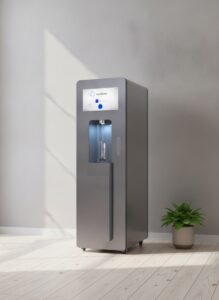
Freestanding bottleless water coolers for Modern Offices: Your Guide to Sustainable and Efficient Office Hydration
In today’s fast-paced work environment, staying hydrated is essential for maintaining productivity and overall well-being. Freestanding bottleless water coolers offer a sustainable and efficient solution for modern offices, eliminating the need for bulky water bottles while providing fresh, filtered water on demand. This guide will explore the key benefits of these innovative hydration solutions, the features to consider when selecting a cooler, and practical tips for choosing the best option for your workplace. By understanding the advantages of bottleless water coolers, you can make an informed decision that supports both your team’s health and the environment.
The integration of such solutions is a key component of comprehensive sustainable water management strategies within commercial office buildings.
Sustainable Water Management in Offices
to play in meeting the challenges and pushing the boundaries of what is possible and devising integrated approaches rather than single solutions to sustainable water management.
Sustainable water management in commercial office buildings, S White, 2003
What Are the Key Benefits of Using Freestanding Bottleless Water Coolers in Modern Offices?
Freestanding bottleless water coolers provide numerous advantages for modern offices, making them an ideal choice for hydration solutions. These systems connect directly to the building’s water supply, ensuring a continuous flow of fresh, filtered water.
- Sustainability: By eliminating the need for single-use plastic bottles, bottleless water coolers significantly reduce plastic waste. This shift not only benefits the environment but also aligns with corporate sustainability goals.
- Cost Savings: Businesses can save money in the long run by avoiding the recurring costs associated with purchasing bottled water. The initial investment in a bottleless cooler is often offset by these savings.
- Health Advantages: Access to clean, filtered water encourages employees to stay hydrated, which can lead to improved focus, energy levels, and overall health.
How Do Bottleless Water Coolers Promote Sustainability and Reduce Plastic Waste?

Bottleless water coolers play a crucial role in promoting sustainability by reducing the reliance on plastic bottles. According to recent estimates, the average office worker uses approximately 167 plastic water bottles each year. By switching to a bottleless system, offices can significantly decrease their plastic footprint, contributing to a healthier planet. Additionally, many bottleless coolers utilize advanced filtration systems that ensure the water is not only free from contaminants but also tastes great, further encouraging employees to choose water over sugary beverages.
This focus on reducing plastic consumption aligns with broader efforts to minimize waste, as highlighted by research into sustainable practices.
Plastic Waste Reduction & Recycling
Every year, thehospitalityindustry creates millions of tons of avoidable waste globally. While conspicuous consumption is the hallmark of the industry, leaders of the industry have come to the realization that it cannot go on forever. Added to that, the surge of eco-conscious guests and other pressure groups provide the industry players an increased level of impetus for introducing positive change in terms of waste reduction andrecycling. Employing a combination of systematic literature review and grounded case studies, this paper addresses the current effort thehospitalityindustry is undertaking to reduce waste and recycle plastic goods and the challenges to be overcome in that process.
Plastic recycling and waste reduction in the hospitality industry: Current challenges and some potential solutions, B George, 2019
What Cost Savings and Health Advantages Do Offices Gain?
The financial benefits of bottleless water coolers are substantial. Businesses can save hundreds of dollars annually by eliminating the need for bottled water deliveries. For example, a typical office that spends $1,200 a year on bottled water could redirect those funds towards a bottleless water cooler, which may cost around $500 to $1,000 upfront, depending on the model. Furthermore, the health advantages are significant; studies show that staying hydrated can enhance cognitive function and reduce fatigue, leading to a more productive workforce.
Which Features Should You Look for in a Commercial Bottleless Water Cooler for Your Office?
When selecting a commercial bottleless water cooler, it’s essential to consider various features that can enhance the user experience and ensure optimal performance.
- Filtration Systems: Look for coolers equipped with advanced filtration technologies, such as reverse osmosis and UV purification, which effectively remove impurities and enhance water quality.
- Temperature Options: Many bottleless coolers offer hot, cold, and ambient water options, catering to different preferences and needs within the office.
- Hygiene Features: Consider models with touchless dispensing and self-cleaning capabilities to maintain hygiene and reduce the risk of contamination.
How Do Advanced Filtration Systems Like Reverse Osmosis and UV Purification Enhance Water Quality?

Advanced filtration systems, such as reverse osmosis, work by forcing water through a semipermeable membrane, effectively removing contaminants, including heavy metals, chlorine, and other impurities. UV purification, on the other hand, uses ultraviolet light to inactivate bacteria and viruses, ensuring that the water is safe for consumption. Together, these technologies provide a comprehensive solution for delivering high-quality drinking water, making them essential features in any bottleless water cooler.
What Are the Benefits of Hot, Cold, Ambient Water and Ice Maker Options?
Having multiple temperature options in a bottleless water cooler enhances convenience and caters to various preferences. Cold water is refreshing during hot days, while hot water is perfect for making tea or instant soups. Additionally, some models come with built-in ice makers, providing a continuous supply of ice for beverages. This versatility makes bottleless coolers a valuable addition to any office environment.
How to Choose the Best Freestanding Office Water Dispenser for Your Workplace Needs?
Selecting the right freestanding office water dispenser involves evaluating several factors to ensure it meets your workplace’s specific needs.
- Capacity and Size: Consider the number of employees and the expected water consumption. Larger offices may require coolers with higher capacities to meet demand.
- Hygiene Features: Touchless dispensers and self-cleaning options can significantly improve hygiene, especially in shared environments.
What Capacity and Size Options Suit Small to Large Offices?
For small offices, a compact bottleless cooler with a capacity of 3–5 gallons per day may suffice, while larger offices should consider models that can handle 10 gallons or more per day. It’s essential to assess the number of employees and their hydration habits to choose a model that will consistently meet demand without running out of water.
How Do Touchless and Self-Cleaning Features Improve Hygiene?
Touchless water dispensers minimize contact points, reducing the risk of germ transmission. Self-cleaning features, which often utilize UV light or other sanitizing methods, ensure that the water reservoir and dispensing area remain clean and free from bacteria. These features are particularly important in office settings where multiple individuals use the same equipment.
What Are the Installation and Maintenance Requirements for Office Bottleless Water Coolers?
Installing a bottleless water cooler typically involves connecting it to the building’s water supply, which may require professional assistance. Regular maintenance is also essential to ensure optimal performance and water quality.
- Installation Process: A plumbed-in system requires a direct connection to the water line, which may involve drilling and plumbing work.
- Maintenance Best Practices: Regular filter replacements and sanitization are crucial for maintaining water quality and ensuring the longevity of the cooler.
How Is a Plumbed-In System Installed and Maintained?
The installation of a plumbed-in system generally requires a licensed plumber to connect the cooler to the existing water supply. This process ensures that the cooler receives a consistent flow of water. Maintenance involves replacing filters every 6–12 months, depending on usage, and performing routine sanitization to prevent bacterial growth.
What Are Best Practices for Filter Replacement and Sanitization?
To maintain optimal water quality, it’s essential to follow best practices for filter replacement and sanitization. Filters should be replaced according to the manufacturer’s recommendations, typically every 6–12 months. Additionally, regular cleaning of the cooler’s exterior and internal components helps prevent contamination and ensures that the water remains fresh and safe to drink.
| Feature | Description | Benefits |
|---|---|---|
| Filtration System | Advanced filtration technologies like reverse osmosis and UV purification | Ensures high-quality, safe drinking water |
| Temperature Options | Hot, cold, and ambient water settings | Provides versatility for different preferences |
| Hygiene Features | Touchless dispensing and self-cleaning capabilities | Reduces contamination risk and improves hygiene |
Freestanding bottleless water coolers represent a sustainable and efficient hydration solution for modern offices. By understanding their benefits, features, and maintenance requirements, businesses can make informed decisions that enhance employee wellness and contribute to environmental sustainability.
These efforts contribute to the broader goal of creating sustainable office environments and innovative workspace solutions.
Sustainable Office Building Solutions
The paper presents the DIGITALO project and its targets, introduces principles of sustainable office buildings, describes the capabilities of new work space solutions to support
Seeking sustainable solutions for office buildings, T Häkkinen, 2007