Exploring the Pros and Cons of Office Water Coolers: What You Need to Know About bottleless water cooler Benefits and Business Solutions
Office water coolers provide a simple, visible way to deliver drinking water across workplaces, but choosing between bottled and bottleless systems requires weighing hydration, cost, hygiene, and environmental impact. This article explains what office water coolers are, summarizes the most common pros and cons of office water coolers, and digs into why bottleless water coolers are increasingly favored by sustainability-minded businesses. Readers will learn how different dispenser types compare, how filtration technologies like Reverse Osmosis and UV Purification affect water quality, and how to estimate return on investment for office hydration solutions. Practical checklists, comparison tables, and short case-style examples help procurement and facilities teams decide which commercial water appliance fits their needs. Finally, Southern California organizations can see how a local provider positions zero-waste, personalized installation, and trial options to reduce plastic waste and long-term operating costs.
What Are the Key Benefits of Office Water Coolers for Businesses?
Office water coolers are centralized hydration solutions that increase water access, support employee wellness, and reduce reliance on single-use bottled water. By placing dispensers in communal areas, businesses encourage regular fluid intake, which improves focus and reduces fatigue through straightforward behavioral nudges. Filtered dispensers also deliver taste and safety benefits that can reduce complaints and perceived water quality issues, while modern models provide hot and cold outputs for beverages and hygiene. These operational and wellbeing gains translate into measurable workplace advantages when paired with selection and placement strategies that maximize usage and minimize friction.
How Do Office Water Coolers Enhance Employee Hydration and Productivity?
Easy access to water increases consumption by removing barriers such as travel distance or effort, and this accessibility directly supports cognitive performance through improved hydration. Recent workplace studies indicate that even mild dehydration reduces concentration and increases perceived effort, so a visible dispenser can lower short breaks and sustain attention across the day. Practical steps—placing dispensers near collaborative zones, pairing them with visible signage, and offering both cold and ambient options—further increase use and reinforce healthy habits. These behavioral design choices tie hydration to productivity metrics, creating a simple, low-cost intervention for employee wellness programs.
Workplace Hydration: Essential for Employee Health, Safety, and Productivity
Hydration Water is an essential and necessary nutrient for good hydration and should not be overlooked in the workplace. Good hydration is important to workers’ health and safety. Even minimal dehydration can lead to fatigue, reduced concentration, and impaired cognitive function, impacting overall productivity and well-being.
Water and hydration in the workplace, 2015
What Health and Wellness Advantages Do Filtered Water Dispensers Provide?
Filtered water dispensers reduce contaminants such as chlorine taste, sediment, and some chemical traces through multi-stage systems that often include carbon filtration, Reverse Osmosis (RO) membranes, and UV light sanitization. Removing or reducing these substances improves palatability and can lower complaints about municipal water taste, which indirectly increases consumption and satisfaction. Hot-water capability supports safe beverage preparation and quick sanitation tasks, while filtration lowers perceived risk and potential liability tied to water quality concerns. Clear maintenance protocols and scheduled filter replacement are essential to preserve these health benefits over time.
Effectiveness of Reverse Osmosis and UV Water Treatment for Drinking Water Quality
In this study, RO and UV water treatment proved effective in removing impurities and improving the quality of drinking water. RO treatment resulted in significantly lower levels of total dissolved solids (TDS) and other contaminants compared to UV treatment alone. However, UV treatment was found to be effective in inactivating microorganisms.
Comparative analysis of the effectiveness of reverse osmosis and ultraviolet radiation of water treatment, UC Okonkwo, 2019
How Do Water Coolers Support Workplace Culture and Social Interaction?
A centralized water station becomes a natural touchpoint for informal conversations, brief collaborations, and social exchange that strengthen workplace rapport. When positioned thoughtfully—near break areas or collaboration hubs—coolers invite short interactions that can foster cross-team connections and serendipitous idea-sharing. Employers report that communal amenities contribute to retention and morale because small shared rituals build a sense of belonging. Design and placement strategies that prioritize aesthetics and traffic flow help convert dispensers into positive cultural fixtures rather than logistical obstacles.
What Are the Common Drawbacks of Traditional Bottled Water Coolers?
Traditional bottled water coolers rely on delivery logistics, physical bottle handling, and storage that create operational friction and hidden costs for businesses. Delivery schedules must be coordinated, storage space allocated, and staff may need to manage bottle replacement and lift heavy loads, introducing safety and time costs. Single-use or refillable plastic bottles contribute to waste streams and often create unpredictable recycling outcomes, increasing an office’s environmental footprint. Hygiene concerns—such as contaminants at the bottle neck, improper cleaning, or tap contamination—add another layer of operational risk and potential liability for facilities managers.
What Are the Logistics and Maintenance Challenges of Bottled Water Coolers?
Bottled water systems require regular deliveries, secure storage areas, and manual labor to swap heavy bottles, which can strain small facilities teams and introduce scheduling complexity. Missed deliveries or supply chain delays can interrupt service, and excess inventory consumes valuable office space that could be used for other purposes. Safety incidents from lifting heavy bottles are a known operational risk, especially in smaller workplaces without dedicated facilities staff. These logistical challenges create indirect costs that often go unaccounted for in procurement decisions.
How Does Plastic Waste from Bottled Water Impact the Environment?
Single-use and bulk plastic bottles generate significant waste and contribute to a broader carbon footprint from production and transport. Even when recycled, plastic processing requires energy and infrastructure that lessens net environmental benefit, especially in regions with constrained recycling capacity. For businesses, the visible presence of bottles can undermine sustainability goals and ESG reporting unless offset by comprehensive recycling programs. Switching to alternatives reduces the number of bottles handled annually and provides a clearer pathway for tracking and reporting waste reductions.
Intro to comparison table: The following table compares key attributes of bottled water delivery and bottleless dispensers to clarify operational drawbacks and sustainability differences.
| Attribute | Bottled Water Delivery | Bottleless Water Dispensers |
|---|---|---|
| Logistics | Regular deliveries, storage needs | Plumbed-in or point-of-use, no deliveries |
| Cost Drivers | Per-bottle fees, transport, storage | Upfront installation, ongoing maintenance |
| Waste Profile | High single-use plastic volume | Minimal single-use plastic; lower waste |
| Contamination Risk | Bottle necks and manual handling | Filtration + UV; depends on maintenance |
| Space Requirements | Requires storage area | Smaller footprint for countertop models |
This table highlights that bottled delivery shifts burden to logistics and waste management, while bottleless systems trade those burdens for maintenance and installation tasks that are often easier to schedule and measure.
What Hygiene and Contamination Risks Are Associated with Bottled Water Coolers?
Bottled coolers can expose water to contamination through repeated manual handling, bottle exchange, and tap exposure, and inadequate cleaning accelerates microbial growth on dispensers. Taps and bottle necks are common vectors, and inconsistent sanitization schedules compound risks. Facilities that adopt process controls—regular sanitation, staff training, and strict supplier hygiene standards—reduce exposure but add operational overhead. In contrast, plumbed systems with sealed filtration and UV sanitization can lower contamination vectors when paired with routine maintenance by a qualified provider.
Why Choose Bottleless Water Coolers as a Sustainable Office Hydration Solution?
Bottleless water coolers connect directly to a building’s supply and use on-site filtration to deliver hot and cold water without recurring bottle deliveries, producing dramatic reductions in plastic waste and transport emissions. Advanced filtration technologies—such as RO membranes, carbon filters, and UV Purification—remove a wide range of contaminants and improve taste, while reducing per-unit cost over time. Personalized installation and ongoing maintenance ensure systems operate reliably and maintain hygiene standards, converting operational complexity into predictable service tasks. For businesses evaluating ROI, bottleless systems present clear environmental and economic advantages when usage is moderate to high.
How Does Aqualume’s Advanced Filtration Technology Improve Water Quality?
Aqualume positions advanced filtration combinations—including RO and UV light sanitization—to reduce dissolved solids, organic contaminants, and microbial risk, improving both safety and taste for workplace water. RO membranes remove a broad spectrum of dissolved contaminants, while UV Purification provides an additional in-line sanitization step that inactivates microbes without chemicals. Regular filter replacement and scheduled sanitization preserve these benefits, and clear service plans help facilities teams maintain performance. These filtration components—the meronyms of a bottleless system—work together to deliver consistent water quality suited for office consumption.
What Cost Savings and ROI Can Businesses Expect from Bottleless Water Coolers?
Bottleless systems typically require higher upfront installation cost but yield lower ongoing per-liter costs compared with bottled delivery once a business exceeds modest consumption thresholds. Savings drivers include elimination of delivery fees, reduced storage needs, and lower labor for bottle handling; payback periods commonly fall within one to three years depending on office size and usage. Sample scenarios show small offices reach break-even faster than medium-sized workplaces with moderate usage, and higher-volume sites see amplified savings. Using an interactive calculator helps model specific outcomes by factoring headcount, daily cups per person, and local delivery pricing.
How Does Aqualume’s Zero Waste Commitment Benefit Southern California Businesses?
Aqualume emphasizes zero waste outcomes by removing recurring bottle deliveries and documenting plastic waste reductions, which helps businesses pursue local sustainability goals and simplified ESG reporting. Reduced truck transport and fewer single-use containers lower a company’s visible environmental footprint and often translate into measurable reductions in pounds of plastic diverted annually. For Southern California organizations, where corporate social responsibility and local sustainability initiatives are prominent, such reductions support public-facing sustainability claims and internal culture. Showcasing concrete waste metrics from bottleless adoption helps marketing and operations align around measurable environmental wins.
What Personalized Services Does Aqualume Offer for Installation and Maintenance?
Aqualume offers tailored Water Cooler Installation that assesses space, aesthetics, and usage to match countertop coolers or freestanding water coolers to workplace needs, and ongoing Water Cooler Maintenance that schedules filter changes and sanitization to preserve performance. A structured onboarding process typically includes a consultation to determine flow rates, access points, and preferred features such as ice maker modules or sparkling CO2 systems for specialty dispensers. Predictable maintenance cadences reduce in-house burden and create clear accountability for water quality and uptime. This full-service approach converts technical requirements into manageable service tasks for facilities teams.
How Do Different Types of Office Water Coolers Compare for Business Needs?
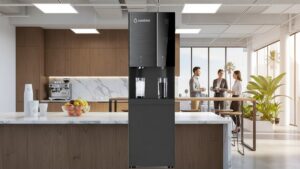
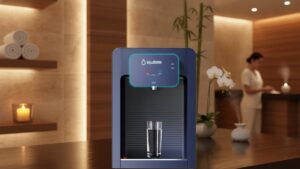
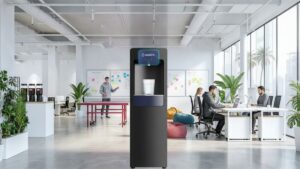
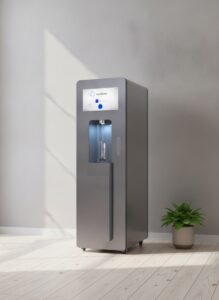
Different dispenser types—countertop coolers, freestanding units, ice-maker equipped dispensers, and sparkling water dispensers—serve distinct use cases based on capacity, footprint, and desired features. Countertop coolers are compact and fit small kitchens or break areas, while freestanding water coolers support higher volumes and more visible placement. Ice makers add complexity and sanitary needs but are valuable for hospitality settings, and sparkling dispensers require CO2 modules and additional maintenance. Selecting the right appliance depends on usage patterns, space constraints, and organizational priorities such as aesthetics or beverage offerings.
Intro to dispenser comparison table: The table below summarizes capacity, features, maintenance, and ideal use cases for common dispenser types.
| Dispenser Type | Capacity / Feature | Use Case |
|---|---|---|
| Countertop coolers | Small footprint; countertop plumbed or point-of-use | Small offices, satellite kitchens |
| Freestanding water coolers | Higher capacity; visible presence; plumbed options | Medium to large offices, lobbies |
| Water coolers with ice makers | Built-in ice production; more maintenance | Restaurants, hotels, breakrooms with catering |
| Sparkling water dispensers | CO2 system; carbonation control | Premium hospitality, client-facing spaces |
This comparison clarifies trade-offs among dispenser types so procurement teams can weigh footprint, capacity, and maintenance before selecting equipment.
What Are the Features of Countertop, Freestanding, Ice Maker, and Sparkling Water Dispensers?
Countertop models deliver compact, point-of-use filtration with simple installation and lower upfront cost, making them ideal for small teams and modular offices. Freestanding units offer higher flow rates and a more commanding presence for communal areas, often with larger filtration housings and easier access for maintenance tasks. Water coolers with ice makers include an ice maker module that increases service complexity and cleaning frequency but adds hospitality value. Sparkling dispensers incorporate a CO2 system for carbonation, requiring specialized maintenance and occasional gas replacement; they are best used where premium beverage options support customer-facing brand experience.
How Do You Choose the Right Water Cooler for Hotels, Restaurants, Schools, and Workplaces?
Selection criteria should include expected daily volume, hygiene priorities, aesthetic requirements, and maintenance capacity for the chosen model, with different industries prioritizing different features. Hotels and restaurants often value ice makers and sparkling options for guest experience, while schools prioritize durability, hygiene, and filtered cold water for students. Workplaces balance cost and convenience, choosing freestanding or countertop solutions based on headcount and layout. Procurement checklists that estimate daily liters per person, available plumbing, and maintenance responsibilities help narrow choices quickly.
- Selection checklist for buyers:
Estimate daily water demand based on headcount and beverage patterns.
Evaluate available plumbing and electrical capacity for units.
Assess maintenance capability or desire to outsource to a provider.
These steps streamline decision-making and reduce the risk of overspending on unnecessary features or under-specifying capacity.
What Are the Environmental and Economic Impacts of Switching to Bottleless Water Coolers?
Switching to bottleless water coolers reduces the volume of single-use plastic entering waste streams and lowers transport-related emissions from regular deliveries. Economically, businesses often observe lower per-liter costs and reduced labor associated with bottle handling, and these savings accumulate over multi-year horizons to offset installation expenses. Evaluating environmental benefits alongside long-term financials creates a robust business case that aligns sustainability goals with operational efficiency. Integrating waste reduction metrics into ESG reporting further amplifies corporate value from the switch.
How Does Bottleless Water Reduce Plastic Waste and Carbon Footprint?
Bottleless systems eliminate recurring deliveries of large plastic bottles and thereby cut the number of single-use containers handled annually, directly reducing a facility’s plastic waste. Transport reductions from eliminating delivery routes decrease vehicle emissions tied to office hydration, and net lifecycle impacts improve when filtration extends the usable life of infrastructure. For Southern California businesses, local waste management constraints make plastic reduction especially tangible, as fewer bottles simplify onsite sorting and lower reliance on external recycling streams.
What Are the Long-Term Financial Benefits Compared to Bottled Water Delivery?
Over a 3–5 year horizon, businesses typically recoup installation costs through eliminated delivery fees, lower per-liter prices, and reduced labor for bottle handling, with payback periods influenced by daily usage and local delivery pricing. Hidden costs of bottled delivery—storage rental, manpower for bottle swaps, and disrupted supply—inflate total ownership costs. Running scenario analyses for multiple consumption levels clarifies sensitivity and helps procurement teams forecast cashflow impacts. These multi-year models often show significant net savings for offices with steady daily consumption above modest thresholds.
How Can Businesses in Southern California Experience Aqualume’s Bottleless Water Solutions?
Southern California businesses interested in testing bottleless solutions can evaluate systems through a structured trial and consultation that demonstrates water quality, usability, and service expectations before committing to a long-term arrangement. Aqualume’s 7 Day Free Trial gives workplaces hands-on time to assess taste, flow rates, and user acceptance, while a Free Consultation helps determine the right equipment—whether countertop coolers, freestanding water coolers, systems with ice makers, or sparkling water dispensers. Localized service ensures installation and maintenance plans are tailored to Southern California building conditions and usage patterns.
What Does Aqualume’s 7-Day Free Trial and Consultation Include?
The 7 Day Free Trial includes on-site demonstration of a bottleless water dispenser with built-in filtration so businesses can test taste, temperature consistency, and daily usability without obligation. The Free Consultation evaluates site needs, recommends suitable bottleless water dispensers, and outlines Water Cooler Installation logistics and a proposed Water Cooler Maintenance schedule. Trial evaluation metrics typically include user satisfaction, measured consumption change, and ease of maintenance; these metrics inform procurement decisions and reduce buyer risk.
After the trial, businesses receive a tailored recommendation and next-step options.
How Does Aqualume Provide Ongoing Support and Maintenance?
Aqualume’s Water Cooler Maintenance plans schedule regular filter replacements, sanitization, and response windows to address service needs, converting technical upkeep into predictable operational tasks. Clear service steps include initial setup, periodic on-site maintenance visits, and a documented replacement cadence for RO membranes, carbon filters, and UV lamp checks as applicable. Outsourcing these tasks reduces internal staff burden and ensures consistent water quality and uptime. Reliable maintenance also protects the ROI case by preventing performance degradation that can erode savings over time.
What Are the Frequently Asked Questions About Office Water Coolers and Bottleless Solutions?
This FAQ section answers high-priority questions procurement teams and facilities managers commonly pose when evaluating office hydration solutions, using concise responses and quick examples to support decision-making. The answers below summarize main pros and cons, explain why bottleless systems often outperform bottled delivery on sustainability and cost, and provide guidance on expected maintenance and savings estimates.
What Are the Main Pros and Cons of Office Water Coolers?
Office water coolers offer clear hydration access, improved employee wellness, and options that can reduce plastic waste, but they also carry trade-offs in logistics, maintenance, and upfront cost depending on the system chosen. Pros include increased consumption, better taste and temperature control, and cultural benefits from communal stations. Cons include delivery logistics for bottled systems, storage needs, and the maintenance demands of bottleless filtration. The best choice depends on office size, daily consumption, sustainability goals, and whether a provider-managed maintenance plan is preferred.
Why Is a Bottleless Water Cooler Better Than a Bottled One?
Bottleless systems are generally better for sustainability and long-term cost because they eliminate recurring bottle deliveries, reduce single-use plastic, and lower handling labor; filtration technology preserves water quality while minimizing waste. Bottleless options also offer consistent performance when paired with regular maintenance, and they align more closely with zero-waste initiatives. Bottled delivery may still be chosen where plumbing constraints exist or for very low-use, temporary sites where installation is impractical.
How Much Can a Business Save with a Bottleless Water Cooler?
Savings depend on headcount, daily usage, and local delivery pricing, but many businesses see paybacks within 1–3 years as delivery fees and bottle-handling labor are eliminated. A simple scenario: a 50-person office that consumes moderate daily volumes typically offsets installation costs within two years and achieves lower annual operating costs thereafter. To get precise estimates, model daily liters per person, current delivery cost per bottle, and projected maintenance fees for bottleless systems.
What Maintenance Is Required for Bottleless Water Dispensers?
Routine maintenance includes scheduled filter replacements (carbon, RO membranes), periodic UV lamp checks where applicable, and sanitary cleans of dispensing surfaces and drip trays. Recommended service frequency varies by filtration type and usage but commonly includes quarterly filter checks and annual membrane replacements for high-use sites. Outsourcing Water Cooler Maintenance to a provider simplifies adherence to schedules and ensures that water quality and system uptime remain consistent over time.