Bottleless vs. Bottled: Which Drinking Water Solution Works Best for Southern California Businesses?
Southern California workplaces deciding how to provide drinking water typically face two practical choices: install plumbed, bottleless filtration systems or continue with scheduled bottled water deliveries. This guide lays out the real differences — cost, environmental footprint, hygiene, and day‑to‑day operations — so facility managers and operations teams can choose the option that aligns with sustainability goals, supports employee health, and fits existing workflows. We describe how each system operates, compare recurring expenses, summarize environmental impacts, and review the key health considerations. the benefits of bottleless water dispensers
What Are bottleless water coolers and Traditional Bottled Water?
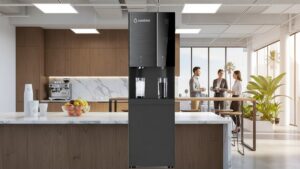
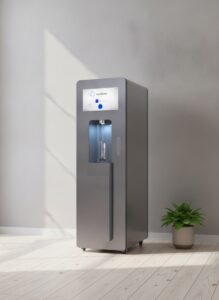
Bottleless water coolers are plumbed units that filter your building’s water supply and deliver it on demand — no heavy single‑use bottles to order, store, or lift. That setup removes recurring bottle purchases and delivery fees and cuts the plastic waste and transport emissions tied to bottled deliveries. The benefits of bottleless water dispensers are numerous for both the environment and convenience.
Traditional bottled water relies on repeat shipments of large plastic containers. That model usually means higher ongoing costs, extra storage needs, and more single‑use plastic entering the waste stream. the benefits of bottleless water dispensers from aqualume.
Research underscores the economic and environmental trade‑offs associated with bottled water.
Bottled Water: Economic Viability & Environmental Impact
Studies have recorded stark price differences: bottled water can cost on the order of 2,000 times more than tap water, a disparity shaped by market and regulatory factors in the bottled‑water sector.
Bottled water: an evidence-based overview of economic viability, environmental impact, and social equity — Y. Parag, 2000
What Is a Bottleless Water Cooler and How Does It Work?
A bottleless water cooler ties directly into the building’s water line and filters at the point of use, offering a steady supply without bulky bottles.
Typical installation steps include: faq bottleless water cooler dispenser
- Site assessment: A technician checks the location and evaluates the incoming water.
- Connection: The unit is integrated into the facility plumbing.
- Testing: Filters, flow rate, and safety systems are verified to ensure proper operation.
Routine maintenance — including replacing filters every 6 to 12 months depending on usage and local water quality — keeps performance consistent and drinking water safe.
What Defines Traditional Bottled Water and Its Delivery Methods?
Traditional bottled water arrives in large plastic containers that are exchanged on a delivery schedule. Deliveries create logistical demands: dedicated storage space, coordinated drop‑offs, and manual handling of heavy bottles. Over time, that model adds to operating costs and generates single‑use plastic waste.
How Do Filtered Water Systems Compare to Bottled Water in Cost for Businesses?
Many organizations find that bottleless water coolers lower long‑term operating costs. Removing the need for repeated bottle purchases and deliveries usually produces noticeable savings — especially in higher‑demand workplaces. In most cases, maintenance for plumbed systems is predictable and less costly than ongoing bottled‑water expenses.
What Financial Savings Can Businesses Expect with Bottleless Water Coolers?
Companies that switch to bottleless water coolers commonly see operating costs decline over time as delivery fees and bottle‑handling expenses disappear. For workplaces with substantial water use, those savings add up quickly, and maintenance is straightforward to budget for.
What Hidden Costs Are Associated with Traditional Bottled Water?
Hidden costs tied to bottled water include ongoing purchase and delivery charges, space set aside for storage, and occasional extra maintenance for bottle dispensers. These recurring expenses can strain budgets, particularly for businesses that consume a lot of water.
What Is the Environmental Impact of Bottleless Water Coolers Versus Bottled Water?
Bottleless systems offer clear environmental advantages: they remove most single‑use plastic bottles from the supply chain and cut the emissions associated with repeated deliveries. Many plumbed units also use energy‑efficient components, which improves their overall eco profile. For more information, visit the benefits of bottleless water dispensers from aqualume.
Additional studies support the environmental benefits of tap‑based solutions over bottled alternatives.
Environmental Impact: Tap Water vs. Bottled Water Footprint
Using Ecological and Carbon Footprint measures, tap water showed roughly 300 times lower values than bottled water in some assessments. Water Footprint values were closer between the two, with comparable averages reported. The integrated footprint results were used to estimate savings from drinking tap water, and the study examined reduction opportunities across PET, PLA (polylactic acid), and glass bottling. Overall, tap water consumption offered notable reductions in water withdrawal and related impacts versus bottled alternatives.
Tap water vs. bottled water in a footprint integrated approach, 2009
How Do Bottleless Systems Reduce Plastic Waste and Promote Sustainability?
By removing single‑use bottles from daily operations, bottleless systems cut plastic pollution and help businesses meet corporate sustainability targets. Fewer deliveries also mean lower transport emissions, making bottleless water dispensers a strong option for companies pursuing greener operations.
In What Ways Do Bottleless Water Coolers Lower Carbon Footprint Compared to Bottled Water?
Bottleless coolers reduce carbon emissions by avoiding the production, packaging, and repeated transport of large plastic bottles. When paired with energy‑efficient components, plumbed systems typically produce a smaller overall environmental footprint than traditional bottled models. the benefits of bottleless water dispensers
How Does Water Quality and Health Differ Between Filtered Water and Bottled Water?
Water quality matters for workplace health. Properly maintained modern filtration systems can deliver water that equals or surpasses many bottled options. Below we summarize the benefits of Aqualume’s multi‑stage filtration and key health considerations for bottled water.
What Are the Benefits of Aqualume's Advanced 7-stage Filtration System?
Aqualume’s 8‑stage filtration offers several practical benefits:
- Tap water purification: Converts municipal water into fresh, drinkable water on demand.
- Multiple filtration stages: Sediment removal and activated carbon reduce chlorine, odors, and other impurities to improve taste.
- Advanced treatment options: Select models include UV or reverse osmosis to address microbes and dissolved solids.
- Convenience: No heavy bottles to lift or store.
- Sustainability: Cuts single‑use plastic waste.
- Health protection: Point‑of‑use treatment helps lower microbial risks when systems are serviced regularly.
Peer‑reviewed research supports the role of well‑designed multi‑stage filtration in improving water quality and reducing health risks when systems are properly operated and maintained.
Multi-Stage Filtration for Improved Drinking Water Quality
Evaluations of simplified, multi‑stage drinking water treatments show these approaches can improve water quality and reduce disease risk without introducing significant environmental or human health hazards.
A coagulation process combined with a multi-stage filtration system for drinking water treatment: An alternative for small communities — C.C. Castro-Jiménez, 2022
What Health Concerns Exist Regarding Bottled Water Quality?
Bottled water is generally safe and regulated, but contamination risks can occur if bottles or dispensers are stored or handled improperly. Regular cleaning and correct storage are important to preserve bottled‑water quality.
Which Option Offers Greater Convenience and Operational Efficiency for Offices?
When convenience and operational efficiency are priorities, bottleless water coolers often lead. Below are the operational advantages of plumbed systems and the typical challenges of bottled water programs.
What Convenience Advantages Do Bottleless Water Coolers Provide?
Bottleless systems provide clear operational benefits:
- Continuous supply: Direct plumbing reduces the chance of running out between deliveries.
- No heavy bottles: Staff avoid lifting and replacing bulky containers.
- Lower recurring costs: Eliminating deliveries and bottle purchases reduces ongoing expenses.
What Operational Challenges Are Common with Traditional Bottled Water?
Bottled water programs require regular bottle swaps and dedicated storage and can introduce contamination risks if dispensers or bottles aren’t properly maintained. Those logistical demands add work for facility teams and can complicate daily operations.
Why Should Southern California Businesses Choose Aqualume's Bottleless Water Solutions?
Aqualume delivers on‑demand, sustainable bottleless water solutions tailored for commercial spaces and offices across Southern California. Our systems help businesses meet environmental requirements, lower operating costs, and support employee wellbeing — all while fitting into existing facility processes. bottleless water dispensers are also part of our offerings, and we provide a variety of water dispenser services to meet your needs.
How Does Aqualume Tailor Bottleless Water Solutions to Different Industries?
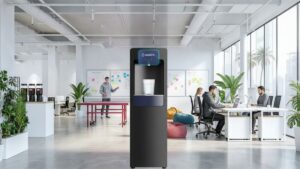
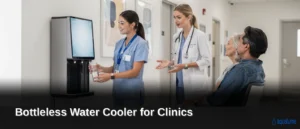
We tailor systems to each setting: high‑capacity plumbed units for busy offices, specialized filtration for restaurants to enhance beverage taste, and custom setups for retail or light industrial sites. That flexibility makes Aqualume water dispensers a practical choice across many business types.
How Can Businesses Experience Aqualume's Bottleless Water Coolers Through Free Trials and Consultations?
Businesses can test Aqualume systems with free trials and consultations. A short, hands‑on trial lets teams evaluate water quality, convenience, and projected cost savings before committing.
Frequently Asked Questions
What maintenance is required for bottleless water coolers?
Maintaining bottleless water coolers is essential for ensuring optimal performance and water quality. Typically, routine maintenance involves replacing filters every 6 to 12 months, depending on usage and local water quality. Regular checks by a qualified technician can help identify any issues with the filtration system or plumbing connections. Additionally, periodic sanitization of the unit is recommended to prevent microbial growth and ensure safe drinking water. Aqualume offers maintenance services to help businesses keep their systems in top condition.
Can bottleless water coolers provide hot and cold water?
Yes, many bottleless water coolers are designed to provide both hot and cold water options. These units typically feature built-in heating and cooling systems that allow users to enjoy chilled water for refreshing drinks or hot water for tea and instant soups. This versatility makes bottleless coolers a convenient choice for workplaces, as they can cater to various hydration needs without the hassle of managing heavy bottles. Be sure to check the specifications of the model to confirm its capabilities.
How do bottleless water coolers impact employee health?
Bottleless water coolers can positively impact employee health by providing access to clean, filtered water on demand. Aqualume’s advanced filtration systems remove impurities and contaminants, ensuring that the water is safe and tastes great. Staying hydrated is crucial for maintaining energy levels and productivity in the workplace. Additionally, by reducing reliance on bottled water, businesses can minimize exposure to potential contaminants associated with improper storage and handling of plastic bottles, further promoting a healthier work environment.
What are the installation requirements for bottleless water coolers?
Installing a bottleless water cooler typically requires a connection to the building’s existing water supply. A qualified technician will conduct a site assessment to determine the best location and evaluate the incoming water quality. The installation process involves connecting the unit to the plumbing, testing the system for proper operation, and ensuring that all safety measures are in place. Most installations can be completed quickly, allowing businesses to enjoy the benefits of bottleless water without significant downtime.
Are there any specific industries that benefit more from bottleless water solutions?
While bottleless water coolers can benefit a wide range of industries, those with high water consumption, such as offices, restaurants, and manufacturing facilities, often see the most significant advantages. In busy office environments, continuous access to filtered water can enhance employee productivity and satisfaction. Restaurants benefit from improved beverage quality through specialized filtration, while manufacturing sites can reduce operational costs associated with bottled water. Aqualume tailors solutions to meet the unique needs of various industries, maximizing efficiency and sustainability.
What are the environmental benefits of switching to bottleless water coolers?
Switching to bottleless water coolers significantly reduces environmental impact by eliminating single-use plastic bottles from the supply chain. This transition helps decrease plastic waste and lowers carbon emissions associated with the production and transportation of bottled water. Additionally, many bottleless systems are designed with energy-efficient components, further enhancing their eco-friendly profile. By adopting bottleless solutions, businesses can align with sustainability goals and contribute to a healthier planet while providing employees with convenient access to clean drinking water.
Conclusion
For many Southern California organizations, bottleless water coolers offer measurable benefits: lower long‑term costs, less plastic waste, and high‑quality water when systems receive regular service. Aqualume’s solutions make the switch straightforward, helping companies reach sustainability targets while improving everyday convenience for employees. Learn more about how a bottleless setup can work in your workplace.
Conclusion
Switching to bottleless water coolers gives Southern California businesses clear advantages — predictable operating costs, reduced single‑use plastic, and reliable water quality with proper maintenance. Aqualume’s tailored installations and ongoing support simplify the transition so companies can meet environmental goals and keep operations efficient. See how our solutions can elevate your workplace hydration experience.
Conclusion
Choosing bottleless water coolers delivers significant benefits for Southern California businesses: lower operational costs, less plastic waste, and improved water quality when systems are properly maintained. Aqualume’s customized installations and service make the transition easy, helping companies meet sustainability objectives while ensuring employee convenience. Explore our offerings to discover how a bottleless approach can improve hydration at your workplace — and take the next step toward a greener, more efficient water solution today.