Ask any school administrator in Southern California what keeps the front office busy in late August, and hydration logistics rarely make the list — until the first heat wave hits, the water delivery truck is late, and three classrooms are passing around a lukewarm case of plastic bottles. Between rising enrollment, tighter facilities budgets, and 90-degree afternoons from Riverside to the coast, keeping students and staff hydrated has quietly become an operations problem worth solving properly.
Bottleless water dispensers connect directly to your existing plumbing and filter tap water on demand, which means no delivery schedule, no bottle storage room, and no back-strain for the custodial team. For SoCal schools, charter campuses, preschools, and tutoring centers, it is one of the few upgrades that improves daily life for everyone in the building while trimming a recurring line item. Here is how it works and what to weigh before you switch.
Why bottled delivery quietly drains a school budget
Five-gallon bottle delivery looks cheap on the invoice and expensive everywhere else. A mid-sized campus with a few hundred students and staff can burn through dozens of bottles a month, and the true cost is buried in the parts nobody itemizes: delivery fees, fuel surcharges, per-bottle rental, and the labor of hauling 42-pound jugs onto coolers. Add the sustainability optics — a school teaching kids about conservation while stacking single-use plastic in the supply closet — and the math gets uncomfortable fast.
Most Southern California organizations that move from bottled delivery to a bottleless system save between $1,000 and $3,000 a year, depending on headcount and how many dispensers they run. For a school stretching every dollar across classrooms and staff, that is a meaningful recovery — and it comes without asking anyone to drink less water.
What 7-stage filtration actually removes
Southern California tap water is safe, but “safe” and “tastes good enough that a seventh-grader will actually drink it” are different bars. Hard water, chlorine, and sediment are common across the region, and they are exactly what turns kids off from the drinking fountain. Every Aqualume dispenser runs incoming water through a 7-stage filtration process that targets the things you can taste and the things you cannot.
- Sediment and particulate that make water look and taste cloudy
- Chlorine and the chemical aftertaste it leaves behind
- Volatile organic compounds and other dissolved contaminants
- Scale-causing hardness that builds up and dulls flavor
- A final polishing stage so every pour tastes clean and consistent
The practical result: water that students and teachers genuinely want to drink, which is the entire point. A filtration system nobody uses saves nothing.
Hydration and focus in a SoCal classroom
Dehydration is not a small thing in a warm-climate school. Even mild dehydration is linked to reduced concentration, headaches, and fatigue — the exact symptoms that get mistaken for a rough afternoon or a distracted class. When cold, clean water is easy to reach, kids drink more of it, and the difference shows up in attention spans and fewer trips to the nurse for vague complaints.
Easy access matters more than good intentions. A dispenser in the staff lounge, another near the gym, and one by the main office removes the friction that keeps a busy campus from staying hydrated during a September heat wave. That accessibility is where a well-placed bottleless system earns its keep.
Choosing the right dispenser for your campus
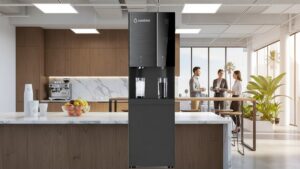
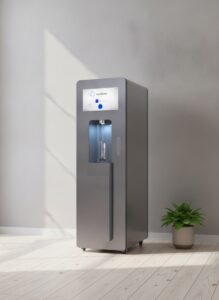
Different corners of a school have different needs, so Aqualume offers a full lineup rather than a one-size-fits-all box. A high-traffic cafeteria or gym demands more capacity than a small tutoring center, and a cramped front office needs something that fits on a counter.
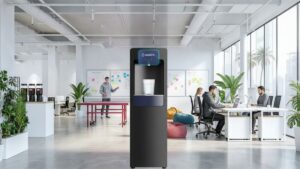
- Glacier — the freestanding flagship, built for the busiest, highest-demand spots like a cafeteria or main hallway
- Cascade — our best-selling freestanding unit, a versatile fit for staff lounges and common areas
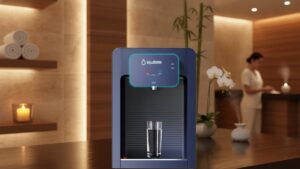
- Jetstream — a tabletop model for front offices, classrooms, and tight spaces
- Avalanche, Gulfstream, and Blizzard — additional options to match capacity, footprint, and features to each location
Comparing your options? Take a closer look at the Glacier freestanding ice and water dispenser, see water service plans for Southern California private schools, or get details on water dispenser rental in Los Angeles — the 7-day free trial applies either way.
The sustainability lesson that teaches itself
Schools spend real classroom time teaching environmental responsibility, and few things undercut that message faster than a mountain of single-use plastic in the supply room. Switching to bottleless water removes thousands of plastic bottles a year from a campus’s footprint and replaces them with a refillable, filter-on-demand system kids can point to.
It is the rare facilities decision that doubles as a values statement. For a Southern California campus that markets itself to eco-conscious families, that alignment between what you teach and what you stock is worth more than the plastic it eliminates.
What switching actually looks like
Facilities managers tend to assume a plumbing project means disruption, but a bottleless dispenser is a modest install. The unit taps into an existing water line — the same kind that already feeds a break room sink or fountain — and a technician handles the connection so your maintenance staff does not have to. Most locations are up and pouring the same day the equipment arrives, with no construction and no classroom shut down.
From there, upkeep is off your plate. Aqualume handles filter changes and routine service as part of the flat monthly rate, so there is no schedule for your team to track and no replacement parts to order. For a campus already juggling HVAC, landscaping, and a hundred other line items, “one less thing to manage” is exactly the kind of win that makes a facilities director’s month. The dispenser simply works, and the office stops fielding calls about the water cooler being empty.
Serving schools across Southern California
Aqualume is a local, B2B-focused service built for organizations across Orange County, Los Angeles, and the Inland Empire — and schools fit that profile naturally. Whether you run a single preschool in Irvine, a charter campus in the San Gabriel Valley, or a district office in Riverside, being local means service calls do not wait on a truck coming from another state. Installation and maintenance are handled by a team that actually knows the region’s water and its summers.
Service agreements run on a 36-month term, which keeps that monthly rate low and locks in predictable budgeting for the years your facilities team is already planning around. For a school that values a stable, flat-rate cost over a variable delivery invoice, that predictability is a feature, not a fine print.
Frequently asked questions
How much does a bottleless water dispenser cost for a school?
Aqualume dispensers run on an flat-rate flat monthly rate, from $80 per month per dispenser for an entry unit up to about $150 per month for the freestanding Glacier flagship. That single rate covers the equipment, 7-stage filtration, and ongoing service, so there are no per-bottle charges or delivery surcharges to budget around.
How much can a school save by switching from bottled delivery?
Most Southern California organizations save between $1,000 and $3,000 a year after moving from five-gallon bottle delivery to a bottleless system. The exact figure depends on your headcount and how many dispensers you run, but the savings come from eliminating delivery fees, bottle rentals, and storage entirely.
Is the filtered water safe and clean for students?
Yes. Every Aqualume dispenser filters incoming tap water through a 7-stage process that removes sediment, chlorine, and dissolved contaminants while improving taste. The result is consistently clean, great-tasting water that students and staff are far more likely to actually drink than untreated fountain water.
Which Aqualume dispenser is best for a high-traffic cafeteria?
For the busiest locations like a cafeteria or gym, the freestanding Glacier flagship is built to handle the highest demand. For staff lounges and common areas, the best-selling Cascade is a strong fit, while the tabletop Jetstream works well in front offices and classrooms with limited space.
Does Aqualume serve schools in the Inland Empire?
Yes. Aqualume serves schools and businesses across Orange County, Los Angeles, and the Inland Empire, including Riverside and San Bernardino. Being a local Southern California service means installation and maintenance are handled quickly by a regional team rather than routed through an out-of-state provider.
Ready to upgrade your campus water?
Before the next SoCal heat wave rolls through, see the difference clean, filtered, always-available water makes for your students and staff — with no plastic to haul and one predictable monthly cost. Start your 7-day free trial and put an Aqualume dispenser to work on your campus.