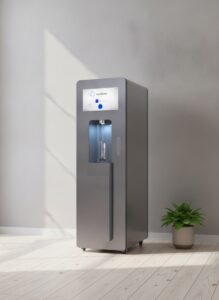
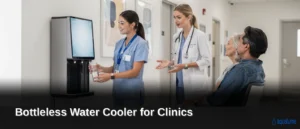
Compact Water Cooler: Ideal for Small Office Spaces
Space-Saving Water Solutions for Small Offices
Small offices often struggle with limited floor and counter space while still needing reliable, hygienic drinking water for staff and visitors. This guide explains compact office water dispensers and space-saving water solutions that address those constraints by describing how countertop bottleless water coolers, under-sink water filtration systems, and compact mains-fed dispensers operate, why they save space, and how they map to practical UK small-office scenarios. Readers will learn device types, installation and maintenance needs, energy and cost considerations, hygiene and sustainability impacts, and a clear decision checklist to choose the right small office water cooler. The article outlines specific placement examples, a total cost of ownership framework, and stepwise installation and upkeep guidance tailored to tiny office footprints. Throughout, keywords such as countertop bottleless water cooler, small office water cooler, and compact water cooler are used naturally to help you match technology to real constraints and to target actionable next steps for procurement or trial.
What Are the Best Space-Saving Water Dispensers for Small Offices?
A space-saving water dispenser is a compact point-of-use device designed to provide filtered drinking water while minimising footprint and storage needs; these units work by connecting to mains water and using inline filtration, chilled or heated elements, and sealed dispense paths to deliver hygienic water on demand. The primary benefit is freeing up storage and logistical overheads associated with bottled systems while improving accessibility and hygiene for staff. For small offices, the main categories to consider are countertop bottleless water coolers, under-sink water filtration systems, and compact mains-fed dispensers; each balances footprint, installation complexity, and output differently. Understanding which category fits your layout and usage patterns helps avoid costly mistakes and keeps hydration convenient for teams.
Which Compact Office Water Dispenser Types Suit Small Workspaces?
Compact dispenser types differ by footprint and installation method, making some better suited to shared kitchenettes and others ideal for single-room offices. Countertop bottleless water coolers sit on existing counters, needing only a nearby mains feed and a small 30–40cm footprint, which makes them ideal for desk clusters or compact kitchens. Under-sink water filtration systems hide the main hardware beneath cabinets and use a dedicated tap, saving visible space but requiring under-sink clearance and simple plumbing access. Compact mains-fed dispensers include slim floor-standing and wall-mounted options that minimise storage needs; they are best where continuous supply and higher throughput are required but space is vertically constrained. Each option requires checking pipe sizing, clearance for service access, and potential noise—factors that determine final siting decisions.
How Do Bottleless Water Coolers Save Space and Improve Hygiene?
Bottleless water coolers eliminate bulky external bottle storage by connecting directly to the mains supply and using inline filtration and sealed water paths to deliver safe drinking water, which both reduces footprint and removes delivery logistics. The mechanism typically includes pre-filtration to remove sediment, carbon filtration to reduce taste and odour, and optional UV or RO stages for higher purity, which together maintain hygiene through sealed-flow designs that reduce handling. Space savings are realised through the absence of bottle delivery and storage areas, and hygiene benefits come from reduced touchpoints and easier sanitisation of dispense surfaces. These design traits make countertop bottleless water coolers especially attractive for small offices aiming to cut plastic waste and simplify maintenance routines.
What Are the Advantages of Tabletop Water Coolers in UK Small Offices?
Tabletop or tabletop-compact water coolers provide plug-and-play convenience, requiring minimal installation and offering portability that suits temporary or evolving office layouts in the UK. Their advantages include quick deployment on existing counters, low initial complexity, and the ability to trial placement before committing to under-sink or mains-fed installations, which supports flexible small-office planning. Typical tabletop capacities and cooling/heating profiles suit teams of a few to a dozen people depending on peak demand patterns, and reduced noise models are available for quiet working environments. For busy small offices, siting a tabletop cooler near common areas improves access without consuming floor space, and portability eases relocation during office reconfiguration.
Different device categories compared for small-office suitability:
| Device Category | Typical Footprint & Installation | Water Output (approx) | Ideal Small-Office Use |
|---|---|---|---|
| Countertop bottleless water cooler | 30–40cm counter depth; plumbed-in; plug-in power | 10–30 L/hr | Desk clusters, compact kitchens |
| Under-sink water filtration system | Hidden under sink; dedicated tap or connector | 5–25 L/hr | Micro-kitchens, single-room offices |
| Compact mains-fed dispenser | Slim floor or wall-mounted; requires mains and service access | 20–50 L/hr | Higher-use small offices, shared spaces |
How Do Under-Sink Water Filter Systems Work for Small Offices?

Under-sink water filter systems are point-of-use installations where mains water flows through sequential filtration stages under a sink and emerges at a dedicated dispenser tap, producing high-quality potable water while keeping equipment out of sight. The mechanism usually follows mains feed → pre-filter (sediment) → carbon block → optional RO or UV stage → dispense tap, which ensures contaminants and tastes are reduced and hygiene is maintained in a closed system. For small offices, the benefit is a clean countertop and concealed hardware, but trade-offs include under-sink space requirements, periodic filter changes, and the need to verify pipework compatibility with UK plumbing standards. Properly sized under-sink systems can meet the daily needs of a small team while keeping visible kitchen areas uncluttered. Properly sized under-sink water dispensers can meet the daily needs of a small team while keeping visible kitchen areas uncluttered.
What Are the Key Features of Under-Sink Water Filters for Offices?
Key features include filter type (activated carbon, reverse osmosis membrane, UV sterilisation), flow rate, cartridge life indicators, and ease of service access, all of which shape performance and maintenance demands. Activated carbon removes chlorine and improves taste, RO membranes remove dissolved solids and provide higher purity, and UV lamps inactivate microorganisms; combined, these features address different quality targets for office water. Offices should look for quick-change cartridges and clear service indicators to simplify upkeep in small teams where facilities staff time is limited. Certification and compliance notes are important—select systems with recognised filtration standards to ensure predictable performance for workplace use.
How Easy Is Installation and Maintenance of Under-Sink Systems?
Installation typically involves shutting off the local mains, fitting a feed tee to the cold feed, securing the filter housing beneath the sink, and mounting a dedicated tap on the counter or sink surface; this process is straightforward for a competent DIYer but may require a plumber for guaranteed compliance. Maintenance mainly consists of scheduled cartridge replacements, occasional sanitisation of the housing, and ensuring the dispensing tap is kept clean; cartridge life depends on usage and inlet water quality but commonly ranges from 6 to 12 months. Small offices should balance DIY installation savings with professional installation benefits such as warranty compliance and guaranteed water connections. Planning installation access and a simple maintenance log reduces downtime and helps ensure consistent water quality before regular use.
What Are the Pros and Cons of Under-Sink Filtration in Small Offices?
Under-sink filtration offers clear pros—hidden equipment, continuous supply, and high water quality—but comes with cons such as installation complexity, space taken under cabinets, and ongoing cartridge costs that must be scheduled. Advantages include improved countertop aesthetics and often better taste and purity compared with basic dispensers, which boosts user confidence and reduces reliance on bottled water. Drawbacks include the need to allocate under-sink clearance for filter housings and service access, and potential up-front plumbing work that may disrupt small offices. When under-sink filtration is compared to countertop solutions, it is preferable where visible space is at a premium and when teams value discreet, continuous filtration.
What Are the Benefits of Mains-Fed Compact Water Dispensers for Small Offices?

Mains-fed compact water dispensers connect directly to the building water supply and provide continuous chilled or heated water on demand; the result is reduced waste, lower logistical overhead, and a compact footprint that suits occupied small offices. Mechanically, these dispensers integrate filtration and temperature control into a slim chassis that can be countertop, wall-mounted, or slim floor-standing, so they trade some installation effort for ongoing convenience. The principal benefits for small offices are elimination of bottle delivery and storage, steady supply during peaks, and demonstrable sustainability gains by avoiding single-use plastic bottles. In practical terms, a compact mains-fed dispenser can support routine hydration needs while freeing storage for core office activities.
How Do Mains-Fed Dispensers Reduce Costs and Plastic Waste?
Mains-fed dispensers reduce costs by removing recurring bottle purchases and delivery logistics, and they cut plastic waste by avoiding single-use bottle consumption; the cost-saving mechanism is recurring operating cost reduction and lower indirect labour for handling deliveries. Example metrics: a small office that once consumed ten 19-litre bottles per month will avoid those bottles entirely when switching to a plumbed-in countertop bottleless water cooler, yielding immediate waste reduction and steady labour savings. Secondary savings arise from reduced storage space and fewer supplier interactions, which can be material for micro-businesses where storage is at a premium. These sustainability advantages align with workplace CSR goals and can be reported simply as bottles avoided per year.
- Mains-fed systems reduce recurring procurement and delivery costs.
- Switching to bottleless operation saves storage space and staff handling time.
- Plastic bottles avoided contribute to sustainability targets and waste reduction.
These points show how operational and environmental benefits combine and lead into model selection considerations.
Which Compact Mains-Fed Models Are Ideal for Limited Office Space?
Ideal compact mains-fed models prioritise minimal footprint, service access, and low noise while providing the required temperature options; look for small countertop units, wall-mounted dispensers, and slim floor-standing models with front-access panels. Feature trade-offs include whether to include a hot-water module—useful for beverages but increasing energy draw and footprint—and whether service panels allow filter changes without moving the unit. For very tight spaces, a plumbed-in countertop bottleless water cooler or wall-mounted dispenser with remote filtration can deliver full functionality with minimal visible hardware. Consideration of service clearances and noise levels ensures the chosen model remains practical in open-plan or quiet-room environments.
How Do Hot and Cold Water Features Enhance Small Office Hydration?
Offering both hot and cold dispense enhances workplace convenience by supporting a wider range of beverage needs—cold drinking water, brewed drinks, and instant meals—thus encouraging usage and potentially improving staff satisfaction. Technically, hot elements draw additional energy and require safety features like child locks and insulated taps, whereas cold-only units consume less power and may be preferable where heating is unnecessary. Offices with frequent hot-beverage demand may still choose a compact hot-and-cold dispenser, balancing energy costs against convenience gains. When minimal energy use is a priority, single-temperature or chilled-only compact water coolers can be the most space- and cost-efficient choice.
How to Choose the Right Space-Saving Water Solution for Your Small Office?
Choosing the right solution requires evaluating space footprint, daily water demand, plumbing access, budget, and hygiene needs; combining these factors into a simple decision checklist clarifies which category—countertop bottleless, under-sink, or compact mains-fed—fits best. The mechanism of selection involves measuring available counter or under-sink dimensions, estimating peak usage in litres per hour or day, and deciding whether visible equipment is acceptable; these steps reduce mismatch risk and align procurement with operational realities. Following a structured checklist speeds up procurement and ensures the chosen unit meets both practical and hygiene expectations for small UK offices. The next section breaks each criterion down into actionable checks and measurement tips.
What Factors Should Influence Your Water Dispenser Choice?
A practical checklist helps prioritise factors: measure counter depth and under-sink clearance, count average users and peak demand, assess nearby mains access and power availability, and set a budget including filters and service. Measure usable counter depth and height to confirm a countertop bottleless water cooler fits without obstructing workflow, and check under-sink cabinet depth to verify filter housings will fit. Estimate daily litres per person (commonly 1–2 litres) and multiply by staff numbers to approximate throughput needs and identify if a compact mains-fed dispenser is required. Finally, evaluate hygiene preferences—touchless dispensing or UV sanitisation—and whether service contracts are desirable to reduce maintenance burden.
- Measure physical installation space and access points.
- Calculate expected daily and peak water demand.
- Decide on hygiene features and service support preferences.
These selection steps move directly into energy and hygiene considerations that affect long-term operation.
How Does Energy Efficiency Impact Small Office Water Solutions?
Energy efficiency affects operating expenses and sustainability; primary energy draws are refrigeration compressors and heating elements, with standby and intermittent duty cycles shaping annual consumption. Estimate annual energy by checking rated power for heating and cooling components and accounting for duty cycles; models with eco modes, improved insulation, and low-power standby reduce running costs. Choosing a unit with efficient compressors and insulated tanks can lower lifetime energy costs, while eliminating hot-water modules reduces baseline consumption. Offices should factor estimated annual kWh into TCO calculations so energy use aligns with budget and sustainability goals.
What Role Does Hygiene and Touchless Technology Play in Selection?
Hygienic features—touchless dispense, sealed water paths, UV sanitisation, and easy-to-clean drip trays—reduce cross-contamination and support workplace wellness, particularly in high-touch or shared-desk environments. Touchless sensors reduce hand contact and therefore germ transmission, while sealed bottleless systems and UV sterilisation help maintain microbial control within the dispenser. Integrating these features into cleaning protocols and staff guidance enhances overall hygiene outcomes. When hygiene is a top priority, prioritise bottleless systems with sealed flows and touchless dispense to minimise maintenance interruption and build user confidence.
What Are the Installation and Maintenance Requirements for Compact Water Dispensers?
Installation and maintenance ensure long-term performance and hygiene; requirements include verifying mains and electrical connections, providing appropriate clearances for service, and scheduling regular filter and sanitation tasks. Proper installation secures the mains feed, positions the unit for access to service panels, and places taps where spill risk is minimal, which prevents operational issues and prolongs life. Maintenance tasks include cartridge replacement, cleaning external surfaces, and descaling where necessary; following manufacturer schedules or service contracts preserves warranty coverage and prevents bacterial growth. A straightforward maintenance plan reduces downtime and ensures consistent water quality in small-office environments.
How to Install Bottleless and Under-Sink Water Dispensers in Small Offices?
Installation steps begin with confirming pipe size and pressure, shutting off the local water feed, fitting a feed tee or dedicated supply, mounting or placing the dispenser, and verifying electrical safety and drainage where required. Tools typically include an adjustable spanner, drill for tap holes if needed, plumber’s tape, and lockable isolation valves; some installers prefer to use a small inline pressure regulator for sensitive filters. For under-sink installations, ensure adequate cabinet clearance and a stable mounting point for filter housings, and consider professional installation where local plumbing codes or warranty conditions require it. After plumbing, flush filters as instructed and run initial sanitisation routines to ensure water quality before regular use.
What Are the Recommended Filter Replacement and Cleaning Schedules?
A practical maintenance cadence for small offices balances usage with cartridge life: replace sediment and carbon cartridges every 6–12 months, change RO membranes every 12–24 months, and check UV lamps annually or per manufacturer guidance; cleaning of nozzles and drip trays should occur weekly. Inspect filter life indicators monthly and keep a simple maintenance log to track replacements and service visits; signs that maintenance is overdue include reduced flow, taste changes, or visible deposits. Regular external surface cleaning and occasional sanitisation cycles prevent biofilm formation and support hygiene protocols. Implementing a service reminder system—either via calendar or a service contract—keeps maintenance predictable and manageable.
- Replace primary carbon filters every 6–12 months.
- Check RO membranes every 12–24 months and UV lamps annually.
- Clean drip trays and nozzles weekly to prevent buildup.
Keeping to these schedules ensures reliable performance and hygienic dispensing.
How Can Small Offices Ensure Long-Term Performance and Hygiene?
Long-term performance is sustained by combining scheduled filter replacements, routine sanitisation, and a simple maintenance log that assigns responsibilities and records interventions, which together create operational continuity. Consider service contracts when in-house capability is limited, as they often include scheduled visits, filter supplies, and emergency support that preserve uptime. Training a nominated staff member on basic cleaning and troubleshooting creates resilience and reduces response times to common issues such as reduced flow or minor leaks. Regular review of usage patterns can also inform adjustments to filter change intervals, ensuring cost-effective maintenance tailored to actual consumption.
How Do Space-Saving Water Solutions Improve Employee Health and Productivity?
Accessible water solutions increase hydration rates by reducing friction to drinking, which supports cognitive performance and wellbeing; the mechanism is simple—easy access leads to higher intake, and improved hydration benefits concentration, mood, and reaction time. Research and workplace studies indicate that even mild dehydration impairs focus and mental arithmetic speed, so onsite hydration that is quick and hygienic can yield measurable improvements in productivity. Features such as chilled drinking water and hot taps for beverages further encourage use, while hygienic systems reduce illness transmission risk. Mapping product features to expected employee benefits helps quantify the business case for investing in compact water solutions.
What Is the Impact of Improved Hydration on Workplace Productivity?
Improved hydration supports concentration, short-term memory, and decision-making, with practical workplace impacts including fewer attention lapses and potentially reduced error rates, which together improve overall productivity. Aiming for target daily intake—commonly recommended around 1.5–2 litres per day per adult—helps set benchmarks for monitoring dispenser usage and estimating supply needs for small teams. Offices can measure impact through simple staff surveys on perceived alertness and by tracking absenteeism trends over time to identify any correlation with improved access to water dispensers. These measurement approaches provide actionable feedback for facilities managers evaluating dispenser investments.
How Do Bottleless Coolers Promote Better Hygiene and Wellness?
Bottleless coolers promote hygiene through sealed flow paths, reduced handling of consumables, and options for touchless dispense and UV sanitisation, which together lower microbial transmission risk compared with manually handled bottles. The reduced handling of bottles eliminates a common contamination vector, and sealed systems limit exposure of internal water paths to external contaminants. Touchless dispense technology further reduces contact with high-touch buttons or taps, supporting wellness protocols particularly in shared environments. These hygienic design elements contribute to confidence among staff and can reduce minor illness transmission that otherwise affects attendance and productivity.
What Sustainability Benefits Do Small Offices Gain from These Solutions?
Sustainability benefits include reduced single-use plastic consumption, lower transport emissions from eliminated bottle deliveries, and decreased waste handling, all of which contribute measurable CSR outcomes for small businesses. For example, replacing bottled systems in a small office can avoid hundreds of 19-litre bottles per year, translating into a clear reduction in plastic and related transport impact; tracking bottles avoided supports internal sustainability reporting. Bottleless and mains-fed approaches also simplify recycling logistics and reduce the carbon footprint associated with repeated delivery routes. Small offices can report these gains as part of environmental commitments and use simple metrics to demonstrate progress.
| Hydration Intervention | Benefit | Measurable Outcome |
|---|---|---|
| Bottleless cooler | Increased access and reduced handling | Higher daily per-person intake; bottles avoided |
| Under-sink tap | Concealed supply with high purity | Improved taste and staff satisfaction |
| Hot/cold combo dispenser | Versatile beverage support | Greater uptake and convenience metrics |
What Are the Cost Considerations for Compact Water Dispensers in Small Offices?
Cost decisions hinge on upfront purchase or rental, recurring filter and energy costs, and indirect costs such as storage and staff time for handling deliveries; a structured total cost of ownership (TCO) view clarifies long-term implications. Bottleless mains-fed options often have higher upfront installation costs but lower recurring supply and waste disposal expenses, whereas bottled systems have lower initial hardware cost but recurring delivery and storage costs that accumulate over time. Energy use, filter replacement cadence, and service contracts should be included in annualised cost models to compare options fairly. The following EAV-style table summarises typical annual cost elements for different approaches to support decision-making.
| System Type | Cost Component | Annual Cost (typical) |
|---|---|---|
| Bottled delivery system | Delivery & bottles | Moderate–High |
| Bottleless (countertop/mains-fed) | Filters, energy, service | Low–Moderate |
| Under-sink filtration | Cartridge replacement, occasional service | Low–Moderate |
How Does Total Cost of Ownership Compare Between Bottleless and Bottled Systems?
TCO comparisons should include hardware amortisation, filter replacements, energy consumption, and logistics costs; for a 10-person office, bottleless mains-fed options often reach break-even within 12–36 months depending on prior bottle usage and filter costs. Example considerations: bottled systems incur monthly delivery fees and require storage space, while bottleless units require periodic filters and occasional service but remove delivery costs. Hidden costs to include are staff time for handling bottles, storage opportunity cost, and waste disposal fees. Sensitivity to usage levels is key—higher daily consumption favours bottleless systems for faster payback.
What Are Rental vs. Purchase Options for Small Office Water Solutions?
Rental options typically include hardware, servicing, and filter replacement in a single monthly fee, offering predictable costs and reduced upfront capital expenditure, whereas purchase shifts costs to initial outlay with lower ongoing fees but more responsibility for maintenance. Rentals suit short-term premises or uncertain headcounts, providing flexibility and included service that alleviates in-house maintenance needs. Purchases can be more cost-effective for stable, longer-term locations where the office can manage filter supply and basic maintenance. Negotiation points to consider include service turnaround times, filter inclusions, and termination terms.
- Rental: predictable monthly fee, inclusive service, low upfront cost.
- Purchase: higher upfront cost, lower ongoing fees, in-house maintenance responsibility.
- Choose rental for flexibility and purchase for long-term cost minimisation.
These trade-offs inform procurement strategy for micro-businesses with tight cashflow or for those planning a longer tenure.
How Do Energy Efficiency and Filter Costs Affect Long-Term Expenses?
Energy efficiency directly influences annual operating expenses: refrigeration and heating elements consume the majority of power, so choosing models with eco modes, good insulation, and low-power compressors reduces ongoing costs. Filter costs and replacement intervals contribute a steady recurring expense—carbon filters are relatively low cost but require regular changes, RO membranes and UV lamps are pricier and have longer lifespans. Minimising running costs can involve selecting efficient models, consolidating filter changes to reduce service visits, and using insulated units to lower compressor runtime. Together, energy and filter strategies can substantially reduce TCO over the lifetime of a compact water dispenser.
This article has examined device categories, installation and maintenance, hygiene and sustainability, employee wellness links, and clear cost frameworks to help small UK offices choose compact water solutions that match space, budget, and operational priorities.