Affordable Water Cooler Rental for Your Office Needs
Understanding Water Cooler Rental: A Comprehensive Guide
A water cooler rental supplies businesses, homes, and events with on-site drinking water without the upfront cost of purchasing a dispenser, combining equipment, delivery, and maintenance into a managed hydration solution. This guide explains what water cooler rental means, how bottled and bottleless (point-of-use) systems differ, and which temperature, loading, and filtration options match specific use cases. Many buyers weigh convenience, cost, sustainability, and water quality when choosing between top-loading bottled coolers, bottom-loading units, countertop models, and bottleless RO or carbon-filtered dispensers. This article solves those decision points by covering the main cooler types, workplace wellness impacts, residential choices, pricing models and contracts, environmental and health benefits of bottleless systems, maintenance expectations, and commercial or event-specific rental logistics. You will get practical comparisons, EAV tables that summarize attributes, maintenance checklists, and clear steps to evaluate rental plans for offices, homes, construction sites, and events. Read on to compare bottled vs bottleless water cooler rental options, understand typical rental inclusions, and plan the installation and support you’ll need for reliable hydration services.
What Are the Main Types of Water Cooler Rentals?
A water cooler rental refers to renting a water dispenser that provides hot, cold, or ambient drinking water on-site, with models ranging from bottled top-load and bottom-load coolers to bottleless point-of-use units and compact countertop or portable dispensers. The mechanism differs by type: bottled coolers rely on 3- or 5-gallon water bottles swapped by delivery, while bottleless units connect to building plumbing and use RO, carbon, or UV filtration. The primary benefit is flexibility: renters can match capacity, filtration, and temperature options to traffic and use-case without large capital expense. Understanding basic categories helps choose the right rental model for office, home, or event needs and informs required service levels like delivery cadence and filter replacement. The next sections compare bottled and bottleless systems, temperature features, loading layouts, and portable/countertop options.
Different cooler types have distinct attributes, summarized below for quick comparison.
| Cooler Type | Key Attribute | Typical Value / Ideal Use |
|---|---|---|
| Bottled Cooler (Top-load) | Loading Mechanism | Top-loaded 3–5 gallon bottles; simple design for low-to-medium traffic |
| Bottled Cooler (Bottom-load) | Convenience | Lower lifting required; hides bottles for aesthetics in offices |
| Bottleless Point-of-Use | Filtration | RO, carbon, UV or multi-stage; plumbed to mains for continuous supply |
| Countertop / Portable | Footprint | Compact units for kitchens, apartments, events; limited capacity |
What Is the Difference Between Bottled and Bottleless Water Cooler Rentals?
Bottled and bottleless water cooler rental differ in supply chain, maintenance, environmental impact, and operating cost: bottled systems use replaceable 3- or 5-gallon bottles delivered on a schedule, while bottleless systems use point-of-use plumbing and internal filters to produce drinking water continuously. The mechanism for bottled models is simple bottle exchange and sanitation of the dispenser; bottleless machines rely on filtration stages—reverse osmosis (RO), activated carbon, and sometimes UV—to remove contaminants. The main benefit of bottleless units is reduced plastic waste and steady supply with lower per-liter cost over time, while bottled coolers offer portability and no plumbing needs. Understanding these operational differences helps decide which rental model matches logistics, sustainability goals, and budget constraints.
Bottleless Water Cooler Technology: Filtration and Design
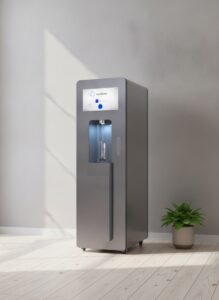
The bottle less cooler connects directly to the water supply and has a filtering process for purifying the water. The primary difference in the design of these machines is the evaporator.
THE IMPROVE QUALITY OF WATER PURIFICATION BY CONTROL IMPURITY THROUGH HEAT EXCHANGER, A Tiwari
What Features Do Hot, Cold, and Cook Water Dispensers Offer?
Hot, cold, and cook water dispensers provide temperature-specific delivery: cold water for refreshment, hot water for beverages, and cook-temperature output for food prep. Mechanisms include refrigeration compressors for chilling, tankless or tank-based heaters for hot outputs, and safety features like child locks and insulated spouts. The benefit is operational versatility—hot/cold dispensers support break rooms, beverage stations, and kitchens—reducing the need for separate appliances. When selecting a rental, evaluate temperature ranges, energy efficiency, and safety locks to match workplace or home safety requirements and usage patterns.
How Do Top-Loading and Bottom-Loading Water Coolers Compare?
Top-loading and bottom-loading water coolers contrast in ergonomics, aesthetics, and bottle handling: top-load units require lifting and inverting bottles into the cooler, while bottom-load designs place the bottle in a lower compartment for easier replacement. The mechanism affects user experience and safety—bottom-load reduces heavy lifting and is preferred in high-traffic offices, whereas top-load models can be simpler and less costly to rent. The main benefit of bottom-load rental units is improved ergonomics and cleaner appearance, while top-load may suit locations where budget and simple serviceability matter most. Choose based on expected traffic, staff strength, and aesthetic preferences.
Bottled Water Cooler Quality: Microbial and Chemical Assessment
Drinking water quality can be deteriorated by microbial and toxic chemicals during transport, storage and handling before using by the consumer. This study was conducted to evaluate the microbial and physicochemical quality of drinking water from bottled water coolers.
Assessment of drinking water quality from bottled water coolers, M Nikaeen, 2014
What Are Portable and Countertop Water Cooler Rental Options?
Portable and countertop water cooler rental options are compact solutions designed for temporary needs, events, or small residential kitchens and workstations. These units operate on standard electrical outlets, offer limited capacity compared with freestanding coolers, and often use small refill bottles or integrated filters for point-of-use. The mechanism centers on mobility and quick setup; the benefit is flexibility—portable dispensers are ideal for short-term events, construction trailers, or temporary office expansions. When renting portable models, check power requirements, refill logistics, and rental term flexibility to ensure continuous supply during the intended usage period.
How Does Office Water Cooler Rental Improve Workplace Hydration and Wellness?
An office water cooler rental improves workplace hydration by providing accessible, filtered water on-site, which encourages regular drinking and supports employee health, cognitive performance, and wellness initiatives. The mechanism is behavioral: proximity and ease of use increase consumption, while high-quality filtration ensures taste and safety that motivates use. The benefit extends to productivity—well-hydrated employees experience better focus and fewer breaks to buy drinks offsite—plus sustainability gains when bottleless systems reduce plastic waste. Employers should assess cooler placement, model type, and service inclusions to maximize wellness outcomes and align with corporate sustainability goals.
Offices often prefer bottleless point-of-use solutions for steady supply and lower long-term cost; the next subsection outlines those specific benefits.
What Are the Benefits of Bottleless Water Coolers for Offices?
Bottleless water coolers offer continuous filtered water without regular bottle exchanges, using RO, carbon, and UV filtration to deliver quality drinking water directly from the mains. This mechanism reduces plastic bottle purchases and associated storage and handling, producing cost savings and lowering the office’s plastic waste footprint. Benefits include steady supply during peak use, fewer delivery interruptions, and simplified maintenance scheduling tied to filter replacement intervals. For offices seeking sustainability and predictable operating costs, bottleless rentals align with wellness and environmental targets while minimizing logistical overhead.
How Do Commercial Water Cooler Rentals Support Employee Productivity?
Commercial water cooler rentals support productivity by reducing time employees spend offsite or in queues for drinks, maintaining hydration that sustains cognitive performance, and removing maintenance burdens from internal teams through provider-managed service. The mechanism is twofold: convenient access increases water intake, and vendor-managed maintenance cuts downtime related to equipment failures or empty bottles. The result is smoother daily operations and measurable time savings for managers. When evaluating rental options, consider service-level agreements for restocking and emergency support to sustain productivity gains.
What Service Features Are Included in Office Water Cooler Rentals?
Typical office water cooler rental service features include scheduled delivery or filter replacement, professional installation, periodic sanitization, and emergency support, which together ensure safe, continuous operation without internal resource drain. The mechanism of bundled service shifts routine tasks—like bottle exchanges and filter swaps—to the rental provider, freeing internal staff. The practical benefit is predictable operating costs and reliable uptime. When contracting, request a checklist of delivery cadence, installation steps, filter schedules, and response times to align expectations with office needs.
For offices comparing providers, consider requesting clear SLA metrics for delivery frequency and emergency response to avoid supply gaps that could affect workplace hydration.
What Are the Best Home Water Dispenser Rental Options?
Home water dispenser rental options focus on space, family usage patterns, and convenience: countertop and slim freestanding models suit kitchens and apartments, while bottleless point-of-use systems are an option for homes with accessible plumbing. The mechanism for residential rental emphasizes compact design and low-noise operation, with benefits including scheduled deliveries for bottled systems or periodic filter replacements for bottleless units. Choosing the best home rental depends on household size, desired hot-water capability, and willingness to accommodate delivery schedules or plumbing work. The following subsections explain how family needs and space influence model selection and outline delivery and maintenance expectations for residential renters.
Home renters should match dispenser capacity and features to family routines; the next subsection explains capacity planning.
How Do Family Hydration Needs Influence Water Cooler Choice?
Family hydration needs determine capacity, temperature features, and refill cadence: a 1–2 person household may prefer a compact countertop dispenser with monthly bottle swaps, while a family of four or more benefits from a freestanding 5-gallon bottle system or a bottleless unit with robust filtration. The mechanism is consumption-driven forecasting: higher daily liters require larger bottles or a plumbed system to avoid frequent restocking. Benefits include fewer delivery trips and consistent access to hot and cold water for cooking and beverages. Assess daily water use patterns and storage space before choosing a rental plan to match convenience and cost.
What Space-Saving Water Coolers Are Ideal for Home Use?
Space-saving water coolers for home use include countertop dispensers, slim freestanding units, and integrated under-counter bottleless systems that minimize footprint. These models use compact compressor technology and smaller reservoirs, making them suitable for kitchens, small apartments, and shared living spaces. The primary benefit is preserving counter space while providing hot and cold water options, and reduced noise levels for living areas. When renting, measure available space and confirm unit dimensions and clearance requirements with the provider to ensure a good fit.
How Does Home Water Delivery and Maintenance Work?
Home water delivery and maintenance generally involve scheduling regular bottle deliveries for bottled systems or periodic filter replacements and sanitization visits for bottleless models, with billing typically on a monthly cycle. The mechanism for bottled services is exchange-based: empty bottles are swapped for full ones on a scheduled route; for bottleless, technicians replace filters and perform system checks per agreed intervals. Benefits include hands-off upkeep for homeowners and predictable costs. When arranging residential rental, clarify delivery windows, installation needs, and filter replacement cadence to avoid unexpected service interruptions.
How Much Does Water Cooler Rental Cost? Understanding Prices and Contracts
Water cooler rental cost depends on equipment type, service level, delivery frequency, and contract length; typical monthly rental ranges and inclusions vary by model and provider. Generally, basic bottled cooler rentals have lower monthly equipment fees but include recurring bottle delivery charges, while bottleless rentals may have higher equipment fees with periodic filter replacement costs. The key benefit of transparent pricing is predictable operational budgeting and easier comparison across providers. Below are factors that affect price, sample pricing models, and a comparison of renting versus buying.
Rental pricing models and sample fee ranges are summarized in the table below to clarify typical costs and inclusions.
| Rental Plan | Monthly Fee (Sample) | Typical Inclusions |
|---|---|---|
| Basic Bottled Plan | $10–$25 | Unit rental, scheduled bottle deliveries (per-bottle fee extra), sanitization |
| Bottleless POUs | $25–$80* | Unit rental, periodic filter changes, installation, maintenance |
| Short-Term / Event Rental | $40–$150 (short term) | Temporary unit, delivery/setup, return pickup, sanitation |
| No-Contract Option | $30–$90 | Flexible cancellation, higher monthly fee, standard maintenance |
What Factors Affect Water Cooler Rental Prices?
Several factors affect rental prices: equipment type and features (bottled vs bottleless, hot/cold options), filtration level (RO or multi-stage), delivery distance and frequency, contract term (monthly, annual, 36-month term), and included services like installation and emergency repairs. The mechanism is cost allocation—advanced filtration and comprehensive service increase monthly fees while basic units lower them. The benefit of understanding these drivers is targeted negotiation for the right balance of price and service. When requesting quotes, itemize desired inclusions to compare apples-to-apples across providers.
Is It Cheaper to Rent or Buy a Water Cooler?
Deciding whether to rent or buy depends on expected usage duration, upfront capital availability, and maintenance capacity: renting offers lower initial cost and vendor-managed maintenance, while buying can be cost-effective over many years if maintenance and replacements are predictable and infrequent. The mechanism for break-even analysis compares total lifetime cost of ownership to cumulative rental fees; for short-term or flexible needs, renting typically wins. The benefit of this comparison is financial clarity—use a three-year projection to see which option lowers overall costs for your scenario.
Environmental Impact: Rental vs. Conventional Water Purifier Models
This paper compares environmental impacts of the rental business model with the conventional model of manufacturing and selling. The case study examines a home use-water purifier by defining scenarios for operation and maintenance of the conventional and rental business models. Another purpose is to explore the potential improvement for the environmental performance of the rental business model in terms of the resource consumption and climate change.
Environmental impacts of the rental business model compared to the conventional business model: a Korean case of water purifier for home use, YY Chun, 2017
What Are No-Contract and Short-Term Rental Options?
36-month term and short-term rental options exist for events, temporary offices, and trial periods; these plans typically carry higher monthly fees or per-unit surcharges for flexibility and short lead times. The mechanism is risk pricing: providers charge a premium to offset shorter commitments and more frequent logistics. Benefits include agility for events or projects and the ability to test models before longer commitments. Verify cancellation terms, setup and teardown fees, and included maintenance when choosing 36-month term or short-term plans.
For transparent comparisons, ask providers for an itemized quote showing monthly fees, per-bottle costs, filter replacement charges, and any setup or return fees to avoid surprises.
What Are the Environmental and Health Benefits of Bottleless Water Cooler Rentals?
Bottleless water cooler rentals reduce plastic waste and can lower carbon footprint by avoiding repeated production and transport of disposable bottles, while filtration technologies like RO, carbon, and UV improve water quality and microbial control. The mechanism is substitution—replacing single-use plastic bottles with plumbed filtration reduces lifecycle plastic use and transport emissions. A clear benefit is measurable waste reduction and potentially lower long-term operating emissions for medium-to-large users. The following table quantifies common environmental and health attributes to guide decisions.
Below is an EAV-style table that maps bottleless attributes to environmental and health impacts.
| Feature | Attribute | Quantified Impact / Benefit |
|---|---|---|
| Bottleless Cooler | Waste Impact | Avoids hundreds to thousands of plastic bottles per year, depending on office size |
| RO Filtration | Contaminant Removal | Removes dissolved solids and many chemical contaminants for improved taste and safety |
| Carbon Filtration | Chemical Adsorption | Reduces chlorine and organic taste-and-odor compounds, improving palatability |
| UV Sanitization | Microbial Control | Inactivates bacteria and viruses in water lines, reducing contamination risk |
How Do Bottleless Coolers Reduce Plastic Waste and Carbon Footprint?
Bottleless coolers reduce plastic waste by eliminating the need for disposable 3- or 5-gallon bottles; for a medium office, this can mean avoiding hundreds of plastic bottles annually and fewer delivery trips. The mechanism is continuous supply from mains water with on-site filtration instead of bottled delivery logistics. The benefit includes lower solid waste and potential reductions in delivery-related carbon emissions, especially when local water sources and efficient logistics are used. For sustainability-focused organizations, bottleless rentals often support corporate environmental targets while maintaining access to high-quality water.
What Filtration Methods Are Used in Bottleless Water Coolers?
Bottleless systems use several filtration methods—reverse osmosis (RO) for dissolved solids, activated carbon for chlorine and organic compounds, and UV-C sanitization for microbial inactivation—often combined into multi-stage systems for comprehensive treatment. The mechanism for RO is membrane separation that removes ions and particulates, while carbon adsorption binds organic molecules; UV uses light to disable microorganisms. Each method has trade-offs: RO provides the highest purification, carbon preserves beneficial minerals and taste, and UV targets biological safety. Select filtration based on source water quality and desired outcome.
How Does Filtered Water Support Health and Hydration?
Filtered water supports health by improving taste and reducing contaminants that can deter regular drinking, thereby encouraging adequate hydration which benefits cognition, digestion, and overall wellbeing. The mechanism links water quality to consumption behavior—better tasting water increases intake frequency—and hydration supports physiological functions like concentration and energy levels. The benefit for workplaces is improved employee wellness metrics and easier integration into wellness programs. To encourage drinking, pair visible dispensers with signage and accessible cups or mugs to reduce barriers to hydration.
What Maintenance and Support Services Are Included with Water Cooler Rentals?
Maintenance and support in water cooler rentals commonly include professional installation, scheduled sanitization, filter replacement for bottleless systems, bottle delivery and exchange for bottled systems, and emergency repair support—forming a managed service that keeps water safe and available. The mechanism is provider-managed lifecycle support, which reduces customer burden and ensures compliance with sanitation standards. The benefit is reliable operation with predictable service response. The subsections below outline installation steps, maintenance schedules, and troubleshooting practices renters should expect.
Before installation, confirm site readiness and service windows with the rental provider; the next subsection describes installation handling.
How Is Water Cooler Installation Handled?
Installation for bottled coolers is typically straightforward: provider technicians deliver and place the unit, load the first bottle, and perform a sanitation check; for bottleless point-of-use installations, technicians connect the unit to a cold-water supply, install required fittings or a dedicated shutoff valve, and test filtration and flows. The mechanism involves site assessment, professional plumbing steps for bottleless units, and verification of temperature outputs and safety features. The benefit is proper setup that minimizes leaks and ensures optimal performance. Customers should prepare space, a nearby electrical outlet, and clear access for installers to expedite setup.
What Are Common Maintenance Tasks and Filter Replacement Schedules?
Common maintenance tasks include periodic sanitization of dispenser surfaces and reservoirs, replacement of carbon filters every 6–12 months, RO membrane servicing as recommended (often 1–3 years depending on use), and compressor checks for refrigerated models. The mechanism is preventive maintenance to protect water quality and appliance longevity; filters trap contaminants and require scheduled swaps to remain effective. The benefit is consistent water quality and fewer service incidents. Request a documented maintenance schedule from providers and confirm whether technician visits and parts are included in your rental plan.
How Can Rental Customers Troubleshoot Common Issues?
Rental customers can troubleshoot common issues—such as no cooling, weak flow, or taste changes—by first checking power connections, verifying water supply valves are open, and confirming bottle placement for bottled units; if problems persist, document symptoms and contact provider support. The mechanism is simple diagnostics to rule out user-error before escalating to service technicians. The benefit is faster resolution and fewer unnecessary service calls. When persistent problems occur, escalate to professional service per the rental agreement to maintain warranty and sanitation standards.
If simple checks do not resolve issues, follow the provider’s escalation path to ensure timely repair and minimal downtime.
What Are Specialized Water Cooler Rental Solutions for Commercial and Event Use?
Specialized water cooler rental solutions for commercial and event use address higher throughput, rugged conditions, and short-term logistics, offering high-capacity dispensers, ruggedized portable units for construction, and multiple-station deployments for events. The mechanism involves capacity planning, sanitation protocols, and logistics coordination tailored to each use-case to ensure continuous supply and safety. The benefit is scalable hydration solutions that match attendee counts, site conditions, and regulatory requirements. The following subsections give practical checklists for small businesses and job sites, event planning, and smart dispenser advantages.
For commercial deployments, prioritize durability and monitoring to avoid service interruptions; the next subsection covers small-business and construction considerations.
How Do Water Cooler Rentals Cater to Small Businesses and Construction Sites?
Water cooler rentals for small businesses and construction sites prioritize ruggedized portable models, straightforward bottle exchanges or on-site filtration carts, and flexible delivery schedules to match unpredictable usage and site mobility. The mechanism is durability and simplified logistics—tough casings, stable bases, and easy bottle handling or plumbed carts. Benefits include safe hydration for crews, reduced equipment damage, and straightforward restocking. Site managers should request models rated for rough environments and verify delivery frequency and safety compliance for workplace use.
What Are the Options for Event Water Cooler Rentals?
Event water cooler rentals offer short-term high-capacity units, multiple distribution stations, and sanitation plans to serve attendees safely and efficiently, with planning focused on liters-per-attendee, placement to avoid congestion, and refill logistics. The mechanism is staged supply—estimating consumption, deploying multiple stations, and scheduling mid-event replenishment. Benefits include reduced lines, improved attendee hydration, and compliance with public health expectations. When planning an event, calculate unit counts per expected attendance and confirm provider setup, hygiene protocols, and return logistics.
How Do Smart Water Coolers Enhance Commercial Rental Services?
Smart water coolers enhance commercial rentals with IoT-enabled features such as remote monitoring of usage and filter life, automated alerts for low supply or maintenance needs, and analytics that optimize delivery schedules to reduce unnecessary visits. The mechanism is telemetry: sensors transmit operational data to providers who can predict service needs. Benefits include fewer emergency calls, optimized logistics, and data-driven cost savings. For high-traffic sites, smart dispensers reduce downtime and improve accuracy in restocking, making them a valuable option for tech-forward commercial operations.
Smart monitoring often pairs well with bottleless systems to optimize filter replacement timing and reduce unnecessary service visits.